
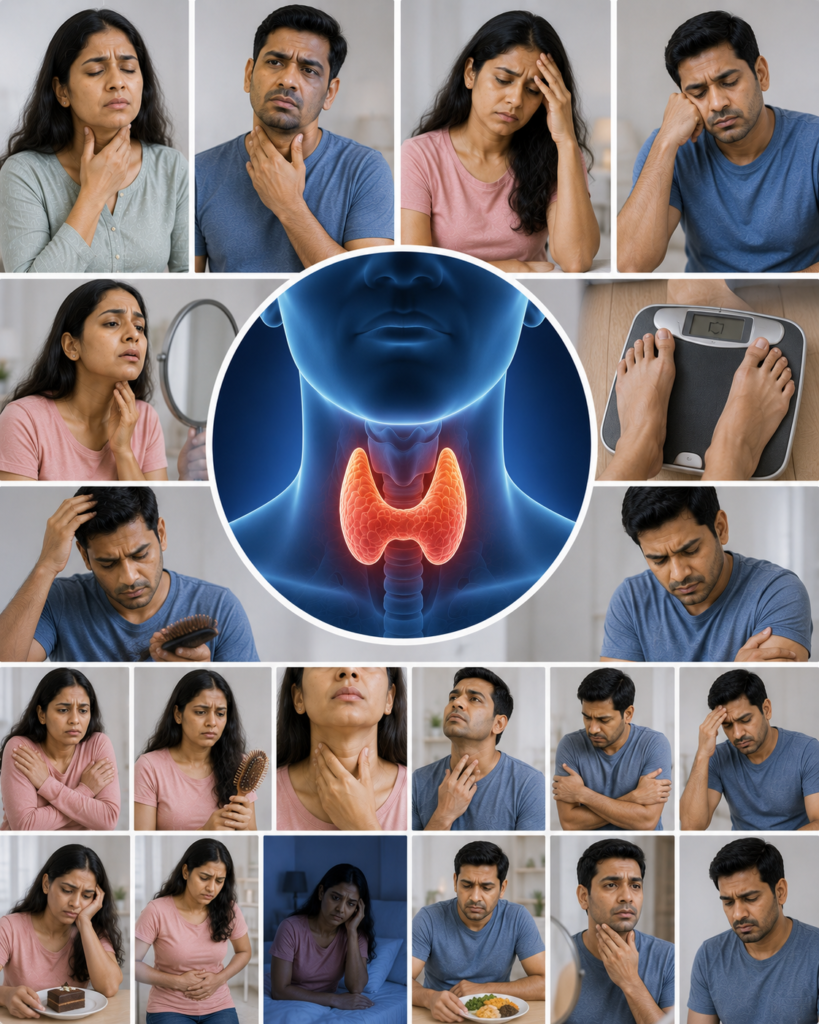
Thyroid Symptoms in Men and Women – Early Signs, Causes, Diagnosis, and Treatment
The thyroid gland plays a crucial role in regulating the body’s metabolism, energy production, heart rate, body temperature, and hormone balance. When the thyroid does not produce enough or produces too much hormone, it can affect nearly every organ in the body. Thyroid disorders are common and can affect both men and women, although women are more likely to develop thyroid-related conditions.
Recognizing the early symptoms of thyroid disorders can help ensure timely diagnosis and effective treatment. This guide explains the common signs of thyroid problems in men and women, possible causes, diagnosis, treatment options, and preventive measures.
What Is the Thyroid Gland?
The thyroid is a small, butterfly-shaped gland located at the front of the neck. It produces two important hormones:
- Thyroxine (T4)
- Triiodothyronine (T3)
These hormones regulate:
- Metabolism
- Heart rate
- Body temperature
- Digestion
- Brain function
- Muscle strength
- Growth and development
The thyroid gland is controlled by Thyroid Stimulating Hormone (TSH), which is produced by the pituitary gland.
Common Thyroid Disorders
The most common thyroid conditions include:
- Hypothyroidism (underactive thyroid)
- Hyperthyroidism (overactive thyroid)
- Thyroid nodules
- Goiter (enlarged thyroid gland)
- Thyroiditis (inflammation of the thyroid)
- Thyroid cancer
Each condition may present with different symptoms and requires proper medical evaluation.
Symptoms of Hypothyroidism (Underactive Thyroid)
Hypothyroidism develops when the thyroid gland does not produce enough thyroid hormones.
Common symptoms include:
- Constant fatigue
- Weight gain
- Increased sensitivity to cold
- Dry skin
- Hair loss
- Constipation
- Puffy face
- Slow heart rate
- Depression
- Memory problems
- Muscle weakness
- Hoarse voice
- Brittle nails
- Slow movement or speech
Symptoms usually develop gradually and may be mistaken for normal aging or stress.
Symptoms of Hyperthyroidism (Overactive Thyroid)
Hyperthyroidism occurs when the thyroid gland produces excessive thyroid hormones.
Common symptoms include:
- Unexplained weight loss
- Rapid or irregular heartbeat
- Increased appetite
- Nervousness
- Anxiety
- Irritability
- Excessive sweating
- Heat intolerance
- Tremors in the hands
- Frequent bowel movements
- Difficulty sleeping
- Muscle weakness
- Enlarged thyroid gland (goiter)
Without treatment, hyperthyroidism can lead to heart rhythm problems and other complications.
Thyroid Symptoms in Women
Women are more likely than men to experience thyroid disorders, particularly during periods of hormonal change.
Symptoms may include:
- Irregular menstrual cycles
- Heavy or light menstrual bleeding
- Difficulty becoming pregnant
- Recurrent miscarriage
- Fatigue
- Weight changes
- Hair thinning
- Mood swings
- Depression
- Reduced fertility
- Pregnancy-related thyroid problems
Proper thyroid function is important before and during pregnancy to support maternal health and fetal development.
Thyroid Symptoms in Men
Although less common, thyroid disorders can significantly affect men’s health.
Symptoms may include:
- Persistent fatigue
- Reduced muscle strength
- Weight changes
- Low libido
- Erectile dysfunction
- Depression
- Difficulty concentrating
- Hair loss
- Reduced exercise tolerance
- Decreased fertility in some cases
Because symptoms often develop gradually, many men may not recognize them as signs of a thyroid disorder.
Symptoms That Require Prompt Medical Evaluation
Seek medical attention if you experience:
- Rapid or irregular heartbeat
- Severe neck swelling
- Difficulty swallowing
- Difficulty breathing
- Persistent hoarseness
- Sudden weight changes
- Extreme fatigue
- Unexplained anxiety or tremors
- Vision changes associated with thyroid disease
Early diagnosis can help prevent complications and improve quality of life.
Causes of Thyroid Disorders
Several factors can contribute to thyroid disease, including:
- Autoimmune diseases
- Family history
- Iodine deficiency or excess
- Pregnancy and postpartum hormonal changes
- Certain medications
- Radiation therapy to the neck
- Thyroid inflammation
- Thyroid nodules
Identifying the underlying cause helps guide appropriate treatment.
Risk Factors
You may have a higher risk of thyroid disease if you:
- Have a family history of thyroid disorders
- Are female
- Are over 35 years of age
- Have another autoimmune condition
- Have diabetes
- Have previously received radiation treatment to the neck
- Are pregnant or recently delivered a baby
- Have a history of thyroid surgery
Regular medical check-ups may be beneficial for individuals with these risk factors.
How Are Thyroid Disorders Diagnosed?
Doctors may recommend several tests to evaluate thyroid function, including:
- Thyroid Stimulating Hormone (TSH) test
- Free T3 and Free T4 tests
- Thyroid antibody tests
- Thyroid ultrasound
- Fine Needle Aspiration (FNA) biopsy for suspicious thyroid nodules
- Radioactive iodine uptake scan (when indicated)
These tests help determine the type and severity of the thyroid disorder.
Treatment Options
Treatment depends on the underlying thyroid condition.
For hypothyroidism:
- Thyroid hormone replacement medication
- Regular monitoring of thyroid hormone levels
For hyperthyroidism:
- Anti-thyroid medications
- Radioactive iodine therapy (in selected cases)
- Surgery (when appropriate)
For thyroid nodules or cancer:
- Observation
- Biopsy
- Surgery
- Additional treatment based on diagnosis
Regular follow-up is important to monitor treatment effectiveness.
Tips to Maintain Thyroid Health
Healthy lifestyle habits support overall thyroid function:
- Eat a balanced diet with adequate iodine as recommended.
- Include selenium- and zinc-rich foods where appropriate.
- Exercise regularly.
- Get sufficient sleep.
- Manage stress effectively.
- Avoid smoking.
- Take thyroid medications exactly as prescribed.
- Attend regular follow-up appointments.
Always consult your healthcare provider before taking iodine or thyroid-related supplements.
When Should You See a Doctor?
Consult a healthcare professional if you notice:
- Persistent fatigue
- Unexplained weight gain or weight loss
- Hair loss
- Neck swelling
- Irregular heartbeat
- Difficulty swallowing
- Mood changes
- Menstrual irregularities
- Fertility concerns
- A family history of thyroid disease with new symptoms
Early diagnosis can help prevent long-term complications and improve treatment outcomes.
Conclusion
Thyroid disorders can affect people of all ages and may cause a wide range of symptoms, from fatigue and weight changes to mood disturbances and heart rhythm problems. Because these symptoms often develop gradually, they are frequently overlooked or attributed to other causes. Recognizing the early signs, undergoing appropriate thyroid function testing, and following medical advice can help manage thyroid disorders effectively. Regular health check-ups and timely treatment play an important role in maintaining hormonal balance and overall well-being.