
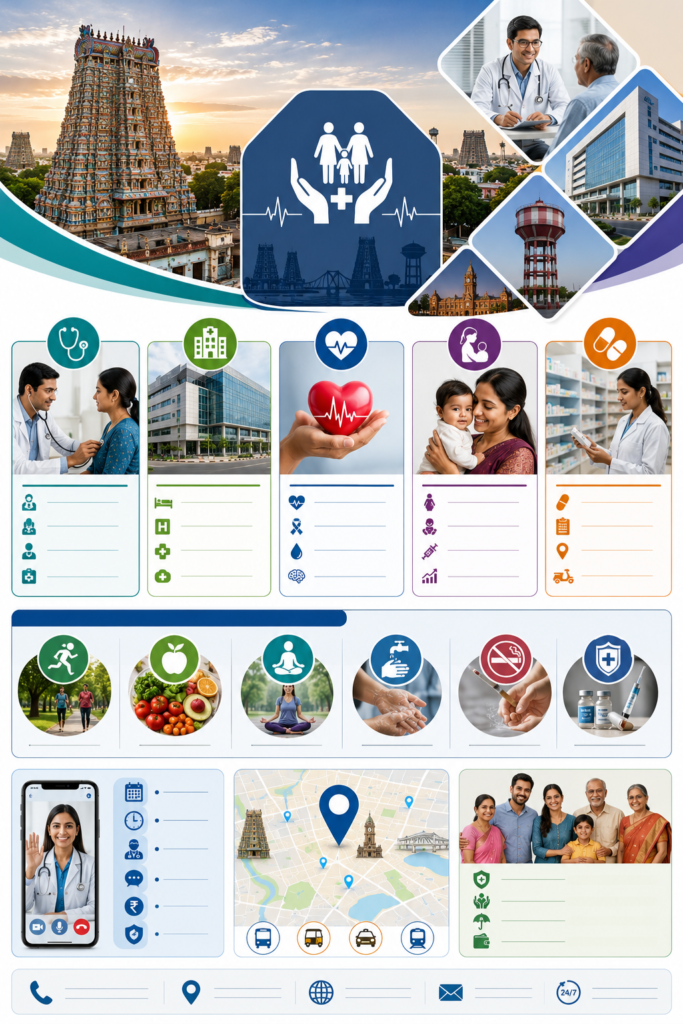
Complete Healthcare Guide for Madurai Residents
Healthcare is one of the most important aspects of a healthy and fulfilling life. Whether you need routine health checkups, specialist consultations, emergency care, diagnostic services, or preventive healthcare, understanding how to access the right medical services can make a significant difference. This comprehensive healthcare guide is designed to help Madurai residents make informed healthcare decisions while promoting healthy living and disease prevention.
Why Quality Healthcare Matters
Good healthcare is not just about treating illnesses—it also focuses on preventing diseases, promoting healthy lifestyles, and improving overall well-being.
Benefits of quality healthcare include:
- Early detection of medical conditions
- Better management of chronic diseases
- Improved quality of life
- Reduced risk of serious complications
- Faster recovery from illness or injury
- Access to specialized medical care
- Better long-term health outcomes
Regular healthcare plays a vital role in maintaining physical and mental well-being.
Importance of Preventive Healthcare
Preventive healthcare helps identify health problems before symptoms appear.
Key preventive measures include:
- Annual health checkups
- Blood pressure monitoring
- Blood sugar testing
- Cholesterol screening
- Vaccinations
- Cancer screenings
- Eye examinations
- Dental checkups
- Healthy lifestyle counseling
Early detection often leads to more effective treatment and improved health outcomes.
Common Healthcare Services
Residents may require different types of healthcare depending on age, lifestyle, and medical needs.
Common healthcare services include:
General Medicine
General physicians diagnose and manage common illnesses, infections, chronic diseases, and routine health concerns.
Specialist Consultations
Specialists provide advanced care for specific medical conditions, including:
- Cardiology
- Neurology
- Orthopedics
- Gastroenterology
- Pulmonology
- Endocrinology
- Nephrology
- Dermatology
- ENT
- Ophthalmology
- Urology
- Gynecology
- Pediatrics
Consulting the appropriate specialist ensures accurate diagnosis and effective treatment.
Diagnostic Services
Diagnostic tests help detect and monitor medical conditions.
Common investigations include:
- Blood tests
- Urine analysis
- Ultrasound
- X-rays
- CT scans
- MRI scans
- ECG
- Echocardiography
- Pulmonary function tests
- Endoscopy (when recommended)
Accurate diagnosis is the first step toward effective treatment.
Emergency Medical Care
Emergency healthcare is essential for life-threatening conditions such as:
- Chest pain
- Stroke symptoms
- Severe breathing difficulty
- Serious injuries
- Heavy bleeding
- Seizures
- Severe allergic reactions
Immediate medical attention can be lifesaving.
Essential Health Screenings by Age
Adults (18–30 Years)
Recommended screenings may include:
- Blood pressure
- Body Mass Index (BMI)
- Blood sugar (based on risk)
- Vision assessment
- Dental examination
- Lifestyle counseling
Adults (30–50 Years)
Routine evaluations may include:
- Diabetes screening
- Lipid profile
- Liver function tests
- Kidney function tests
- Thyroid screening (if indicated)
- Heart health assessment
Adults Above 50 Years
Additional screenings may include:
- Bone health assessment
- Cancer screening
- Eye examinations
- Hearing evaluation
- Heart disease risk assessment
- Memory and cognitive evaluation
Your healthcare provider can recommend a personalized screening schedule.
Managing Common Lifestyle Diseases
Lifestyle-related illnesses are increasingly common and require regular monitoring.
These include:
- Diabetes
- High blood pressure
- Heart disease
- High cholesterol
- Obesity
- Fatty liver disease
- Thyroid disorders
Healthy lifestyle habits combined with medical care help improve long-term outcomes.
Healthy Lifestyle Tips
Maintaining good health starts with daily habits.
Eat a Balanced Diet
Choose:
- Fresh fruits
- Green vegetables
- Whole grains
- Lean protein
- Healthy fats
- Plenty of water
Limit:
- Fried foods
- Sugary beverages
- Processed foods
- Excess salt
- Foods high in saturated fat
Stay Physically Active
Aim for at least 150 minutes of moderate exercise each week.
Good options include:
- Walking
- Cycling
- Swimming
- Yoga
- Strength training
Regular exercise supports heart health, weight management, and mental well-being.
Prioritize Mental Health
Mental health is equally important as physical health.
Support emotional well-being by:
- Getting enough sleep
- Managing stress
- Practicing relaxation techniques
- Staying socially connected
- Seeking professional help when needed
Avoid Harmful Habits
Reduce health risks by:
- Avoiding tobacco products
- Limiting alcohol consumption
- Avoiding self-medication
- Using medications only as prescribed
Importance of Vaccination
Vaccinations help prevent several infectious diseases throughout life.
Recommended vaccines vary depending on:
- Age
- Occupation
- Existing medical conditions
- Pregnancy
- Travel plans
Consult your healthcare provider for age-appropriate vaccination recommendations.
Preparing for Medical Appointments
To make your consultation more effective:
- Carry previous medical reports
- Bring a list of medications
- Write down your symptoms
- Prepare questions for your doctor
- Share your family medical history
- Mention allergies or chronic illnesses
Good preparation helps improve communication and treatment planning.
Warning Signs That Need Immediate Medical Attention
Seek emergency medical care if you experience:
- Severe chest pain
- Difficulty breathing
- Sudden weakness or numbness
- Loss of consciousness
- Persistent high fever
- Severe abdominal pain
- Heavy bleeding
- Sudden vision or speech problems
- Seizures
- Severe allergic reactions
Prompt treatment can prevent serious complications.
Importance of Regular Follow-Up
Patients with chronic medical conditions should attend scheduled follow-up visits to:
- Monitor disease progression
- Review medications
- Assess treatment effectiveness
- Detect complications early
- Update preventive care plans
Regular follow-up contributes to better long-term health.
Frequently Asked Questions
How often should adults have a health checkup?
Most adults benefit from an annual health checkup. People with chronic conditions may require more frequent evaluations based on medical advice.
What should I bring to a medical appointment?
Carry previous medical records, laboratory reports, imaging studies, a list of medications, identification, and any relevant insurance information if applicable.
Why is preventive healthcare important?
Preventive care helps detect diseases early, lowers the risk of complications, and supports long-term health through routine screenings and healthy lifestyle practices.
When should I seek emergency medical care?
Seek immediate medical attention for severe chest pain, breathing difficulty, stroke symptoms, major injuries, heavy bleeding, severe allergic reactions, or loss of consciousness.
Conclusion
Good healthcare is built on prevention, early diagnosis, timely treatment, and healthy daily habits. By attending regular health checkups, following preventive screening recommendations, maintaining a balanced lifestyle, and seeking medical advice when needed, residents can improve their overall well-being and reduce the risk of serious illnesses.
Making healthcare a priority today helps build a healthier future for individuals and families alike.