
Here’s an SEO-friendly blog for MaduraiDoctors. It is informative, original, search-engine optimized, and contains no maps, rankings, or promotional content.
Kidney Disease Early Symptoms – Warning Signs You Should Never Ignore
Kidney disease is a common health condition that can develop gradually over many years without causing obvious symptoms. The kidneys play a vital role in filtering waste products, balancing fluids, regulating blood pressure, producing hormones, and maintaining healthy electrolyte levels. When the kidneys become damaged, these essential functions are affected, increasing the risk of serious health complications.
Recognizing the early symptoms of kidney disease and seeking timely medical evaluation can help slow disease progression and improve long-term health outcomes.
What Is Kidney Disease?
Kidney disease occurs when the kidneys lose their ability to filter blood effectively. Waste products and excess fluids begin to build up in the body, affecting multiple organs.
Kidney disease may be:
- Acute Kidney Injury (AKI), which develops suddenly.
- Chronic Kidney Disease (CKD), which develops gradually over months or years.
Chronic kidney disease is often linked to conditions such as diabetes and high blood pressure and may remain unnoticed until significant kidney damage has occurred.
Why Early Detection Is Important
In the early stages, kidney disease may cause few or no symptoms. Regular health screenings are especially important for people with diabetes, hypertension, heart disease, or a family history of kidney problems.
Early diagnosis allows healthcare providers to manage underlying conditions, recommend lifestyle changes, and prescribe treatments that may help slow the progression of kidney disease.
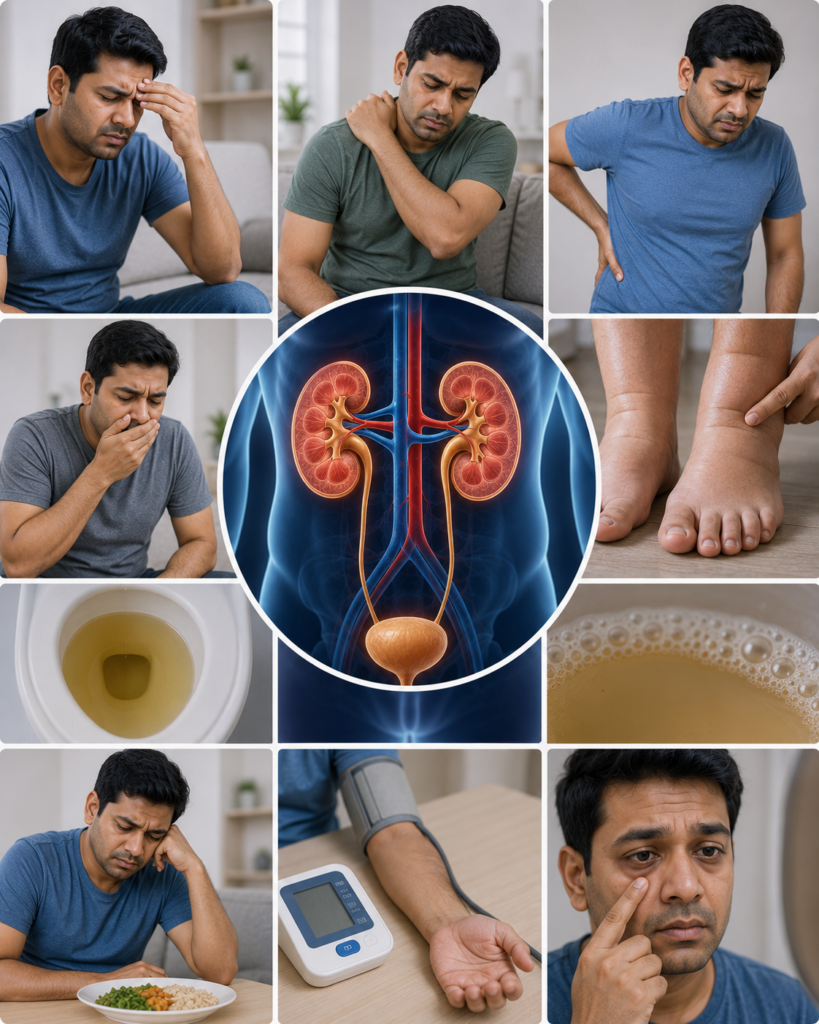
Early Symptoms of Kidney Disease
1. Persistent Fatigue
Healthy kidneys help produce a hormone called erythropoietin, which supports red blood cell production. Reduced kidney function may lead to anemia, causing:
- Constant tiredness
- Weakness
- Reduced energy levels
- Difficulty concentrating
2. Swelling of the Feet, Ankles, or Face
Damaged kidneys may not remove excess fluid effectively, resulting in swelling (edema), especially in:
- Feet
- Ankles
- Legs
- Hands
- Around the eyes
Persistent swelling should be medically evaluated.
3. Changes in Urination
Changes in urination are among the earliest signs of kidney disease.
These may include:
- Frequent urination, particularly at night
- Reduced urine output
- Foamy or frothy urine
- Blood in the urine
- Dark-colored urine
- Pain or discomfort during urination
Any persistent change in urinary habits warrants medical attention.
4. High Blood Pressure
The kidneys help regulate blood pressure. Kidney disease can contribute to hypertension, and uncontrolled high blood pressure can further damage the kidneys, creating a harmful cycle.
5. Loss of Appetite
As waste products accumulate in the bloodstream, many people experience:
- Reduced appetite
- Early fullness
- Nausea
- Unintentional weight loss
6. Persistent Nausea or Vomiting
Advanced waste buildup in the body may lead to:
- Morning nausea
- Vomiting
- Metallic taste in the mouth
- Bad breath
These symptoms should not be ignored, particularly if accompanied by other signs of kidney disease.
7. Muscle Cramps
Kidney disease can disturb electrolyte balance, leading to muscle cramps, particularly in the legs.
8. Dry and Itchy Skin
Healthy kidneys help maintain mineral balance. Chronic kidney disease may cause:
- Persistent itching
- Dry skin
- Skin irritation
These symptoms can become more noticeable as kidney function declines.
9. Difficulty Sleeping
People with kidney disease may experience poor sleep due to:
- Restless legs
- Muscle cramps
- Frequent nighttime urination
- Itching
- Sleep apnea
10. Shortness of Breath
Fluid buildup in the lungs or anemia caused by kidney disease may lead to breathlessness, even during mild physical activity.
Risk Factors for Kidney Disease
Several conditions increase the likelihood of developing kidney disease, including:
- Diabetes
- High blood pressure
- Heart disease
- Obesity
- Family history of kidney disease
- Smoking
- High cholesterol
- Older age
- Long-term use of certain pain-relieving medications
- Recurrent kidney infections
People with these risk factors should undergo regular kidney function assessments.
How Is Kidney Disease Diagnosed?
Doctors may recommend several investigations to evaluate kidney health, including:
- Blood tests (including serum creatinine and estimated glomerular filtration rate (eGFR))
- Urine routine examination
- Urine albumin or protein test
- Blood pressure measurement
- Blood sugar testing
- Kidney ultrasound
- Electrolyte testing
- Kidney biopsy (in selected cases)
These tests help determine the cause and severity of kidney disease.
Possible Complications
Without proper treatment, kidney disease may lead to:
- Kidney failure
- Heart disease
- Stroke
- High blood pressure
- Anemia
- Bone disease
- Electrolyte imbalance
- Fluid overload
- Increased risk of infections
Early treatment can help reduce these complications.
How to Protect Your Kidneys
Healthy habits play an important role in maintaining kidney function.
Consider the following steps:
- Keep blood sugar under control.
- Manage high blood pressure.
- Stay physically active.
- Maintain a healthy weight.
- Eat a balanced diet with moderate salt intake.
- Drink adequate water unless otherwise advised by your doctor.
- Avoid smoking and tobacco products.
- Limit alcohol consumption.
- Avoid unnecessary use of pain-relieving medications without medical guidance.
- Attend regular health check-ups if you have diabetes or hypertension.
When Should You See a Doctor?
Consult a healthcare professional if you notice:
- Swelling of the legs or face
- Persistent fatigue
- Blood in the urine
- Foamy urine
- Changes in urination
- High blood pressure that is difficult to control
- Persistent nausea
- Shortness of breath
- A family history of kidney disease
- Diabetes or hypertension with new urinary symptoms
Prompt evaluation allows early diagnosis and timely management.
Can Kidney Disease Be Prevented?
While not all kidney diseases are preventable, many cases of chronic kidney disease can be delayed or avoided by:
- Controlling diabetes and hypertension
- Eating a kidney-friendly diet
- Exercising regularly
- Staying hydrated
- Avoiding tobacco use
- Managing cholesterol levels
- Monitoring kidney function through regular health screenings
Early intervention remains the most effective strategy for preserving kidney health.
Conclusion
Kidney disease often develops silently, with symptoms appearing only after significant damage has occurred. Early warning signs such as swelling, fatigue, changes in urination, high blood pressure, nausea, and persistent itching should never be ignored. Regular health check-ups, especially for individuals with diabetes, hypertension, or a family history of kidney disease, can help detect problems early and support timely treatment. Protecting your kidneys through a healthy lifestyle and routine medical care is essential for maintaining overall health and preventing long-term complications.