
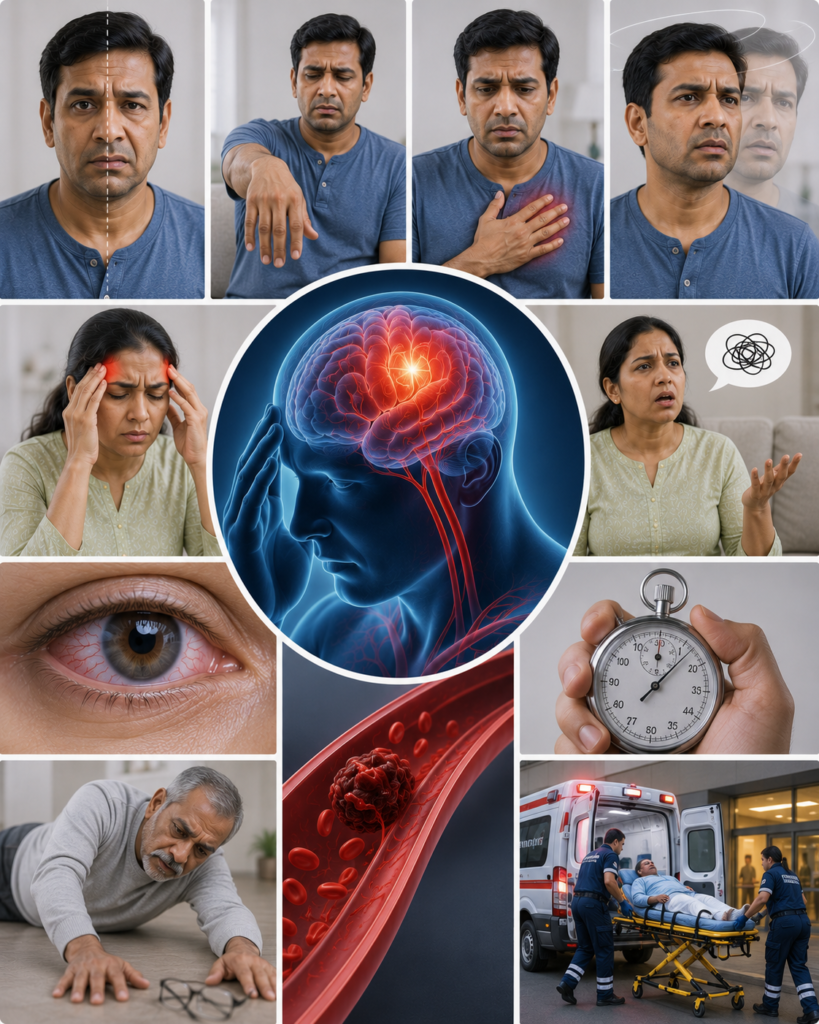
Stroke Warning Signs Everyone Should Know – Early Symptoms, Risk Factors, and Emergency Response
A stroke is a medical emergency that occurs when the blood supply to part of the brain is interrupted or when a blood vessel in the brain bursts. Without oxygen and nutrients, brain cells begin to die within minutes. Recognizing the warning signs of a stroke and seeking immediate medical care can significantly improve recovery and reduce the risk of permanent disability.
Understanding the early symptoms, risk factors, and emergency response steps can help save lives and improve outcomes for stroke patients.
What Is a Stroke?
A stroke occurs when blood flow to the brain is disrupted, preventing brain cells from receiving the oxygen they need to function.
There are three main types of stroke:
- Ischemic Stroke: Caused by a blockage in a blood vessel supplying the brain. This is the most common type.
- Hemorrhagic Stroke: Occurs when a blood vessel in the brain ruptures and causes bleeding.
- Transient Ischemic Attack (TIA): Often called a “mini-stroke,” it is a temporary blockage of blood flow to the brain. Although symptoms resolve quickly, a TIA is a serious warning sign that requires urgent medical evaluation.
Why Early Recognition Is Important
Every minute counts during a stroke. Prompt medical treatment can reduce brain damage, improve the chances of recovery, and lower the risk of long-term disability. Delaying treatment may result in permanent loss of speech, movement, memory, or even death.
The FAST Method to Recognize a Stroke
One of the easiest ways to identify a possible stroke is by remembering FAST:
F – Face Drooping
Ask the person to smile.
Warning sign:
- One side of the face droops.
- Uneven smile.
- Numbness on one side of the face.
A – Arm Weakness
Ask the person to raise both arms.
Warning sign:
- One arm drifts downward.
- Weakness or numbness in one arm.
- Difficulty lifting an arm.
S – Speech Difficulty
Ask the person to repeat a simple sentence.
Warning sign:
- Slurred speech.
- Difficulty speaking.
- Trouble understanding words.
- Confused speech.
T – Time to Call Emergency Medical Services
If you notice any of these symptoms, seek emergency medical care immediately. Quick treatment can make a significant difference in recovery.
Other Warning Signs of Stroke
In addition to the FAST symptoms, watch for:
Sudden Numbness
Unexpected numbness or weakness affecting:
- Face
- Arm
- Leg
Usually, symptoms occur on one side of the body.
Sudden Confusion
A person may suddenly have:
- Difficulty understanding conversations
- Trouble speaking
- Memory problems
- Disorientation
Vision Problems
Stroke may cause:
- Blurred vision
- Double vision
- Partial loss of vision
- Complete vision loss in one eye
Severe Headache
A sudden, severe headache without an obvious cause may indicate a hemorrhagic stroke, especially if accompanied by vomiting or altered consciousness.
Difficulty Walking
Warning signs include:
- Loss of balance
- Poor coordination
- Sudden dizziness
- Trouble walking
Difficulty Swallowing
Some strokes affect the muscles involved in swallowing, increasing the risk of choking.
Stroke Risk Factors
Several medical and lifestyle factors increase the likelihood of having a stroke.
Medical Risk Factors
- High blood pressure
- Diabetes
- High cholesterol
- Heart disease
- Irregular heartbeat (atrial fibrillation)
- Previous stroke or TIA
- Kidney disease
Lifestyle Risk Factors
- Smoking
- Physical inactivity
- Obesity
- Excessive alcohol consumption
- Unhealthy diet
- Chronic stress
- Poor sleep habits
Non-Modifiable Risk Factors
- Increasing age
- Family history of stroke
- Male sex (slightly higher risk at younger ages)
- Certain inherited medical conditions
What Should You Do During a Stroke?
If you suspect someone is having a stroke:
- Call emergency medical services immediately.
- Note the time when symptoms first started.
- Keep the person calm and comfortable.
- Do not give food, water, or medication unless instructed by medical professionals.
- If the person becomes unconscious and is not breathing normally, begin CPR if you are trained and instructed to do so.
Never wait to see if symptoms improve on their own.
How Is a Stroke Diagnosed?
Doctors may use several tests to confirm a stroke and determine its cause, including:
- Physical and neurological examination
- Blood pressure measurement
- Blood tests
- CT Scan of the brain
- MRI Scan
- Electrocardiogram (ECG)
- Carotid ultrasound
- CT or MR angiography
- Echocardiogram
Accurate diagnosis helps determine the most appropriate treatment.
Stroke Treatment
Treatment depends on the type of stroke.
For ischemic stroke, doctors may use:
- Clot-dissolving medications (if given within the recommended treatment window)
- Mechanical clot removal (thrombectomy) in selected patients
- Blood-thinning medications when appropriate
For hemorrhagic stroke, treatment may include:
- Blood pressure control
- Medications to reduce bleeding-related complications
- Surgical procedures in selected cases
Early treatment offers the best chance of recovery.
Can Stroke Be Prevented?
Many strokes can be prevented by managing risk factors.
Healthy habits include:
- Keep blood pressure under control.
- Manage diabetes effectively.
- Maintain healthy cholesterol levels.
- Exercise regularly.
- Eat a balanced diet rich in fruits, vegetables, whole grains, and lean proteins.
- Maintain a healthy weight.
- Stop smoking.
- Limit alcohol intake.
- Take prescribed medications consistently.
- Attend regular health check-ups.
Recovery After Stroke
Stroke rehabilitation often involves a team of healthcare professionals and may include:
- Physiotherapy
- Occupational therapy
- Speech and language therapy
- Nutritional support
- Psychological counselling
- Regular follow-up with healthcare providers
Recovery varies depending on the severity of the stroke and how quickly treatment was started.
When Should You Seek Medical Care?
Seek emergency medical attention immediately if you or someone nearby experiences:
- Facial drooping
- Arm weakness
- Speech difficulty
- Sudden vision changes
- Severe headache
- Loss of balance
- Sudden confusion
- Numbness on one side of the body
Even if symptoms disappear within a few minutes, urgent evaluation is necessary because it could be a transient ischemic attack (TIA), which increases the risk of a future stroke.
Conclusion
A stroke is a life-threatening medical emergency where every minute matters. Knowing the warning signs—especially the FAST symptoms—can help you act quickly and potentially save a life. Managing risk factors such as high blood pressure, diabetes, high cholesterol, smoking, and obesity can significantly reduce the risk of stroke. Regular medical check-ups, a healthy lifestyle, and immediate medical attention when symptoms appear are essential for protecting brain health and improving recovery outcomes.