
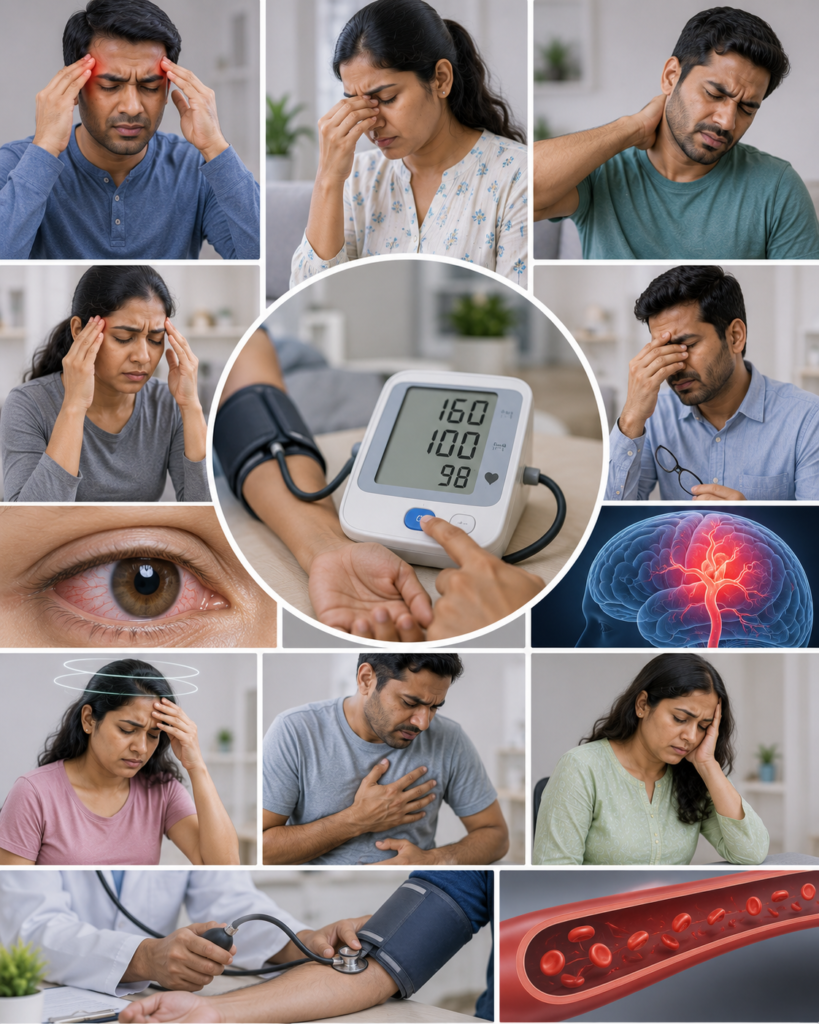
High Blood Pressure Symptoms Explained – Warning Signs, Causes, and When to Seek Medical Care
High blood pressure, also known as hypertension, is one of the most common health conditions worldwide. It is often called the “silent killer” because many people have no noticeable symptoms, even when their blood pressure reaches dangerously high levels. If left untreated, hypertension can damage the heart, brain, kidneys, and blood vessels, increasing the risk of heart attack, stroke, kidney disease, and vision problems.
Understanding the symptoms, risk factors, and importance of regular blood pressure monitoring can help detect hypertension early and prevent serious complications.
What Is High Blood Pressure?
Blood pressure measures the force of blood pushing against the walls of your arteries as the heart pumps. A healthy blood pressure level helps ensure that oxygen and nutrients are delivered efficiently throughout the body.
When blood pressure remains consistently higher than normal, it places extra strain on the heart and blood vessels, increasing the risk of long-term health problems.
Why Is High Blood Pressure Called the Silent Killer?
Most people with high blood pressure experience no symptoms during the early stages. Many individuals discover they have hypertension only during a routine health check-up or after developing complications such as heart disease or stroke.
This is why regular blood pressure screening is important, especially for adults over the age of 30 or those with known risk factors.
Common Symptoms of High Blood Pressure
Although hypertension often has no symptoms, some people may experience warning signs, particularly when blood pressure becomes very high.
1. Frequent Headaches
Persistent or severe headaches, especially in the morning, may occur in some individuals with significantly elevated blood pressure. However, headaches alone do not always indicate hypertension and should be evaluated along with blood pressure measurements.
2. Dizziness
Feeling lightheaded or dizzy can occur for various reasons, including changes in blood pressure. Recurrent dizziness should be assessed by a healthcare professional.
3. Blurred Vision
High blood pressure can affect the blood vessels in the eyes, causing blurred vision or other visual disturbances. Long-term uncontrolled hypertension may lead to hypertensive retinopathy.
4. Shortness of Breath
Difficulty breathing during routine activities or while resting may indicate that high blood pressure has affected the heart or lungs.
5. Chest Pain
Chest pain or discomfort should never be ignored. It may indicate a heart-related condition that requires immediate medical evaluation.
6. Nosebleeds
Frequent nosebleeds are not a common symptom of mild hypertension, but they may occur in people with severely elevated blood pressure and should be evaluated promptly.
7. Fatigue
Persistent tiredness or weakness may develop if high blood pressure begins to affect the heart or other organs.
8. Irregular Heartbeat
Some people may notice palpitations, a racing heartbeat, or an irregular pulse, particularly if hypertension has contributed to heart rhythm abnormalities.
9. Blood in the Urine
Blood in the urine is uncommon but may occur when hypertension causes damage to the kidneys. This symptom requires immediate medical attention.
10. Difficulty Concentrating
Poor concentration, confusion, or memory problems may occur if blood pressure becomes dangerously high or has caused complications affecting the brain.
Symptoms of a Hypertensive Emergency
A hypertensive emergency is a medical condition in which blood pressure becomes extremely high and begins damaging vital organs.
Seek emergency medical care immediately if you experience:
- Severe chest pain
- Sudden difficulty breathing
- Severe headache with confusion
- Blurred or loss of vision
- Weakness or numbness on one side of the body
- Difficulty speaking
- Loss of consciousness
- Persistent vomiting
- Seizures
Prompt treatment can prevent life-threatening complications.
Causes of High Blood Pressure
Several factors contribute to hypertension, including:
- Family history
- Increasing age
- Excess body weight
- High salt intake
- Physical inactivity
- Smoking
- Excessive alcohol consumption
- Chronic stress
- Diabetes
- Kidney disease
- Sleep apnea
In many people, hypertension develops gradually due to a combination of lifestyle and genetic factors.
Risk Factors
You may have a higher risk of developing high blood pressure if you:
- Are over 30 years of age
- Have a family history of hypertension
- Have diabetes
- Have high cholesterol
- Are overweight or obese
- Eat a diet high in salt and processed foods
- Exercise infrequently
- Smoke or use tobacco products
- Consume excessive alcohol
- Experience long-term stress
How Is High Blood Pressure Diagnosed?
Hypertension is diagnosed by measuring blood pressure using a validated blood pressure monitor. Your doctor may recommend repeated measurements on different days to confirm the diagnosis.
Additional tests may include:
- Blood tests
- Urine examination
- Electrocardiogram (ECG)
- Echocardiogram
- Kidney function tests
- Cholesterol profile
- Eye examination
These investigations help determine whether high blood pressure has affected other organs.
Possible Complications
Untreated hypertension can lead to serious health problems, including:
- Heart attack
- Stroke
- Heart failure
- Kidney disease
- Vision loss
- Peripheral artery disease
- Aneurysm
- Cognitive decline
Regular monitoring and treatment greatly reduce these risks.
Tips to Control High Blood Pressure
Healthy lifestyle changes play a key role in preventing and managing hypertension.
Consider the following habits:
- Eat a balanced diet rich in fruits, vegetables, whole grains, and lean proteins.
- Reduce salt intake.
- Exercise regularly.
- Maintain a healthy body weight.
- Avoid smoking and tobacco use.
- Limit alcohol consumption.
- Manage stress through relaxation techniques.
- Sleep adequately.
- Take prescribed medications as directed by your doctor.
- Monitor your blood pressure regularly.
When Should You See a Doctor?
Schedule a medical evaluation if you:
- Have repeated high blood pressure readings
- Experience headaches, dizziness, or blurred vision
- Notice chest discomfort or shortness of breath
- Have diabetes or kidney disease
- Have a family history of hypertension
- Are over 30 years of age and have never had your blood pressure checked
- Have persistent symptoms that concern you
Early diagnosis and treatment can help prevent long-term complications.
Conclusion
High blood pressure often develops without noticeable symptoms, making regular screening essential for early detection. While some individuals may experience headaches, dizziness, blurred vision, or chest discomfort, many remain symptom-free until serious complications occur. Maintaining a healthy lifestyle, attending routine medical check-ups, and following your healthcare provider’s advice are the most effective ways to manage blood pressure and protect your heart, brain, kidneys, and overall health.