
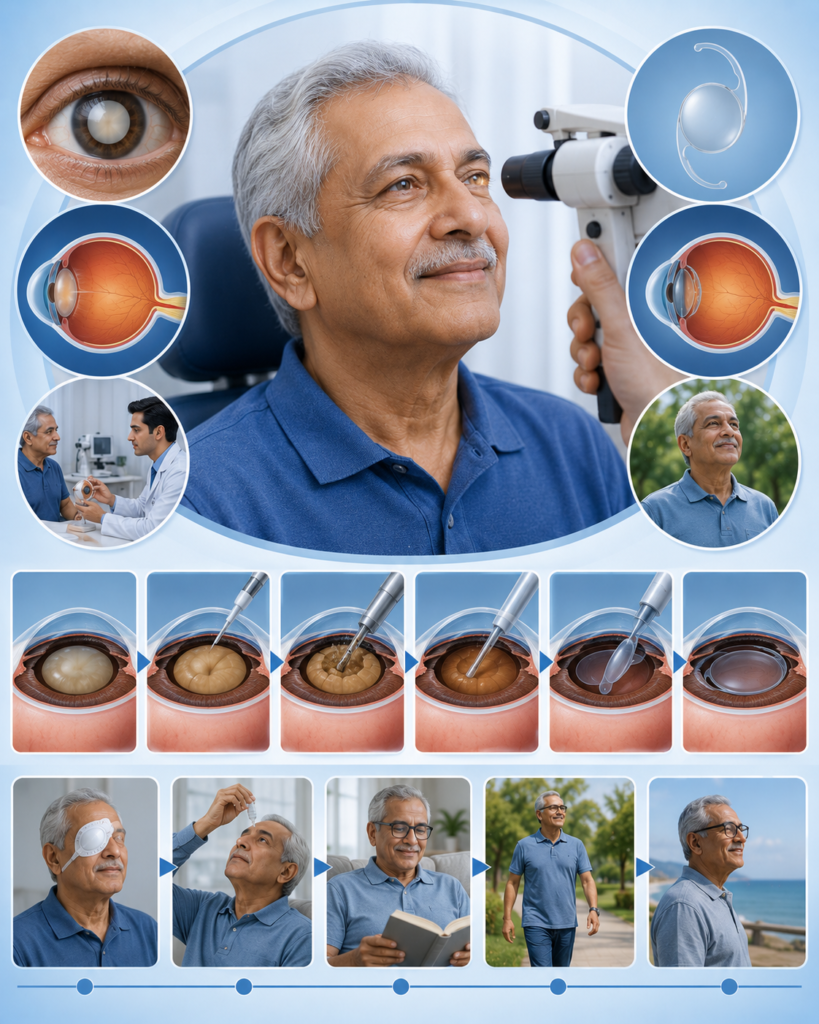
Cataract Surgery Guide: Everything You Need to Know About Cataract Treatment
Cataracts are one of the most common causes of vision impairment, particularly among older adults. Fortunately, cataract surgery is a safe and effective procedure that can significantly improve vision and quality of life. Understanding cataracts, their symptoms, treatment options, and the surgical process can help patients make informed healthcare decisions. This comprehensive guide by MaduraiDoctors provides essential information about cataract surgery and eye care.
What Is a Cataract?
A cataract occurs when the natural lens of the eye becomes cloudy, preventing light from passing clearly through the eye. This clouding gradually affects vision and can interfere with daily activities such as reading, driving, and recognizing faces.
Cataracts usually develop slowly and may affect one or both eyes.
What Causes Cataracts?
Several factors can contribute to cataract formation.
Aging
Age-related changes are the most common cause of cataracts. The risk increases significantly after the age of 60.
Medical Conditions
Certain health conditions may increase the risk, including:
- Diabetes
- High blood pressure
- Chronic eye diseases
- Metabolic disorders
Eye Injuries
Previous trauma or injury to the eye can contribute to cataract development.
Long-Term Medication Use
Extended use of certain medications, particularly corticosteroids, may increase the risk.
Lifestyle Factors
Some lifestyle habits can contribute to cataract formation, such as:
- Smoking
- Excessive alcohol consumption
- Poor nutrition
- Prolonged exposure to ultraviolet radiation
Family History
Genetic factors may also play a role in the development of cataracts.
Common Symptoms of Cataracts
Cataracts often develop gradually, and symptoms may worsen over time.
Common symptoms include:
- Blurred or cloudy vision
- Difficulty seeing at night
- Increased sensitivity to light
- Glare from headlights or bright lights
- Faded or yellowed colors
- Frequent changes in eyeglass prescription
- Double vision in one eye
- Difficulty reading or performing daily tasks
If these symptoms interfere with daily activities, medical evaluation is recommended.
Types of Cataracts
Nuclear Cataracts
These develop in the center of the lens and are commonly associated with aging.
Cortical Cataracts
These begin at the outer edges of the lens and gradually progress inward.
Posterior Subcapsular Cataracts
These develop at the back of the lens and may progress more rapidly than other types.
Congenital Cataracts
Some individuals are born with cataracts or develop them during childhood.
How Are Cataracts Diagnosed?
An eye specialist performs a comprehensive eye examination to diagnose cataracts.
Diagnostic evaluations may include:
Visual Acuity Test
Measures how clearly a person can see at different distances.
Slit-Lamp Examination
Provides a detailed view of the structures of the eye, including the lens.
Retinal Examination
Allows examination of the retina and other internal eye structures.
Eye Pressure Measurement
Helps assess overall eye health.
What Is Cataract Surgery?
Cataract surgery is a procedure that removes the cloudy natural lens and replaces it with a clear artificial intraocular lens (IOL). It is one of the most commonly performed and successful surgical procedures worldwide.
The surgery is typically performed on an outpatient basis, meaning patients can usually return home the same day.
When Is Cataract Surgery Needed?
Cataract surgery may be recommended when cataracts begin to interfere with daily activities, such as:
- Reading
- Driving
- Watching television
- Working
- Recognizing faces
- Performing routine tasks
The decision for surgery is based on the impact of symptoms on quality of life rather than the size of the cataract alone.
Types of Cataract Surgery
Phacoemulsification Surgery
This is the most commonly performed cataract procedure.
During the procedure:
- A small incision is made in the eye.
- Ultrasound technology breaks the cloudy lens into small fragments.
- The fragments are removed.
- An artificial lens is implanted.
Extracapsular Cataract Surgery
This method may be used for certain advanced cataracts and involves removing the lens through a larger incision.
Intraocular Lens (IOL) Options
Several types of artificial lenses are available.
Monofocal Lenses
These provide clear vision at one distance, usually for far vision.
Multifocal Lenses
These lenses can help improve both near and distance vision.
Toric Lenses
These are designed to correct astigmatism.
The most appropriate lens depends on individual needs and eye conditions.
Preparing for Cataract Surgery
Before surgery, patients may undergo:
- Comprehensive eye examination
- Eye measurements
- Medical evaluation
- Review of medications
- Preoperative instructions
Patients should follow all instructions provided by their healthcare team.
What Happens During Cataract Surgery?
The procedure generally involves:
- Administration of local anesthesia.
- Creation of a small incision.
- Removal of the cloudy lens.
- Placement of an artificial lens.
- Completion of the procedure without major discomfort.
Most surgeries are completed within a short period.
Recovery After Cataract Surgery
Recovery is generally smooth for most patients.
Common postoperative recommendations include:
- Using prescribed eye drops
- Avoiding rubbing the eyes
- Protecting the eye from injury
- Avoiding heavy lifting temporarily
- Attending follow-up appointments
Many patients notice improved vision within days, although complete healing may take several weeks.
Possible Risks and Complications
Cataract surgery is generally very safe, but as with any surgical procedure, complications can occasionally occur.
Potential risks include:
- Infection
- Inflammation
- Swelling
- Bleeding
- Increased eye pressure
- Retinal problems
- Temporary visual disturbances
Prompt medical attention can help manage most complications effectively.
Benefits of Cataract Surgery
Successful cataract surgery can provide several benefits, including:
- Improved vision clarity
- Better night vision
- Enhanced color perception
- Greater independence
- Improved quality of life
- Reduced dependence on corrective lenses in some cases
Can Cataracts Be Prevented?
Although age-related cataracts cannot always be prevented, healthy lifestyle choices may reduce the risk.
Helpful preventive measures include:
- Wearing sunglasses that protect against ultraviolet rays
- Avoiding smoking
- Maintaining a balanced diet
- Managing chronic medical conditions
- Undergoing regular eye examinations
- Maintaining overall health
When Should You Consult an Eye Specialist?
Seek medical evaluation if you experience:
- Blurred or cloudy vision
- Difficulty driving at night
- Increased sensitivity to light
- Frequent prescription changes
- Vision problems affecting daily activities
- Sudden changes in vision
Early diagnosis and treatment can help preserve vision and improve long-term outcomes.
Conclusion
Cataracts are a common and treatable cause of vision impairment. Modern cataract surgery is a highly effective procedure that can restore vision and significantly improve quality of life. Understanding the symptoms, treatment options, and recovery process helps patients make informed decisions about their eye health.
This comprehensive MaduraiDoctors cataract surgery guide highlights the importance of regular eye examinations, early diagnosis, and timely treatment. If you experience symptoms of cataracts or other vision problems, consult a qualified eye care professional for proper evaluation and personalized treatment recommendations.