
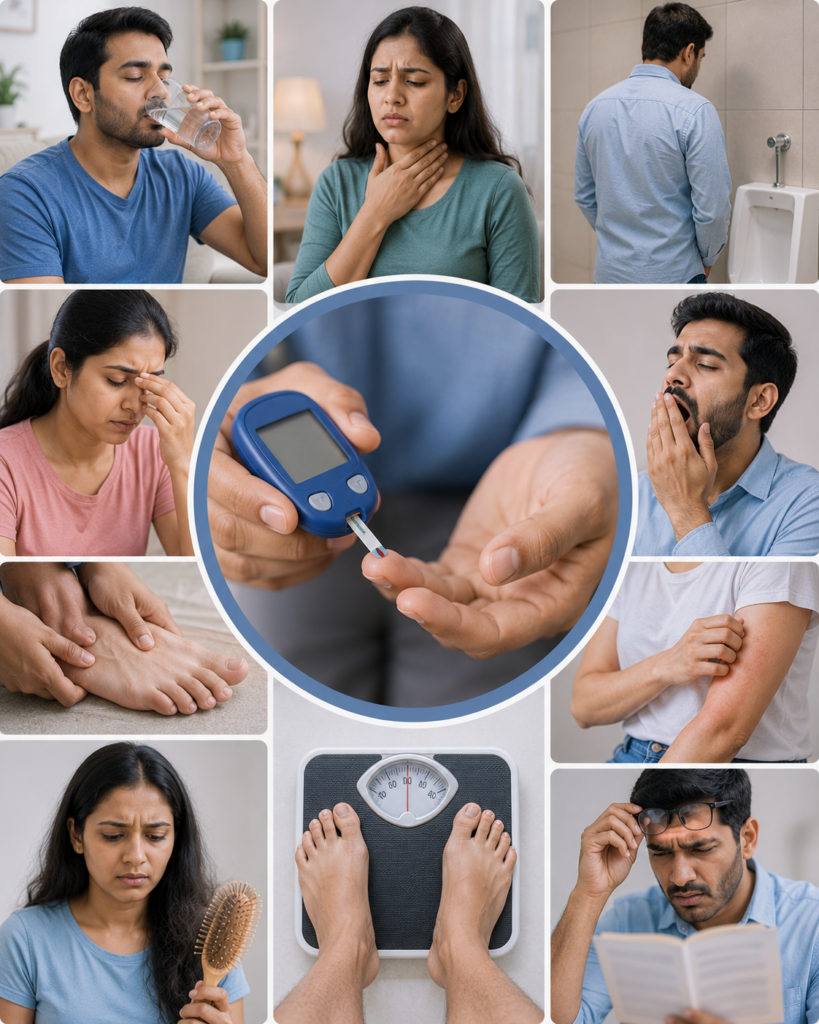
Symptoms of Diabetes You Should Never Ignore – Early Warning Signs Everyone Should Know
Diabetes is one of the most common chronic health conditions affecting millions of people worldwide. It occurs when the body cannot produce enough insulin or cannot effectively use the insulin it produces, leading to high blood sugar levels. If left untreated, diabetes can damage the heart, kidneys, eyes, nerves, and blood vessels.
Recognizing the early symptoms of diabetes is essential for timely diagnosis and treatment. Many people ignore the warning signs until complications develop. This guide explains the common symptoms of diabetes, risk factors, diagnosis, prevention, and when to seek medical care.
What Is Diabetes?
Diabetes mellitus is a condition in which blood glucose (blood sugar) levels remain higher than normal. Glucose is the body’s primary source of energy, and insulin—a hormone produced by the pancreas—helps move glucose from the bloodstream into the body’s cells.
There are three main types of diabetes:
- Type 1 Diabetes
- Type 2 Diabetes
- Gestational Diabetes (during pregnancy)
Type 2 diabetes is the most common form and often develops gradually over time.
Early Symptoms of Diabetes
Many symptoms appear slowly, especially in people with Type 2 diabetes. Recognizing these early warning signs can help prevent serious complications.
1. Frequent Urination
One of the earliest signs of diabetes is passing urine more often than usual, particularly during the night. High blood sugar causes the kidneys to work harder to remove excess glucose from the body.
2. Excessive Thirst
Frequent urination leads to fluid loss, making you feel unusually thirsty even after drinking water.
3. Increased Hunger
Despite eating regular meals, people with diabetes may continue to feel hungry because glucose cannot enter the body’s cells efficiently.
4. Unexplained Weight Loss
Sudden weight loss without changes in diet or exercise may occur, particularly in people with Type 1 diabetes, but it can also happen in some cases of Type 2 diabetes.
5. Constant Fatigue
When the body’s cells cannot use glucose effectively for energy, tiredness and weakness become common symptoms.
6. Blurred Vision
High blood sugar can temporarily affect the lenses of the eyes, causing blurry or fluctuating vision. Persistent high blood sugar also increases the risk of diabetic eye disease over time.
7. Slow-Healing Wounds
Cuts, bruises, or wounds that take longer than usual to heal may indicate poor blood circulation and impaired immune function associated with diabetes.
8. Frequent Infections
People with diabetes may experience repeated infections, including:
- Skin infections
- Urinary tract infections (UTIs)
- Gum infections
- Fungal infections
High blood sugar can reduce the body’s ability to fight infections effectively.
9. Tingling or Numbness
Persistent tingling, burning, or numbness in the hands or feet may be an early sign of diabetic nerve damage (diabetic neuropathy).
10. Dark Patches of Skin
Dark, velvety patches on the neck, underarms, or groin—known as acanthosis nigricans—can be associated with insulin resistance and may be an early indicator of Type 2 diabetes.
Symptoms That Require Immediate Medical Attention
Seek prompt medical care if you experience:
- Severe dehydration
- Difficulty breathing
- Confusion
- Persistent vomiting
- Severe abdominal pain
- Fruity-smelling breath
- Extreme weakness
- Loss of consciousness
These symptoms may indicate a serious diabetes-related emergency that requires immediate treatment.
Risk Factors for Diabetes
Certain factors increase the likelihood of developing diabetes, including:
- Family history of diabetes
- Overweight or obesity
- Physical inactivity
- High blood pressure
- High cholesterol
- Polycystic Ovary Syndrome (PCOS)
- Previous gestational diabetes
- Increasing age
- Unhealthy dietary habits
- Smoking
Understanding these risk factors can help identify individuals who may benefit from regular screening.
How Is Diabetes Diagnosed?
Doctors may recommend one or more of the following tests:
- Fasting Blood Sugar (FBS)
- Random Blood Sugar (RBS)
- HbA1c Test
- Oral Glucose Tolerance Test (OGTT)
These tests help confirm the diagnosis and assess blood sugar control.
Possible Complications of Untreated Diabetes
Without proper management, diabetes can lead to serious health problems, including:
- Heart disease
- Stroke
- Kidney disease
- Diabetic retinopathy (eye damage)
- Nerve damage
- Foot ulcers
- Poor wound healing
- Increased risk of infections
Early diagnosis and good blood sugar control significantly reduce the risk of these complications.
Tips to Reduce the Risk of Diabetes
Healthy lifestyle choices can lower the risk of developing Type 2 diabetes:
- Eat a balanced diet rich in vegetables, fruits, whole grains, and lean proteins.
- Limit sugary drinks and processed foods.
- Maintain a healthy body weight.
- Exercise regularly.
- Get adequate sleep.
- Manage stress effectively.
- Avoid smoking and excessive alcohol consumption.
- Schedule regular health check-ups if you have risk factors.
When Should You See a Doctor?
Consult a healthcare professional if you notice:
- Frequent urination
- Excessive thirst
- Persistent fatigue
- Blurred vision
- Unexplained weight loss
- Slow-healing wounds
- Tingling or numbness in the hands or feet
- Recurrent infections
- A family history of diabetes with new symptoms
Early evaluation allows timely diagnosis and treatment before complications develop.
Conclusion
Diabetes often develops gradually, and its early symptoms can be easy to overlook. Paying attention to warning signs such as increased thirst, frequent urination, unexplained fatigue, blurred vision, and slow-healing wounds can lead to earlier diagnosis and better long-term health outcomes. Regular health screenings, a healthy lifestyle, and prompt medical advice are key to preventing complications and managing diabetes effectively.