
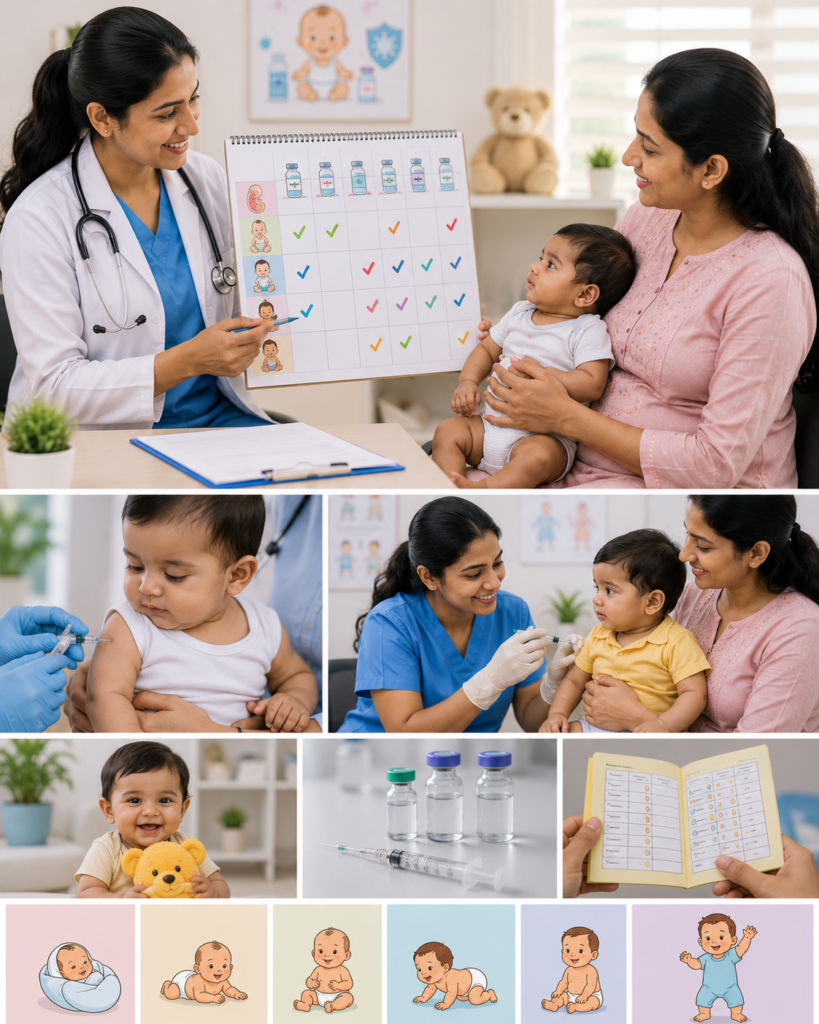
Child Vaccination Schedule Guide – A Complete Immunization Guide for Parents
Vaccination is one of the most effective ways to protect children from serious infectious diseases. By following the recommended immunization schedule, parents can help safeguard their child’s health from birth through adolescence. Vaccines strengthen the immune system, reduce the risk of life-threatening illnesses, and contribute to healthier communities by preventing the spread of infectious diseases.
This child vaccination schedule guide explains why immunization is important, the recommended vaccination timeline, common vaccines, possible side effects, and tips for parents.
Why Are Vaccinations Important?
Vaccines train the immune system to recognize and fight harmful bacteria and viruses without causing the disease itself. Childhood immunization helps prevent illnesses that can lead to severe complications, hospitalization, disability, or even death.
Benefits of vaccination include:
- Protection against preventable diseases
- Stronger immune system
- Reduced risk of severe infections
- Prevention of disease outbreaks
- Lower healthcare costs
- Protection for vulnerable individuals through community immunity
The Government of India’s Universal Immunization Programme (UIP) provides vaccines against several vaccine-preventable diseases and recommends timely vaccination from birth onward. (nhm.gov.in)
Child Vaccination Schedule
The exact vaccination schedule may vary depending on your pediatrician’s recommendations and your child’s health. The following timeline is based on commonly recommended childhood immunization schedules in India.
At Birth
Recommended vaccines may include:
- BCG (Tuberculosis)
- OPV (Oral Polio Vaccine – Birth Dose)
- Hepatitis B (Birth Dose)
6 Weeks
Vaccines commonly recommended include:
- DTP (Diphtheria, Tetanus, Pertussis)
- IPV/OPV (Polio)
- Hib (Haemophilus influenzae type b)
- Hepatitis B
- Rotavirus Vaccine
- Pneumococcal Conjugate Vaccine (PCV)
10 Weeks
The second doses of:
- DTP
- IPV/OPV
- Hib
- Rotavirus
- PCV
14 Weeks
The third doses of:
- DTP
- IPV/OPV
- Hib
- Rotavirus (depending on the vaccine brand)
- PCV (as recommended)
6–9 Months
Your child may receive:
- Influenza Vaccine (if advised)
- Vitamin A supplementation according to national recommendations
9–12 Months
Vaccinations may include:
- Measles-Rubella (MR)
- MMR (Measles, Mumps, Rubella) as advised
- Hepatitis A (depending on the vaccine schedule)
12–18 Months
Booster and additional vaccines may include:
- MMR Second Dose
- Varicella (Chickenpox)
- PCV Booster
- Hib Booster
- DTP Booster
- IPV Booster
18–24 Months
Children may receive:
- Hepatitis A Second Dose (for applicable vaccine schedules)
- Typhoid Conjugate Vaccine (if advised)
4–6 Years
Booster vaccines commonly include:
- DTP Booster
- IPV/OPV Booster
- MMR Booster
- Varicella Booster (if recommended)
10–16 Years
Older children and adolescents may receive:
- Tdap/Td Booster
- HPV Vaccine (recommended for eligible children and adolescents)
- Additional vaccines based on health status and travel requirements
The Indian Academy of Pediatrics (IAP) updates its immunization schedule regularly to reflect current scientific evidence and disease patterns. (iapindia.org)
Optional Vaccines
Your pediatrician may recommend additional vaccines based on your child’s age, medical history, and risk factors.
These may include:
- Influenza Vaccine
- Typhoid Vaccine
- Hepatitis A Vaccine
- Chickenpox Vaccine
- HPV Vaccine
- Meningococcal Vaccine
- Japanese Encephalitis Vaccine (in endemic areas)
Common Side Effects After Vaccination
Most vaccines are safe and cause only mild, temporary side effects such as:
- Mild fever
- Pain at the injection site
- Redness or swelling
- Fussiness
- Sleepiness
- Reduced appetite
These symptoms usually resolve within one or two days. Seek immediate medical care if your child develops difficulty breathing, persistent high fever, severe allergic reactions, or unusual behavior after vaccination.
Tips for Parents
To make vaccination visits smoother:
- Carry your child’s vaccination record.
- Follow the recommended schedule without unnecessary delays.
- Inform the doctor about allergies or previous vaccine reactions.
- Comfort your child before and after vaccination.
- Encourage adequate fluids after immunization.
- Monitor for mild side effects at home.
- Consult your pediatrician if you have concerns.
What Happens If a Vaccine Is Missed?
Missing a scheduled vaccine does not usually mean the entire series must be restarted. Your pediatrician can create a catch-up immunization schedule to help your child receive the remaining doses safely and effectively.
Keeping a Vaccination Record
Maintain an updated vaccination record that includes:
- Vaccine name
- Date administered
- Dose number
- Batch details (if available)
- Next due date
A complete vaccination record helps ensure timely immunization and may be required for school admission, travel, or medical care.
Choosing a Child Vaccination Center
When selecting a healthcare facility for your child’s immunization, look for:
- Qualified pediatricians
- Proper vaccine storage and cold chain maintenance
- Clean and child-friendly environment
- Emergency care availability
- Accurate vaccination records
- Reminder services for upcoming doses
Conclusion
Timely childhood vaccination is one of the best investments parents can make in their child’s long-term health. Following the recommended immunization schedule helps protect children from serious infectious diseases while supporting healthy growth and development. Regular visits to your pediatrician, maintaining vaccination records, and staying informed about booster doses ensure your child receives the protection needed at every stage of childhood.