
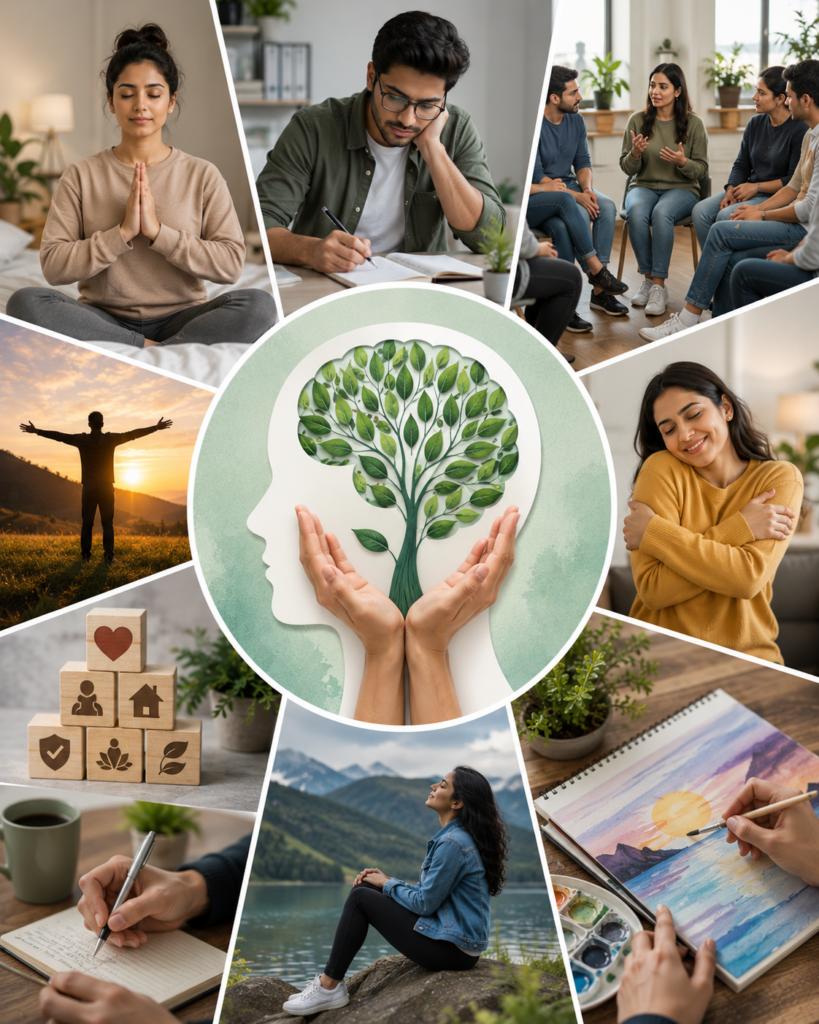
Mental Health Awareness Guide: Understanding, Protecting, and Improving Mental Well-Being
Mental health is an essential part of overall health. It influences how we think, feel, behave, manage stress, build relationships, and make decisions. Just as physical health requires regular care, mental well-being also benefits from healthy habits, early recognition of concerns, and timely professional support when needed.
This mental health awareness guide explains common mental health conditions, warning signs, self-care strategies, and ways to support emotional well-being for people of all ages.
What Is Mental Health?
Mental health refers to a person’s emotional, psychological, and social well-being. Good mental health helps individuals:
- Cope with daily stress
- Build healthy relationships
- Make informed decisions
- Work productively
- Learn effectively
- Adapt to life’s challenges
Mental health exists on a spectrum, and everyone experiences changes in emotional well-being at different times in life.
Why Mental Health Awareness Is Important
Increasing awareness helps reduce stigma and encourages people to seek help early when they need it.
Good mental health awareness can:
- Promote early identification of problems
- Encourage timely treatment
- Improve quality of life
- Strengthen family and community support
- Reduce misunderstandings about mental illness
- Encourage healthy coping strategies
Seeking help for mental health concerns is a sign of self-care, not weakness.
Common Mental Health Conditions
Several mental health conditions can affect people of any age, including:
- Anxiety disorders
- Depression
- Bipolar disorder
- Obsessive-compulsive disorder (OCD)
- Post-traumatic stress disorder (PTSD)
- Eating disorders
- Substance use disorders
- Stress-related disorders
These conditions vary in severity and often respond well to appropriate treatment and support.
Common Warning Signs
Mental health concerns may present differently from person to person.
Possible warning signs include:
- Persistent sadness
- Excessive worry or fear
- Mood changes
- Irritability
- Difficulty concentrating
- Loss of interest in usual activities
- Changes in appetite
- Sleep problems
- Fatigue
- Social withdrawal
- Feelings of hopelessness
- Declining performance at work or school
Experiencing one or more of these symptoms does not automatically mean someone has a mental health disorder, but persistent or worsening symptoms deserve attention.
Everyday Habits That Support Mental Health
Simple lifestyle choices can help improve emotional well-being.
Healthy habits include:
- Eating a balanced diet
- Exercising regularly
- Sleeping 7–9 hours each night
- Drinking enough water
- Spending time outdoors
- Practicing relaxation techniques
- Maintaining social connections
- Limiting excessive screen time
These habits support both mental and physical health.
Manage Stress Effectively
Stress is a normal part of life, but long-term stress can affect mental and physical well-being.
Healthy ways to manage stress include:
- Deep breathing exercises
- Meditation
- Yoga
- Walking
- Reading
- Listening to music
- Journaling
- Spending time with family and friends
Finding healthy coping strategies can improve resilience during difficult times.
The Importance of Sleep
Sleep and mental health are closely connected.
Poor sleep may contribute to:
- Mood changes
- Difficulty concentrating
- Increased stress
- Reduced energy
- Anxiety
- Depression
Maintaining a regular sleep routine supports emotional balance and cognitive function.
Stay Connected with Others
Social support plays an important role in mental wellness.
Helpful ways to stay connected include:
- Talking with trusted family members
- Meeting friends regularly
- Joining community activities
- Participating in hobbies
- Seeking support groups when needed
Strong relationships can help reduce feelings of loneliness and isolation.
Mental Health in Children and Teenagers
Young people can also experience mental health challenges.
Parents and caregivers should watch for:
- Sudden mood changes
- Withdrawal from friends
- Declining school performance
- Changes in eating or sleeping habits
- Persistent sadness
- Excessive anxiety
- Behavioral changes
Open communication and early professional support can improve outcomes.
Mental Health in Older Adults
Older adults may face emotional challenges related to health problems, retirement, grief, or social isolation.
Supporting healthy aging includes:
- Regular physical activity
- Social engagement
- Nutritious meals
- Mental stimulation
- Routine medical care
- Encouraging meaningful daily activities
Mental health care is important at every stage of life.
Reduce the Stigma Around Mental Health
Many people hesitate to seek help because of stigma.
You can help reduce stigma by:
- Speaking respectfully about mental health
- Encouraging open conversations
- Avoiding judgment
- Supporting friends and family members
- Learning about mental health conditions
Greater awareness creates more supportive communities.
When to Seek Professional Help
Consult a qualified healthcare professional if you experience:
- Persistent sadness lasting several weeks
- Anxiety that interferes with daily life
- Difficulty functioning at work, school, or home
- Major changes in sleep or appetite
- Panic attacks
- Ongoing emotional distress
- Feelings of hopelessness
- Difficulty coping with everyday responsibilities
Early evaluation and treatment can improve recovery and quality of life.
Daily Mental Wellness Checklist
Practice these healthy habits each day:
- Eat balanced meals.
- Exercise regularly.
- Sleep 7–9 hours.
- Stay hydrated.
- Practice stress management.
- Spend time with loved ones.
- Limit excessive screen time.
- Take regular breaks from work.
- Enjoy hobbies and relaxation.
- Reach out for help when needed.
Conclusion
Mental health is a vital part of overall wellness and deserves the same attention as physical health. By understanding common mental health conditions, recognizing warning signs, practicing healthy lifestyle habits, and seeking timely support, individuals can improve emotional well-being and lead healthier, more balanced lives. Raising awareness and encouraging open conversations can also help create a more compassionate and supportive society where everyone feels comfortable seeking help when they need it.