
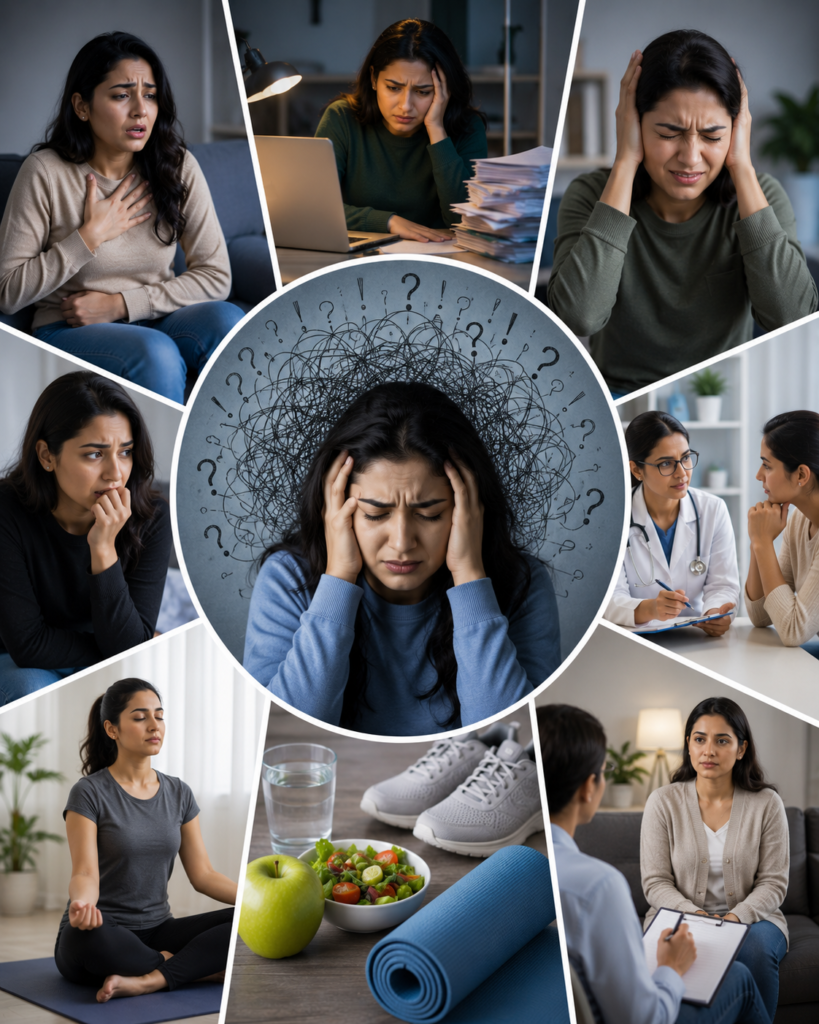
Anxiety Symptoms and Treatment: Understanding Causes, Signs, and Effective Management
Feeling worried or nervous from time to time is a normal part of life. However, when anxiety becomes frequent, intense, or begins to interfere with daily activities, it may indicate an anxiety disorder. Anxiety disorders are among the most common mental health conditions and can affect people of all ages.
The good news is that anxiety is treatable. With early recognition, healthy lifestyle changes, professional care, and appropriate treatment, many people can successfully manage their symptoms and improve their quality of life.
What Is Anxiety?
Anxiety is the body’s natural response to stress or perceived danger. It can cause emotional, physical, and behavioral changes that prepare a person to respond to challenging situations.
Occasional anxiety is normal, but persistent or excessive anxiety that affects work, school, relationships, or daily functioning may require medical evaluation.
Common Types of Anxiety Disorders
Several anxiety disorders are recognized, including:
- Generalized anxiety disorder (GAD)
- Panic disorder
- Social anxiety disorder
- Specific phobias
- Separation anxiety disorder
- Agoraphobia
Each type has its own symptoms and treatment approach, but all can improve with appropriate care.
Common Symptoms of Anxiety
Anxiety symptoms vary from person to person and may include:
Emotional Symptoms
- Excessive worry
- Feeling nervous or restless
- Constant fear or apprehension
- Difficulty relaxing
- Feeling overwhelmed
- Irritability
- Trouble concentrating
Physical Symptoms
- Rapid heartbeat
- Sweating
- Trembling
- Shortness of breath
- Chest tightness
- Dizziness
- Muscle tension
- Headaches
- Nausea
- Stomach discomfort
- Fatigue
- Dry mouth
Behavioral Symptoms
- Avoiding stressful situations
- Difficulty making decisions
- Reduced social interaction
- Trouble completing daily tasks
- Sleep disturbances
Symptoms may come and go or persist over time.
What Causes Anxiety?
Anxiety usually develops due to a combination of factors.
Possible causes include:
- Chronic stress
- Family history of anxiety disorders
- Traumatic experiences
- Major life changes
- Certain medical conditions
- Sleep deprivation
- Excessive caffeine intake
- Substance misuse
- Hormonal changes
Often, no single cause can be identified.
Risk Factors
Certain factors may increase the likelihood of developing anxiety:
- Family history of mental health conditions
- Long-term medical illnesses
- High-stress occupations
- Financial difficulties
- Childhood trauma
- Limited social support
- Previous episodes of anxiety or depression
Having risk factors does not necessarily mean someone will develop an anxiety disorder.
How Anxiety Is Diagnosed
A healthcare professional will usually evaluate:
- Medical history
- Current symptoms
- Duration and severity of symptoms
- Impact on daily life
- Physical health
- Medication use
- Lifestyle factors
In some cases, tests may be recommended to rule out medical conditions that can cause similar symptoms, such as thyroid disorders or certain heart conditions.
Treatment for Anxiety
Treatment depends on the type and severity of anxiety.
Psychological Therapy
Talk therapy is one of the most effective treatments for many anxiety disorders.
Therapy can help people:
- Understand anxiety triggers
- Develop healthy coping strategies
- Challenge unhelpful thought patterns
- Build confidence in managing symptoms
Medications
Some individuals may benefit from medications prescribed by a qualified healthcare professional.
Medication choices depend on:
- Type of anxiety disorder
- Symptom severity
- Age
- Overall health
- Other medical conditions
Never start, stop, or change prescribed medications without medical guidance.
Lifestyle Changes That Help Manage Anxiety
Healthy daily habits can reduce anxiety symptoms and improve emotional well-being.
Helpful strategies include:
- Exercise regularly
- Eat balanced meals
- Get 7–9 hours of sleep
- Stay hydrated
- Limit excessive caffeine
- Avoid tobacco and recreational drugs
- Limit alcohol consumption
- Maintain a regular daily routine
Lifestyle changes work best alongside professional treatment when needed.
Relaxation Techniques
Many people benefit from practicing relaxation exercises regularly.
Examples include:
- Deep breathing exercises
- Meditation
- Mindfulness practices
- Yoga
- Progressive muscle relaxation
- Gentle stretching
Regular practice may help reduce stress and improve emotional balance.
Supporting Someone with Anxiety
If a family member or friend has anxiety:
- Listen without judgment.
- Encourage open communication.
- Avoid dismissing their concerns.
- Support healthy habits.
- Encourage professional help when appropriate.
- Be patient during recovery.
Supportive relationships can make a meaningful difference.
When to Seek Medical Attention
Consult a healthcare professional if anxiety:
- Persists for several weeks or longer
- Interferes with work, school, or relationships
- Causes frequent panic attacks
- Leads to sleep problems
- Results in avoiding everyday activities
- Causes significant emotional distress
- Does not improve with self-care
Early evaluation often leads to better long-term outcomes.
Daily Tips for Managing Anxiety
Follow these healthy habits:
- Maintain a regular sleep schedule.
- Exercise most days of the week.
- Eat nutritious meals.
- Limit caffeine intake.
- Practice relaxation techniques.
- Spend time with supportive family and friends.
- Take breaks during stressful situations.
- Stay physically active.
- Practice mindfulness.
- Seek professional support when needed.
Can Anxiety Be Prevented?
While anxiety cannot always be prevented, healthy habits may lower the risk or reduce symptom severity.
Helpful preventive measures include:
- Managing stress early
- Maintaining healthy relationships
- Getting adequate sleep
- Staying physically active
- Avoiding substance misuse
- Seeking support during difficult life events
These habits contribute to better mental and physical health.
Conclusion
Anxiety is a common and treatable condition that affects millions of people worldwide. Recognizing the symptoms early, understanding possible causes, and seeking appropriate treatment can greatly improve daily functioning and overall quality of life. A combination of professional care, healthy lifestyle habits, relaxation techniques, and strong social support can help individuals successfully manage anxiety and enjoy better emotional well-being.