
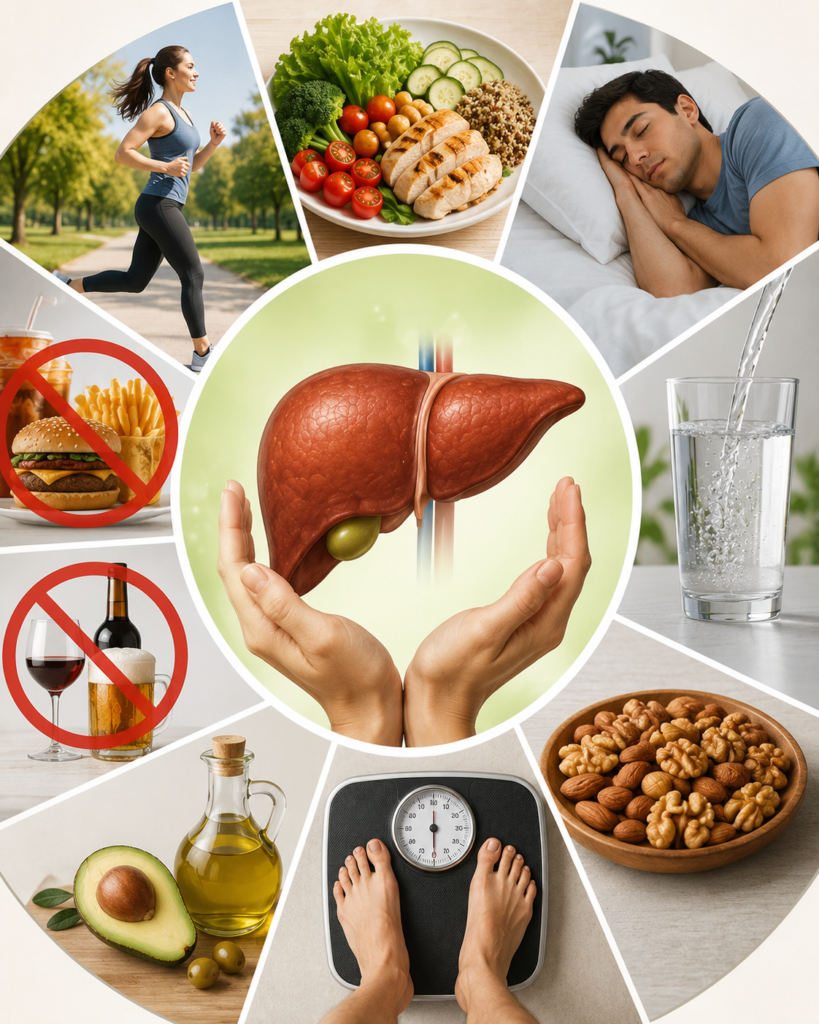
Fatty Liver Prevention Tips: Simple Steps to Keep Your Liver Healthy
Fatty liver disease is becoming increasingly common due to unhealthy eating habits, obesity, diabetes, and a sedentary lifestyle. The good news is that in many cases, fatty liver can be prevented—and even reversed in its early stages—through healthy lifestyle changes.
This guide explains practical fatty liver prevention tips, risk factors, healthy diet recommendations, and lifestyle habits to support long-term liver health.
What Is Fatty Liver Disease?
Fatty liver disease occurs when excess fat builds up in the liver. While a small amount of fat is normal, too much fat can affect liver function and may lead to inflammation, scarring (fibrosis), cirrhosis, or liver failure if left untreated.
There are two main types:
- Non-Alcoholic Fatty Liver Disease (NAFLD): Associated with obesity, diabetes, high cholesterol, and metabolic syndrome.
- Alcohol-Related Fatty Liver Disease: Caused by excessive alcohol consumption.
Early detection and healthy habits can help prevent disease progression.
Who Is at Risk?
You may have a higher risk of developing fatty liver disease if you:
- Are overweight or obese
- Have Type 2 diabetes
- Have high cholesterol or high triglycerides
- Have high blood pressure
- Eat a diet high in processed foods and sugar
- Lead a physically inactive lifestyle
- Consume alcohol excessively
- Have a family history of liver disease
Understanding your risk can help you take preventive steps early.
Best Fatty Liver Prevention Tips
1. Maintain a Healthy Weight
Excess body fat increases fat accumulation in the liver. Gradual weight loss through a balanced diet and regular exercise can significantly reduce liver fat.
Aim for steady, sustainable weight loss rather than rapid dieting.
2. Eat a Balanced Diet
A nutrient-rich diet supports liver function and overall health.
Include:
- Fresh vegetables
- Fruits
- Whole grains
- Lean protein
- Fish rich in omega-3 fatty acids
- Beans and legumes
- Healthy fats from nuts and seeds
Limit:
- Fried foods
- Sugary drinks
- Refined carbohydrates
- Processed snacks
- Foods high in saturated and trans fats
3. Exercise Regularly
Regular physical activity helps reduce liver fat and improves insulin sensitivity.
Recommended activities include:
- Brisk walking
- Cycling
- Swimming
- Jogging
- Strength training
- Yoga
Aim for at least 150 minutes of moderate exercise each week.
4. Control Blood Sugar Levels
Poorly controlled diabetes increases the risk of fatty liver disease.
Maintain healthy blood sugar levels through:
- Balanced meals
- Regular exercise
- Medication as prescribed
- Routine health checkups
5. Manage Cholesterol and Triglycerides
High cholesterol and triglyceride levels contribute to liver fat accumulation.
Healthy habits include:
- Eating fiber-rich foods
- Exercising regularly
- Limiting unhealthy fats
- Following medical advice if medication is needed
6. Avoid Excess Alcohol
Excessive alcohol can damage liver cells and increase fat accumulation.
Limiting or avoiding alcohol helps protect liver health, especially for people with existing liver disease.
7. Stay Hydrated
Drinking enough water supports digestion, metabolism, and overall liver function.
Choose water instead of sugary beverages whenever possible.
8. Avoid Unnecessary Medications
Some medications and herbal supplements may affect the liver when used improperly.
Always:
- Take medicines only as directed
- Avoid self-medication
- Inform your doctor about supplements you use
9. Get Regular Health Checkups
Routine health screenings can identify liver problems before symptoms develop.
Doctors may recommend:
- Liver function tests
- Blood sugar testing
- Lipid profile
- Ultrasound when necessary
Early detection allows timely treatment.
10. Improve Sleep and Reduce Stress
Poor sleep and chronic stress may contribute to unhealthy lifestyle habits and metabolic disorders.
Healthy sleep habits include:
- Sleeping 7–9 hours each night
- Following a regular sleep schedule
- Practicing relaxation techniques
- Staying physically active
Foods That Support Liver Health
Healthy foods include:
- Leafy green vegetables
- Berries
- Citrus fruits
- Oats
- Brown rice
- Lentils
- Fatty fish
- Olive oil
- Walnuts
- Garlic
These foods provide nutrients and antioxidants that support overall liver function.
Foods to Limit
Reducing these foods may help lower the risk of fatty liver disease:
- Fast food
- Fried snacks
- Sugary desserts
- Soft drinks
- Processed meats
- White bread
- Excess salt
- Packaged foods high in preservatives
Warning Signs of Fatty Liver Disease
Many people experience no symptoms initially. As the condition progresses, symptoms may include:
- Fatigue
- Mild discomfort in the upper right abdomen
- Weakness
- Unexplained weight loss
- Poor appetite
Advanced liver disease may cause jaundice, swelling, and confusion, requiring immediate medical attention.
Can Fatty Liver Be Reversed?
Yes. In many individuals, early-stage fatty liver disease improves with:
- Weight loss
- Healthy eating
- Regular exercise
- Blood sugar control
- Cholesterol management
- Avoiding alcohol
Consistent lifestyle changes are the key to reversing early fatty liver.
Frequently Asked Questions
Is fatty liver disease serious?
Early fatty liver disease is often manageable, but untreated cases can progress to liver inflammation, fibrosis, cirrhosis, and liver failure.
Can slim people develop fatty liver?
Yes. Although obesity increases risk, people with normal body weight can also develop fatty liver due to genetics, diabetes, poor diet, or metabolic disorders.
Which exercise is best for fatty liver?
Walking, cycling, swimming, resistance training, and other moderate-intensity activities can help reduce liver fat when performed regularly.
Should everyone with fatty liver avoid alcohol?
People with fatty liver disease should discuss alcohol consumption with their healthcare provider, as avoiding alcohol is often recommended to reduce additional liver damage.
Conclusion
Fatty liver disease is often preventable through healthy daily habits. Maintaining a healthy weight, eating a balanced diet, exercising regularly, managing diabetes and cholesterol, limiting alcohol, and attending routine health checkups can significantly reduce the risk of liver damage.
Taking preventive steps today can protect your liver, improve overall health, and lower the risk of serious complications in the future.