
Best Diagnostic Centers in Madurai – A Complete Guide to Accurate Medical Testing
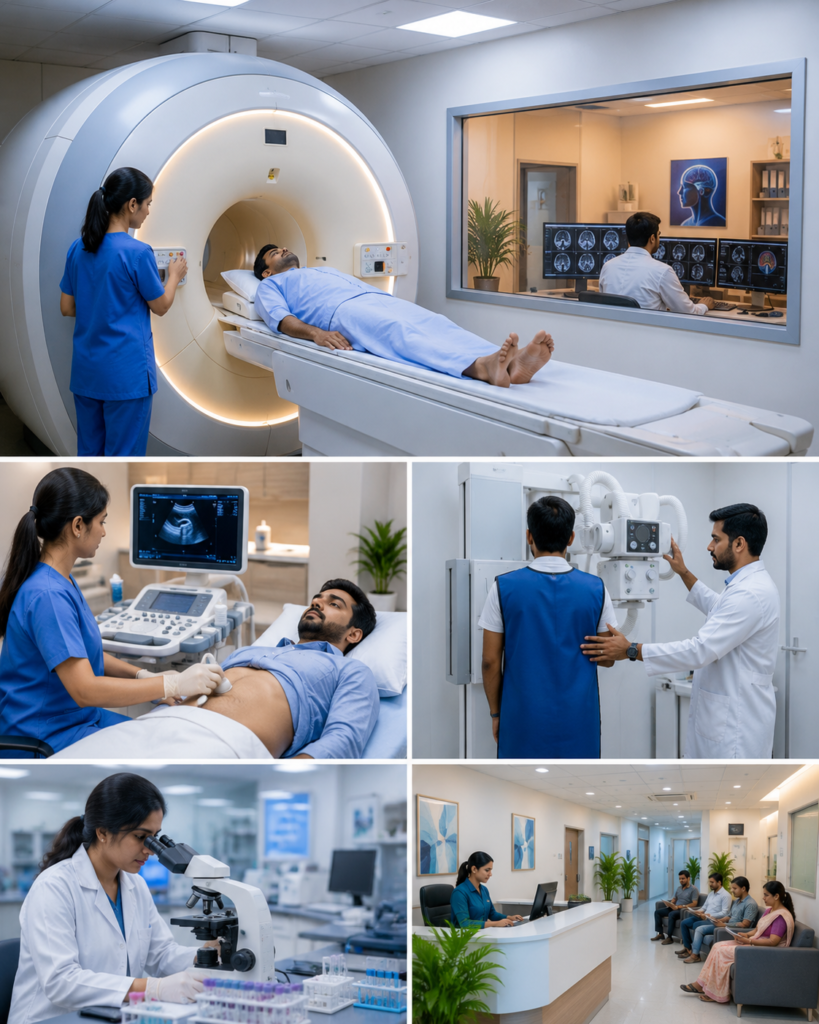
Diagnostic centers play a crucial role in modern healthcare by providing accurate laboratory tests and imaging services that help doctors diagnose, monitor, and treat various medical conditions. From routine blood tests to advanced imaging procedures such as MRI and CT scans, diagnostic services support informed medical decisions and improve patient care.
If you’re searching for Best Diagnostic Centers in Madurai, this guide explains the services offered by diagnostic centers, the types of tests available, and the importance of regular diagnostic screening. This article is intended for informational purposes and does not promote or recommend any specific diagnostic center.
What is a Diagnostic Center?
A diagnostic center is a healthcare facility that performs laboratory investigations, imaging studies, and health screening tests to assist in the diagnosis and monitoring of diseases. Diagnostic reports help healthcare professionals develop appropriate treatment plans based on accurate clinical information.
Why Are Diagnostic Tests Important?
Diagnostic investigations help in:
- Early detection of diseases
- Confirming medical diagnoses
- Monitoring ongoing treatment
- Identifying infections
- Evaluating organ function
- Detecting nutritional deficiencies
- Assessing overall health
- Supporting preventive healthcare
Accurate diagnostic testing plays a significant role in improving treatment outcomes and reducing complications through early intervention.
Laboratory Tests Available
Most diagnostic centers provide a wide range of laboratory investigations, including:
Blood Tests
Common blood investigations include:
- Complete Blood Count (CBC)
- Blood Sugar (Fasting and Postprandial)
- HbA1c
- Lipid Profile
- Liver Function Test (LFT)
- Kidney Function Test (KFT)
- Thyroid Function Test
- Vitamin B12
- Vitamin D
- Iron Studies
- Electrolytes
- Uric Acid
Urine Tests
Urine analysis helps evaluate:
- Kidney health
- Urinary tract infections
- Diabetes-related abnormalities
- Protein loss
- General urinary health
Stool Examination
Stool testing may be recommended to detect:
- Digestive disorders
- Parasitic infections
- Gastrointestinal bleeding
- Certain bacterial infections
Hormone Tests
Hormonal evaluations may include:
- Thyroid hormones
- Insulin
- Cortisol
- Reproductive hormones
- Testosterone
- Estrogen
- Progesterone
Imaging Services
Many diagnostic centers offer advanced imaging facilities such as:
Digital X-Ray
Used to evaluate:
- Bone fractures
- Chest conditions
- Joint problems
Ultrasound Scan
Helpful for examining:
- Abdomen
- Liver
- Gallbladder
- Kidneys
- Pregnancy
- Pelvic organs
CT Scan
Provides detailed cross-sectional images for evaluating:
- Head injuries
- Chest diseases
- Abdominal conditions
- Trauma
- Internal bleeding
MRI Scan
MRI is commonly used to assess:
- Brain disorders
- Spine problems
- Joint injuries
- Soft tissue conditions
- Ligament injuries
Mammography
A specialized imaging test used for breast health evaluation and breast cancer screening in eligible individuals.
Bone Density Scan
Measures bone strength and helps assess the risk of osteoporosis.
Cardiac Diagnostic Tests
Heart-related investigations may include:
- Electrocardiogram (ECG)
- Echocardiography
- Treadmill Test (TMT)
- Holter Monitoring
- Blood pressure monitoring
These tests help evaluate heart rhythm, structure, and overall cardiovascular health.
Specialized Diagnostic Services
Many centers also perform:
- Allergy testing
- Cancer marker tests
- Infectious disease screening
- Prenatal screening
- Genetic testing
- Microbiology tests
- Pathology services
- Cytology and biopsy processing
Health Checkup Packages
Diagnostic centers often provide preventive health screening packages for:
- General health assessment
- Diabetes screening
- Heart health evaluation
- Women’s health
- Men’s health
- Senior citizen health
- Executive health checkups
The tests included vary depending on age, gender, medical history, and individual health risks.
Who Should Undergo Diagnostic Testing?
Diagnostic tests may be recommended for:
- Individuals with persistent symptoms
- People with chronic diseases
- Pregnant women
- Senior citizens
- Individuals with a family history of certain medical conditions
- Patients undergoing treatment
- Those seeking preventive health screening
Your healthcare provider will recommend the appropriate investigations based on your medical history and symptoms.
Preparing for Diagnostic Tests
Preparation depends on the specific test but may include:
- Fasting before certain blood tests
- Drinking water before ultrasound examinations
- Avoiding certain medications if advised
- Carrying previous reports for comparison
- Wearing comfortable clothing for imaging studies
Always follow the instructions provided by your healthcare provider or diagnostic facility.
Benefits of Early Diagnostic Screening
Regular diagnostic evaluations can help:
- Detect diseases before symptoms appear
- Improve treatment planning
- Monitor chronic medical conditions
- Reduce the risk of complications
- Support preventive healthcare
- Track recovery after treatment
Early diagnosis often allows for more effective treatment and better long-term health outcomes.
Tips for Maintaining Good Health
Along with regular health screenings:
- Eat a balanced diet.
- Stay physically active.
- Maintain a healthy weight.
- Get adequate sleep.
- Avoid tobacco products.
- Limit alcohol consumption.
- Manage stress effectively.
- Follow your doctor’s advice regarding routine checkups.
Frequently Asked Questions
Do I need a doctor’s prescription for diagnostic tests?
Some investigations require a doctor’s referral, while certain routine health screening tests may be available without one, depending on local regulations and the type of test.
How often should I undergo health screening?
The frequency depends on your age, family history, medical conditions, and overall health. Your healthcare provider can recommend an appropriate screening schedule.
Is fasting necessary before blood tests?
Certain tests, such as fasting blood glucose and some lipid profile tests, may require fasting. Follow the instructions provided before your appointment.
Are imaging tests safe?
Most diagnostic imaging procedures are considered safe when performed for appropriate medical reasons. Your doctor will recommend the most suitable investigation based on your condition.
Why are diagnostic reports important?
Diagnostic reports provide valuable information that helps healthcare professionals diagnose diseases, monitor treatment progress, and make informed medical decisions.
Conclusion
Diagnostic centers are an essential part of healthcare, providing accurate laboratory investigations and imaging services that support disease diagnosis, treatment planning, and preventive health screening. Whether you require routine blood tests, advanced imaging, cardiac evaluations, or comprehensive health checkups, timely diagnostic testing can help detect medical conditions early and improve treatment outcomes. Regular health screenings, combined with healthy lifestyle habits and professional medical guidance, contribute to better long-term health and overall well-being.