
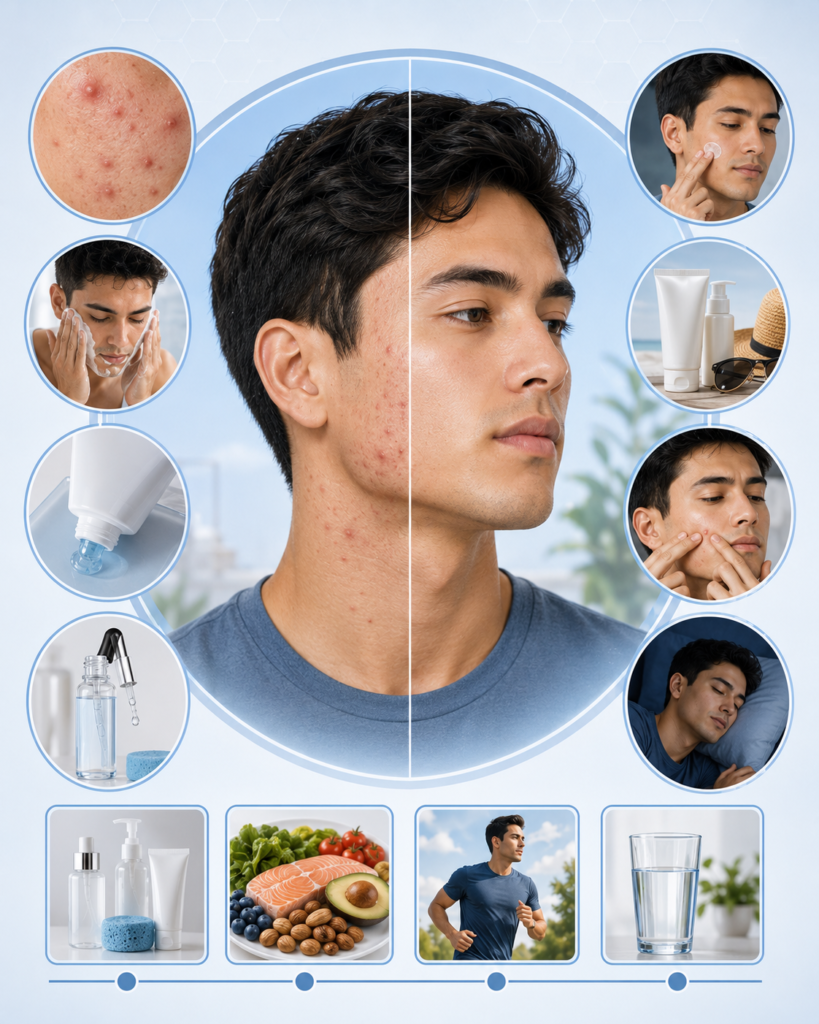
Acne Treatment Tips: A Complete Guide to Managing and Preventing Acne
Acne is one of the most common skin conditions affecting teenagers and adults worldwide. While acne is not usually a serious medical condition, it can impact self-confidence and may lead to permanent scarring if left untreated. Understanding the causes of acne, available treatment options, and proper skincare practices can help achieve healthier, clearer skin. This comprehensive guide by MaduraiDoctors provides essential information on acne treatment and prevention.
What Is Acne?
Acne is a skin condition that occurs when hair follicles become blocked with oil, dead skin cells, and bacteria. It commonly affects areas of the body with a high concentration of oil glands, including:
- Face
- Forehead
- Chest
- Upper back
- Shoulders
Acne can vary from mild blackheads and whiteheads to severe inflammatory lesions and cysts.
What Causes Acne?
Several factors contribute to the development of acne.
Excess Oil Production
The skin naturally produces oil called sebum. Excessive sebum production can block pores and promote acne formation.
Clogged Hair Follicles
Dead skin cells can combine with oil, leading to blocked pores and acne lesions.
Bacterial Growth
Certain bacteria naturally present on the skin can multiply inside blocked pores, causing inflammation.
Hormonal Changes
Hormonal fluctuations often trigger acne, particularly during:
- Puberty
- Menstrual cycles
- Pregnancy
- Hormonal disorders
Genetic Factors
A family history of acne may increase the likelihood of developing the condition.
Stress
Although stress does not directly cause acne, it may worsen existing breakouts.
Certain Medications
Some medications can contribute to acne development, including:
- Steroids
- Hormonal medications
- Certain psychiatric medications
Types of Acne
Understanding the type of acne helps determine the most effective treatment.
Blackheads
Open pores filled with oil and dead skin cells that appear black due to oxidation.
Whiteheads
Closed pores blocked by oil and dead skin cells.
Papules
Small, red, inflamed bumps on the skin.
Pustules
Inflamed pimples containing pus.
Nodules
Large, painful lumps beneath the skin surface.
Cystic Acne
Severe, deep, painful acne lesions that may cause permanent scarring.
Common Acne Symptoms
Symptoms may include:
- Blackheads
- Whiteheads
- Red bumps
- Pus-filled pimples
- Painful skin lumps
- Oily skin
- Skin inflammation
- Acne scars
Acne Treatment Options
Treatment depends on the severity and type of acne.
Topical Treatments
Topical medications are commonly used for mild to moderate acne and may help:
- Reduce oil production
- Unclog pores
- Decrease bacterial growth
- Reduce inflammation
Oral Medications
Moderate to severe acne may require oral medications prescribed by a healthcare professional.
These may include:
- Antibiotics
- Hormonal treatments
- Retinoid medications
- Other prescription therapies
Chemical Peels
Chemical peels can help improve acne and reduce acne scars by removing damaged skin layers.
Laser and Light Therapy
Certain laser and light treatments may reduce acne-causing bacteria and inflammation.
Acne Scar Treatments
For patients with acne scars, treatment options may include:
- Chemical peels
- Microneedling
- Laser treatments
- Dermal procedures recommended by specialists
Daily Acne Treatment Tips
Following a proper skincare routine can help control acne and prevent future breakouts.
Wash Your Face Gently
- Clean your face twice daily.
- Use a mild cleanser.
- Avoid harsh scrubbing.
Avoid Touching Your Face
Frequent touching can transfer bacteria and worsen acne.
Do Not Squeeze Pimples
Popping pimples may increase inflammation and lead to permanent scarring.
Use Non-Comedogenic Products
Choose skincare and cosmetic products labeled as non-comedogenic to avoid clogging pores.
Remove Makeup Before Sleeping
Leaving makeup on overnight can contribute to clogged pores.
Keep Hair Clean
Excess oil from hair can aggravate acne on the face and forehead.
Diet and Acne
Although diet affects individuals differently, maintaining healthy eating habits may support better skin health.
Consider including:
- Fresh fruits and vegetables
- Whole grains
- Lean proteins
- Healthy fats
- Adequate water intake
Limiting excessive consumption of processed foods and sugary beverages may also be beneficial.
Lifestyle Tips for Healthy Skin
Manage Stress
Stress management techniques may help reduce acne flare-ups.
Get Adequate Sleep
Quality sleep supports healthy skin function and overall wellness.
Exercise Regularly
Regular physical activity promotes circulation and overall health.
Maintain Proper Skin Hygiene
Consistent skincare habits can improve acne control.
When Should You Consult a Doctor?
Seek medical advice if you experience:
- Severe acne
- Painful cystic acne
- Persistent acne despite treatment
- Acne causing emotional distress
- Noticeable scarring
- Sudden severe breakouts
Early treatment can prevent complications and reduce the risk of permanent scarring.
Can Acne Be Prevented?
Although acne cannot always be completely prevented, the following practices may help reduce breakouts:
- Follow a regular skincare routine
- Avoid harsh skin products
- Use oil-free cosmetics
- Maintain a healthy lifestyle
- Manage stress
- Seek early treatment when symptoms develop
Conclusion
Acne is a common and treatable skin condition that affects people of all ages. Understanding the causes, recognizing symptoms early, and following appropriate treatment plans can significantly improve skin health and confidence.
This comprehensive MaduraiDoctors acne treatment guide highlights the importance of proper skincare, healthy lifestyle choices, and professional medical evaluation. If acne becomes persistent, severe, or causes scarring, consulting a qualified healthcare professional can help determine the most effective treatment approach for long-term skin health.