
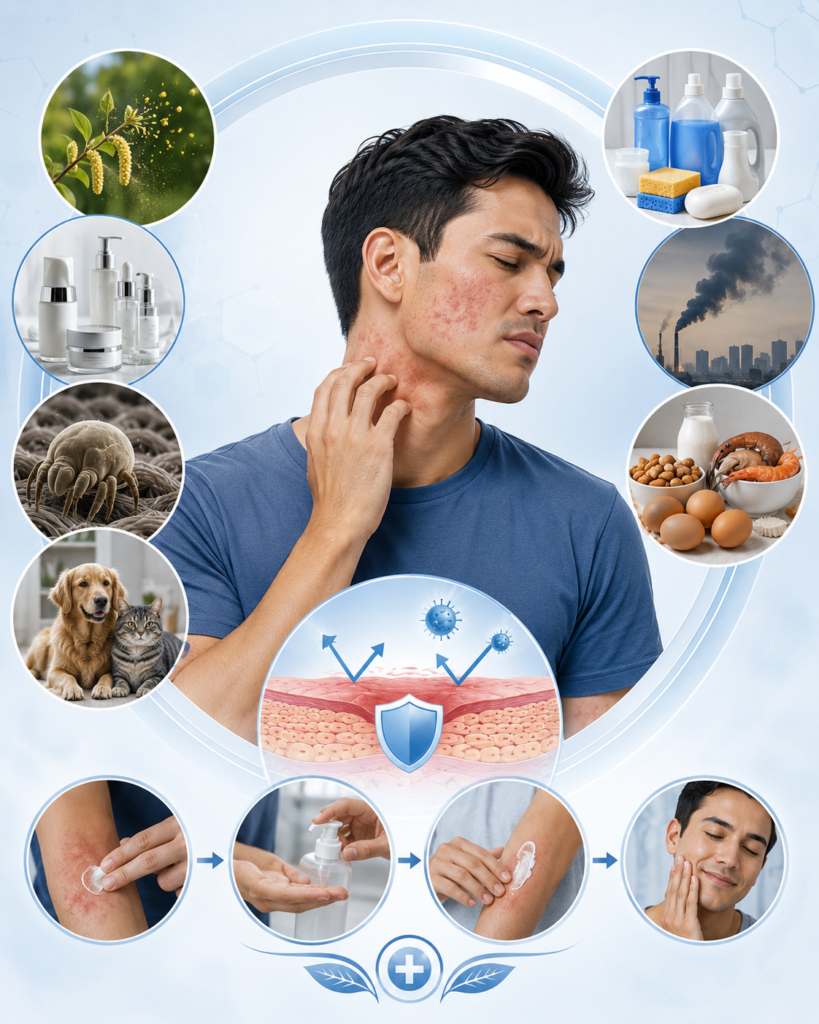
Skin Allergy Treatment Guide: Causes, Symptoms, Diagnosis, and Effective Management
Skin allergies are a common medical condition that can affect people of all ages. They occur when the immune system reacts to substances that are usually harmless, leading to inflammation, itching, redness, and other skin-related symptoms. Understanding the causes, recognizing symptoms early, and seeking appropriate treatment can help manage skin allergies effectively. This comprehensive guide by MaduraiDoctors explains everything you need to know about skin allergy treatment and prevention.
What Is a Skin Allergy?
A skin allergy is an immune system reaction that occurs when the body becomes sensitive to certain substances known as allergens. These reactions can vary from mild irritation to severe inflammation and may affect different areas of the body.
Skin allergies can be temporary or chronic, depending on the underlying cause and individual sensitivity.
Common Types of Skin Allergies
1. Contact Dermatitis
Contact dermatitis occurs when the skin comes into direct contact with an irritating or allergenic substance.
Common triggers include:
- Cosmetics and skincare products
- Soaps and detergents
- Jewelry and metals
- Perfumes and fragrances
- Cleaning products
- Latex products
- Certain plants
Symptoms may include:
- Redness
- Itching
- Burning sensation
- Swelling
- Skin peeling or blistering
2. Atopic Dermatitis (Eczema)
Atopic dermatitis is a chronic inflammatory skin condition that often begins during childhood but can occur at any age.
Common symptoms include:
- Dry skin
- Intense itching
- Red patches
- Thickened skin
- Cracking and irritation
3. Urticaria (Hives)
Hives are raised, itchy welts that can appear suddenly due to allergic reactions.
Possible triggers include:
- Foods
- Medications
- Infections
- Stress
- Insect bites
- Environmental allergens
4. Drug Allergies
Certain medications may trigger allergic skin reactions, causing symptoms such as:
- Rashes
- Itching
- Swelling
- Hives
- Skin inflammation
Common Causes of Skin Allergies
Skin allergies can develop due to various factors, including:
Environmental Allergens
- Dust mites
- Pollen
- Mold
- Animal dander
Food Allergies
Common food triggers include:
- Milk
- Eggs
- Peanuts
- Tree nuts
- Shellfish
- Soy products
- Wheat
Chemical Irritants
Exposure to chemicals found in daily-use products may trigger allergic reactions.
Insect Bites and Stings
Some individuals develop allergic reactions following insect bites or stings.
Genetic Factors
A family history of allergies, asthma, or eczema may increase the risk of developing skin allergies.
Symptoms of Skin Allergies
Symptoms can vary depending on the type and severity of the allergy.
Common symptoms include:
- Itching
- Skin redness
- Swelling
- Rashes
- Dry or flaky skin
- Blisters
- Burning sensation
- Raised bumps or hives
- Skin cracking
- Tenderness
In severe cases, allergic reactions may involve breathing difficulties and require immediate medical attention.
How Are Skin Allergies Diagnosed?
A proper diagnosis helps identify the cause and determine the most effective treatment plan.
Medical History Assessment
Doctors review:
- Symptoms
- Medical history
- Family history
- Environmental exposures
- Medication use
Physical Examination
The skin is examined to determine the pattern and severity of the allergy.
Allergy Testing
Several tests may be recommended:
Skin Prick Test
Small amounts of potential allergens are introduced to identify allergic responses.
Patch Testing
Patch tests help diagnose contact allergies caused by specific substances.
Blood Tests
Blood tests may measure allergy-related antibodies and identify certain allergic conditions.
Skin Allergy Treatment Options
Treatment depends on the type, cause, and severity of the allergic reaction.
Avoiding Allergens
The most effective treatment is identifying and avoiding the trigger whenever possible.
Antihistamine Medications
Antihistamines can help relieve:
- Itching
- Swelling
- Hives
- Allergic reactions
Topical Medications
Doctors may prescribe medicated creams or ointments to reduce:
- Inflammation
- Redness
- Irritation
- Itching
Moisturizers and Skin Care Products
Proper skin hydration helps restore the skin barrier and reduce irritation.
Corticosteroid Therapy
In moderate to severe cases, corticosteroids may be used under medical supervision.
Immunotherapy
For certain allergies, allergy immunotherapy may help reduce sensitivity over time.
Home Care Tips for Managing Skin Allergies
In addition to medical treatment, the following measures may help manage symptoms:
Maintain Good Skin Hydration
Use fragrance-free moisturizers regularly.
Avoid Known Triggers
Identify and avoid substances that cause allergic reactions.
Use Gentle Skin Care Products
Choose products designed for sensitive skin.
Avoid Scratching
Scratching can worsen inflammation and increase the risk of infection.
Wear Comfortable Clothing
Soft, breathable fabrics can help minimize skin irritation.
Keep the Skin Clean
Maintain proper hygiene without excessive washing.
Preventing Skin Allergies
Although not all allergies can be prevented, these steps may reduce the risk:
- Avoid known allergens
- Use hypoallergenic products
- Maintain good skin hydration
- Manage stress effectively
- Follow a balanced diet
- Seek early treatment for skin symptoms
When Should You See a Doctor?
Consult a healthcare professional if you experience:
- Persistent skin rashes
- Severe itching
- Recurrent allergic reactions
- Swelling of the face or lips
- Skin infections
- Worsening symptoms despite treatment
- Difficulty breathing associated with allergies
Prompt medical evaluation helps prevent complications and improves long-term management.
Conclusion
Skin allergies can significantly affect daily life, but proper diagnosis and treatment can help control symptoms and improve quality of life. Identifying triggers, following a personalized treatment plan, and practicing preventive care are essential steps toward effective management.
This comprehensive MaduraiDoctors skin allergy treatment guide emphasizes the importance of early diagnosis, professional medical evaluation, and consistent skin care. If you experience persistent or severe skin allergy symptoms, consult a qualified healthcare professional for accurate diagnosis and appropriate treatment.