
Root Canal Treatment Explained: A Complete Guide to Saving Damaged Teeth
Root canal treatment is a common dental procedure used to save teeth that have become severely infected or damaged. Despite common misconceptions, modern root canal treatment is designed to relieve pain, preserve natural teeth, and restore oral health. Understanding the procedure, its benefits, and the recovery process can help patients feel more confident about their dental care decisions. This comprehensive guide by MaduraiDoctors explains everything you need to know about root canal treatment.
What Is Root Canal Treatment?
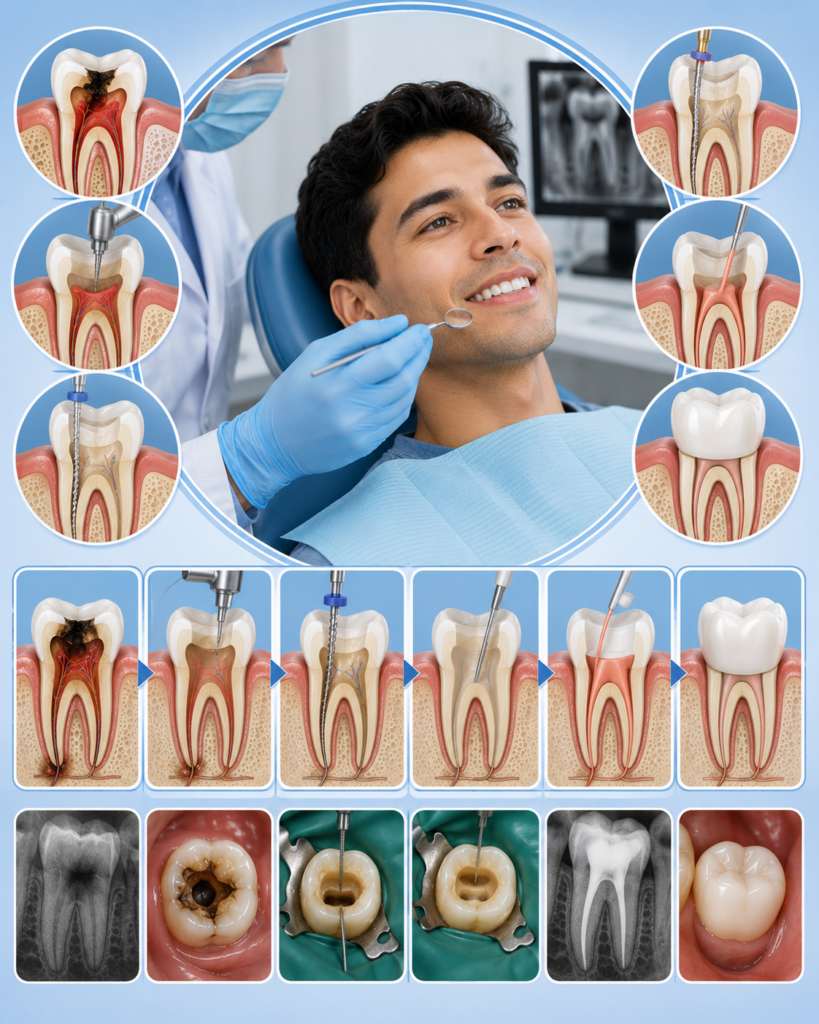
Root canal treatment, also known as endodontic treatment, is a dental procedure used to remove infected or damaged tissue from inside a tooth. The procedure involves cleaning and disinfecting the inner portion of the tooth, known as the pulp chamber and root canals, before sealing the tooth to prevent further infection.
The primary goal of root canal treatment is to save the natural tooth and eliminate pain and infection.
What Is Dental Pulp?
The dental pulp is the soft tissue located inside the tooth. It contains:
- Blood vessels
- Nerves
- Connective tissue
When the pulp becomes infected or inflamed, treatment is often necessary to prevent the infection from spreading.
Why Is Root Canal Treatment Needed?
Root canal treatment may be recommended for several reasons, including:
Deep Tooth Decay
Untreated cavities can progress and reach the inner pulp of the tooth.
Cracked or Broken Teeth
Damage to the tooth structure may expose the pulp to bacteria.
Repeated Dental Procedures
Multiple treatments on the same tooth can sometimes affect the pulp.
Dental Trauma
Injuries to the tooth may damage the pulp even if no visible crack is present.
Severe Tooth Infection
Bacterial infection inside the tooth can lead to pain and abscess formation.
Signs and Symptoms That May Require Root Canal Treatment
Common symptoms include:
- Severe tooth pain
- Pain while chewing
- Sensitivity to hot or cold foods and drinks
- Swelling around the gums
- Tooth discoloration
- Persistent tooth sensitivity
- Gum tenderness
- Formation of a dental abscess
In some cases, infected teeth may produce few or no symptoms, making regular dental checkups important.
How Is a Tooth Infection Diagnosed?
A dentist typically performs a thorough examination, which may include:
Clinical Examination
The dentist evaluates symptoms and examines the affected tooth.
Dental X-Rays
Imaging studies help identify:
- Tooth decay
- Root infections
- Bone damage
- Abscess formation
Sensitivity Tests
Various tests may be performed to assess the health of the tooth pulp.
What Happens During Root Canal Treatment?
Root canal treatment is usually performed in several steps.
Step 1: Local Anesthesia
The affected area is numbed to ensure patient comfort during the procedure.
Step 2: Accessing the Tooth
A small opening is created in the tooth to access the infected pulp.
Step 3: Removing the Infected Tissue
The damaged pulp and bacteria are carefully removed from the root canals.
Step 4: Cleaning and Disinfection
The root canals are cleaned, shaped, and disinfected to eliminate infection.
Step 5: Filling the Root Canals
The cleaned canals are filled with a specialized material to seal the space.
Step 6: Restoring the Tooth
The tooth is restored with a filling or dental crown to protect its structure and function.
Is Root Canal Treatment Painful?
Modern root canal treatment is generally performed under local anesthesia and is designed to relieve pain rather than cause it. Most patients experience discomfort levels similar to those associated with routine dental procedures.
Some mild soreness may occur after treatment, but this usually improves over time.
Benefits of Root Canal Treatment
Root canal treatment offers several important benefits.
Saves the Natural Tooth
Preserving the natural tooth helps maintain proper chewing and speaking function.
Eliminates Infection
The procedure removes bacteria and prevents the spread of infection.
Relieves Pain
Treatment often resolves pain caused by pulp inflammation and infection.
Maintains Jawbone Health
Keeping the natural tooth helps preserve surrounding bone and tissue.
Improves Oral Function
Patients can continue eating and speaking normally after recovery.
How Long Does Root Canal Treatment Take?
The duration of treatment depends on factors such as:
- The location of the tooth
- The severity of the infection
- The complexity of the root canal system
Some treatments can be completed in one visit, while others may require multiple appointments.
Recovery After Root Canal Treatment
Recovery is generally straightforward for most patients.
Patients are often advised to:
- Follow prescribed medications
- Avoid chewing on the treated tooth temporarily
- Maintain good oral hygiene
- Attend follow-up appointments
- Follow all dental instructions carefully
Most individuals can resume their normal activities soon after treatment.
Are There Any Risks or Complications?
Root canal treatment has a high success rate, but potential complications can occasionally occur.
Possible risks include:
- Persistent infection
- Tooth fracture
- Incomplete cleaning of complex canals
- Temporary discomfort
- Need for additional treatment
Regular follow-up care helps ensure successful healing.
Will a Crown Be Needed After Root Canal Treatment?
Many teeth that undergo root canal treatment benefit from a dental crown. Crowns help:
- Strengthen the tooth
- Protect against fracture
- Restore normal function
- Improve appearance
The need for a crown depends on the location and condition of the treated tooth.
Alternatives to Root Canal Treatment
If a tooth cannot be saved, alternatives may include:
Tooth Extraction
Removal of the affected tooth.
Tooth Replacement Options
After extraction, replacement options may include:
- Dental implants
- Dental bridges
- Partial dentures
Whenever possible, preserving the natural tooth is generally preferred.
How to Prevent the Need for Root Canal Treatment
Good oral hygiene practices can reduce the risk of severe tooth infections.
Brush Regularly
Brush your teeth at least twice daily using proper technique.
Floss Daily
Flossing helps remove plaque between teeth.
Attend Regular Dental Checkups
Routine examinations can detect problems early.
Limit Sugary Foods and Drinks
Reducing sugar intake can help prevent tooth decay.
Treat Dental Problems Promptly
Early treatment of cavities and dental injuries can prevent complications.
Frequently Asked Questions About Root Canal Treatment
Can a root canal-treated tooth last a long time?
With proper care and restoration, treated teeth can function successfully for many years.
Is tooth extraction better than root canal treatment?
Preserving the natural tooth is often preferred when possible.
Can infection return after root canal treatment?
Although uncommon, reinfection can occur and may require additional treatment.
Can I eat normally after treatment?
Patients are usually advised to avoid chewing on the treated tooth until it has been fully restored.
When Should You See a Dentist?
Consult a dental professional if you experience:
- Severe tooth pain
- Persistent sensitivity
- Swelling around the gums
- Tooth discoloration
- Pain while chewing
- Signs of dental infection
Early diagnosis and treatment can help prevent complications and preserve your natural teeth.
Conclusion
Root canal treatment is a safe and effective procedure that helps save infected or damaged teeth while relieving pain and restoring oral health. Advances in dental technology have made the procedure more comfortable and successful than ever before.
This comprehensive MaduraiDoctors root canal treatment guide highlights the importance of early diagnosis, professional dental care, and proper oral hygiene. If you experience symptoms of a tooth infection or severe dental pain, consult a qualified dental professional for evaluation and appropriate treatment.