
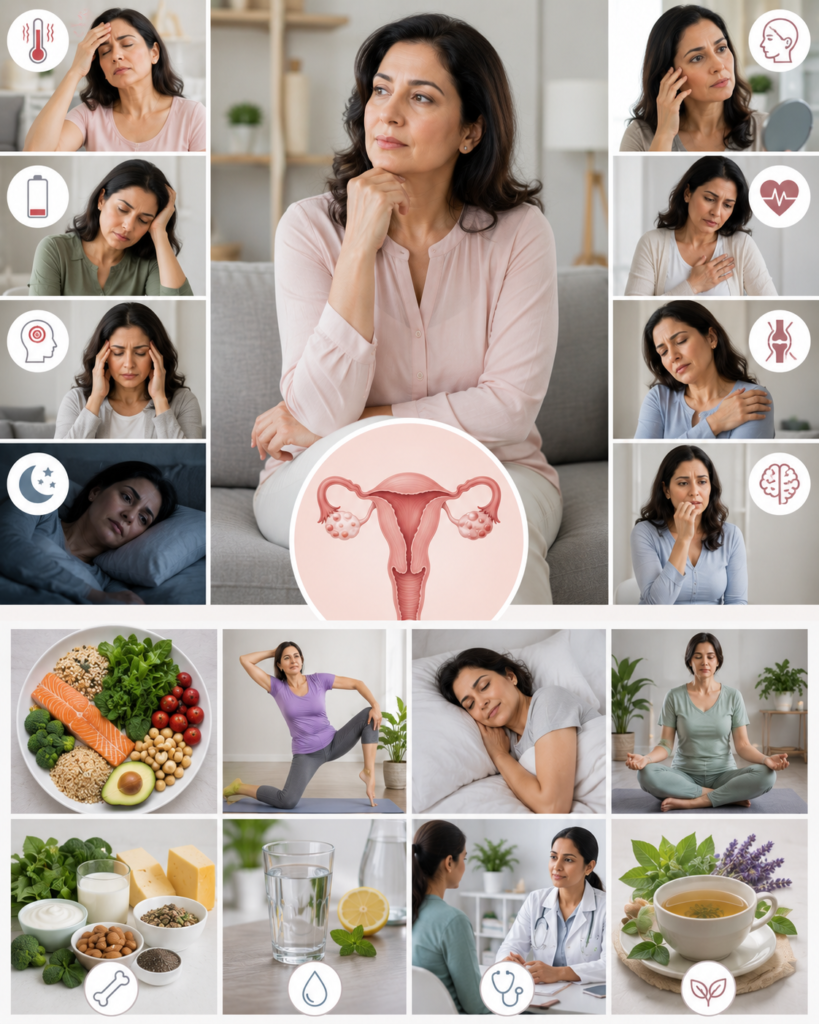
Menopause Health Guide: Symptoms, Stages, Treatment, and Healthy Living
Menopause is a natural stage in a woman’s life that marks the end of menstrual cycles and reproductive years. It occurs due to a gradual decline in hormone production, particularly estrogen and progesterone. Although menopause is a normal biological process, it can bring physical, emotional, and hormonal changes that affect overall well-being.
Understanding menopause, recognizing its symptoms, and adopting healthy lifestyle habits can help women manage this transition more comfortably and maintain long-term health.
What is Menopause?
Menopause is officially diagnosed when a woman has gone 12 consecutive months without a menstrual period, provided there is no other medical cause. Most women experience menopause between the ages of 45 and 55 years, although the timing can vary.
The years leading up to menopause, known as perimenopause, often involve fluctuating hormone levels and irregular menstrual cycles. After menopause, the postmenopausal stage begins, during which lower hormone levels continue.
Stages of Menopause
1. Perimenopause
This transitional stage may begin several years before menopause.
Common features include:
- Irregular menstrual periods
- Hot flashes
- Mood changes
- Sleep disturbances
- Hormonal fluctuations
2. Menopause
Menopause is confirmed after 12 months without menstruation.
At this stage:
- Ovulation stops
- Estrogen levels decline significantly
- Menstrual periods permanently cease
3. Postmenopause
The years after menopause are known as postmenopause.
Women may experience:
- Continued hot flashes in some cases
- Vaginal dryness
- Increased risk of osteoporosis
- Higher risk of heart disease due to aging and hormonal changes
Common Symptoms of Menopause
Symptoms vary widely among women and may range from mild to severe.
Common symptoms include:
- Irregular periods
- Hot flashes
- Night sweats
- Chills
- Mood swings
- Anxiety or irritability
- Difficulty sleeping
- Fatigue
- Vaginal dryness
- Pain during intercourse
- Reduced libido
- Frequent urination
- Weight gain
- Joint and muscle aches
- Dry skin
- Hair thinning
- Difficulty concentrating or memory changes
What Causes Menopause?
Menopause occurs naturally as ovarian hormone production declines with age.
Other causes include:
- Surgical removal of both ovaries
- Certain cancer treatments
- Radiation therapy involving the pelvic area
- Premature ovarian insufficiency
- Some genetic or autoimmune conditions
Health Risks After Menopause
Lower estrogen levels may increase the risk of certain health conditions, including:
- Osteoporosis
- Bone fractures
- Heart disease
- High cholesterol
- Weight gain
- Type 2 diabetes
- Urinary incontinence
- Vaginal atrophy
Regular health check-ups can help detect and manage these risks early.
How is Menopause Diagnosed?
Diagnosis is usually based on:
- Medical history
- Menstrual history
- Physical examination
- Assessment of symptoms
In selected cases, a healthcare provider may recommend:
- Hormone blood tests
- Thyroid function tests
- Bone density scan
- Blood sugar testing
- Lipid profile
Menopause Treatment Options
Treatment depends on the severity of symptoms, overall health, and personal preferences.
Lifestyle Changes
Healthy habits can help reduce symptoms and improve overall well-being.
Recommended measures include:
- Eating a balanced diet
- Exercising regularly
- Maintaining a healthy weight
- Getting enough sleep
- Managing stress
- Avoiding smoking
- Limiting alcohol intake
- Staying hydrated
Medications
Depending on individual needs, healthcare providers may recommend:
- Hormone therapy for suitable candidates
- Non-hormonal medications to manage specific symptoms
- Vaginal moisturizers or lubricants for vaginal dryness
- Calcium and vitamin D supplements if needed
Treatment should always be individualized after discussing benefits and risks with a qualified healthcare professional.
Healthy Diet During Menopause
A nutritious diet supports bone, heart, and overall health.
Include:
- Fresh fruits
- Vegetables
- Whole grains
- Lean proteins
- Low-fat dairy products
- Calcium-rich foods
- Vitamin D-rich foods
- Nuts and seeds
- Healthy fats
- Adequate water
Limit:
- Sugary foods
- Highly processed foods
- Excess salt
- Saturated fats
- Excess caffeine if it worsens hot flashes
Exercise for Menopausal Health
Regular physical activity can help:
- Maintain healthy body weight
- Strengthen bones
- Improve muscle strength
- Support heart health
- Reduce stress
- Improve sleep quality
- Enhance mood
A combination of aerobic exercise, strength training, flexibility exercises, and balance activities is often beneficial.
When Should You Consult a Doctor?
Seek medical advice if you experience:
- Heavy or prolonged bleeding
- Bleeding after menopause
- Severe hot flashes
- Persistent sleep problems
- Depression or significant mood changes
- Pain during intercourse
- Urinary problems
- Symptoms affecting daily life
- Concerns about bone health
Frequently Asked Questions
At what age does menopause usually occur?
Most women experience menopause between 45 and 55 years, though it may occur earlier or later.
Can pregnancy occur during perimenopause?
Yes. Pregnancy is still possible until menopause is confirmed. Women who wish to avoid pregnancy should discuss appropriate contraception with their healthcare provider.
Does menopause always require treatment?
No. Many women manage symptoms with healthy lifestyle changes, while others benefit from medical treatment based on symptom severity and individual health needs.
Can menopause affect mental health?
Yes. Hormonal changes may contribute to mood swings, anxiety, irritability, or depression in some women. Medical support is available if symptoms become significant.
How can I protect my bones after menopause?
Regular weight-bearing exercise, adequate calcium and vitamin D intake, and routine bone health assessments can help maintain bone strength.
Conclusion
Menopause is a natural stage of life that brings significant hormonal and physical changes. Although symptoms can be challenging, healthy lifestyle choices, regular medical care, and individualized treatment can help women navigate this transition with confidence. Staying informed, maintaining a balanced diet, exercising regularly, and seeking medical advice when needed are important steps toward long-term health and well-being.
Menopause Health Guide | Symptoms, Treatment & Healthy Living | Madurai Doctors