
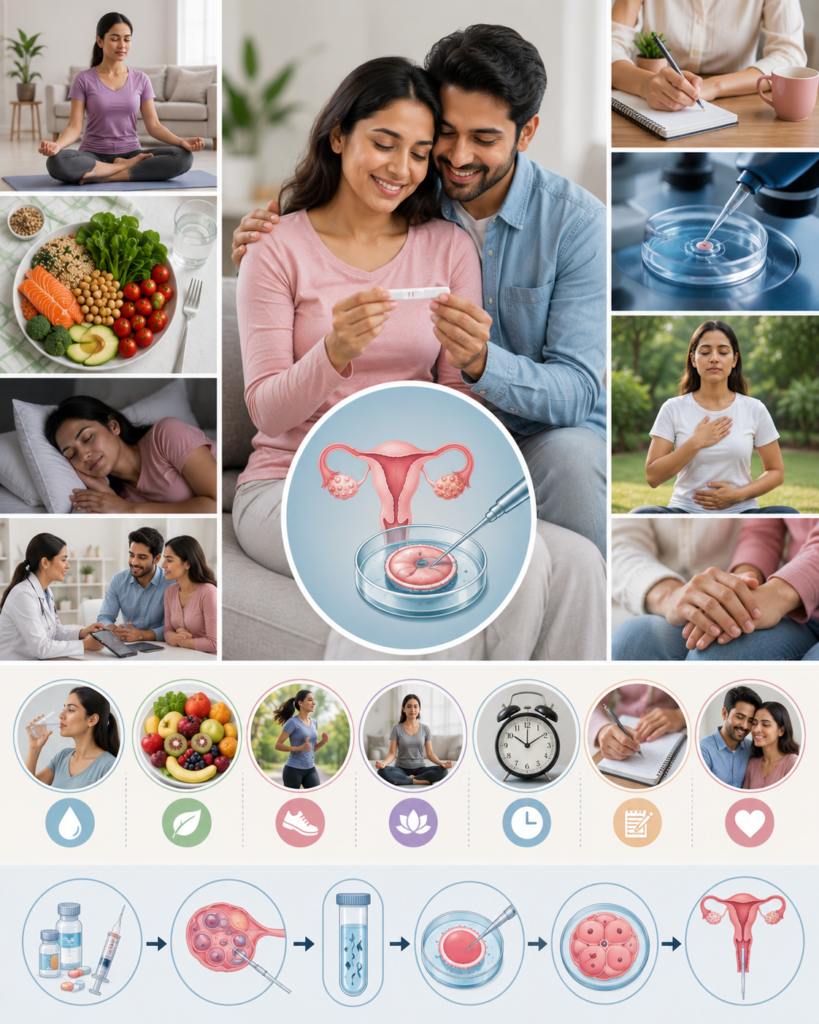
IVF Success Tips: Improve Your Chances of a Healthy Pregnancy
Infertility can be an emotional and challenging journey, but advancements in reproductive medicine have made parenthood possible for many couples. In Vitro Fertilization (IVF) is one of the most successful fertility treatments available today. While no treatment can guarantee pregnancy, following the right medical advice and maintaining a healthy lifestyle can improve your chances of IVF success.
This guide explains practical IVF success tips, factors affecting treatment outcomes, and how to prepare for a successful IVF journey.
What is IVF?
In Vitro Fertilization (IVF) is an assisted reproductive technique where eggs are collected from the ovaries and fertilized with sperm in a laboratory. The resulting embryo is then transferred into the uterus to achieve pregnancy.
IVF is commonly recommended for:
- Blocked fallopian tubes
- Male infertility
- Ovulation disorders
- Endometriosis
- Unexplained infertility
- Age-related fertility decline
Factors That Affect IVF Success
Several factors influence IVF outcomes, including:
- Woman’s age
- Egg quality
- Sperm quality
- Embryo quality
- Uterine health
- Lifestyle habits
- Underlying medical conditions
- Experience of the fertility specialist
Understanding these factors helps patients prepare better for treatment.
Top IVF Success Tips
1. Choose an Experienced Fertility Specialist
The expertise of your fertility doctor and embryology laboratory significantly impacts treatment outcomes. Proper evaluation and personalized treatment plans improve success rates.
2. Maintain a Healthy Weight
Being overweight or underweight can affect hormone levels and reduce fertility.
Aim for:
- Balanced nutrition
- Regular exercise
- Healthy Body Mass Index (BMI)
3. Eat a Fertility-Friendly Diet
Include foods rich in:
- Fresh fruits
- Vegetables
- Whole grains
- Lean proteins
- Healthy fats
- Nuts and seeds
- Dairy products (if suitable)
Stay hydrated and avoid processed foods.
4. Take Prescribed Supplements
Your fertility doctor may recommend:
- Folic acid
- Vitamin D
- Iron
- Omega-3 fatty acids
- Prenatal vitamins
Avoid self-medication without medical advice.
5. Quit Smoking and Alcohol
Smoking reduces egg quality and sperm health.
Avoid:
- Cigarettes
- Alcohol
- Tobacco products
- Recreational drugs
These habits can lower IVF success rates.
6. Reduce Stress
Although stress alone does not cause infertility, managing stress can improve overall well-being during treatment.
Helpful methods include:
- Meditation
- Yoga
- Deep breathing
- Reading
- Listening to music
- Spending time with family
7. Sleep Well
Aim for 7–9 hours of quality sleep every night.
Good sleep supports:
- Hormonal balance
- Immune function
- Overall reproductive health
8. Follow Medication Instructions Carefully
IVF medications must be taken exactly as prescribed.
Never:
- Skip doses
- Change dosage
- Delay injections
Always follow your fertility specialist’s instructions.
9. Attend Every Appointment
Regular monitoring helps doctors evaluate:
- Follicle growth
- Hormone levels
- Egg maturation
- Embryo development
Timely appointments ensure the treatment progresses safely.
10. Avoid Excessive Physical Activity
Light walking is generally acceptable, but avoid:
- Heavy lifting
- Intense gym workouts
- High-impact sports
Your doctor will advise appropriate activity levels during treatment.
11. Limit Caffeine Intake
Moderate caffeine consumption is usually considered safe.
Try to:
- Limit coffee
- Reduce energy drinks
- Avoid excessive caffeinated beverages
12. Stay Positive and Patient
IVF may require multiple treatment cycles.
Maintain realistic expectations and stay connected with your healthcare team throughout the process.
Tips for Male Partners
Male fertility is equally important.
Men should:
- Maintain healthy weight
- Avoid smoking
- Limit alcohol
- Exercise regularly
- Eat nutritious foods
- Avoid excessive heat exposure to the testes
- Get adequate sleep
Healthy sperm contributes to better embryo quality.
Foods That Support Fertility
Consider including:
- Spinach
- Broccoli
- Eggs
- Fish
- Greek yogurt
- Berries
- Citrus fruits
- Avocados
- Almonds
- Walnuts
- Pumpkin seeds
- Whole grains
A balanced diet supports reproductive health but cannot replace medical treatment.
What to Avoid During IVF
Avoid:
- Smoking
- Alcohol
- Recreational drugs
- Excessive caffeine
- Crash dieting
- Stressful overexertion
- Unapproved herbal supplements
- Missing medications
- Skipping follow-up visits
Common IVF Myths
Myth: Bed rest after embryo transfer improves success.
Fact: Routine bed rest has not been shown to improve pregnancy rates. Follow your doctor’s recommendations regarding activity.
Myth: IVF always results in twins.
Fact: Modern IVF often involves transferring a single embryo to reduce the chance of multiple pregnancies.
Myth: IVF guarantees pregnancy.
Fact: IVF improves the chance of pregnancy, but success depends on several medical factors.
When Should You Consult a Fertility Specialist?
Consider consulting a fertility specialist if:
- You’re under 35 and have tried to conceive for 12 months without success.
- You’re 35 or older and have tried for 6 months without success.
- You have irregular periods.
- You have recurrent miscarriages.
- You have known fertility conditions.
- You have severe male infertility factors.
Early evaluation can help identify the most appropriate treatment options.
Frequently Asked Questions
How successful is IVF?
Success rates vary based on age, embryo quality, underlying fertility issues, and overall health. Your fertility specialist can provide an individualized estimate.
Can stress reduce IVF success?
Stress management is beneficial for overall well-being, though stress alone is not considered a direct cause of IVF failure.
Is exercise allowed during IVF?
Light to moderate activity is often acceptable, but strenuous exercise is generally discouraged during treatment. Follow your doctor’s guidance.
Should both partners prepare for IVF?
Yes. Healthy lifestyle habits for both partners can support reproductive health and optimize treatment conditions.
Conclusion
IVF has helped millions of families achieve pregnancy, but success depends on multiple factors, including medical care, lifestyle, and adherence to treatment. Following your fertility specialist’s advice, eating a balanced diet, avoiding harmful habits, managing stress, and attending regular follow-ups can support the best possible outcome. Every fertility journey is unique, and personalized medical guidance remains the most important factor in IVF care.