
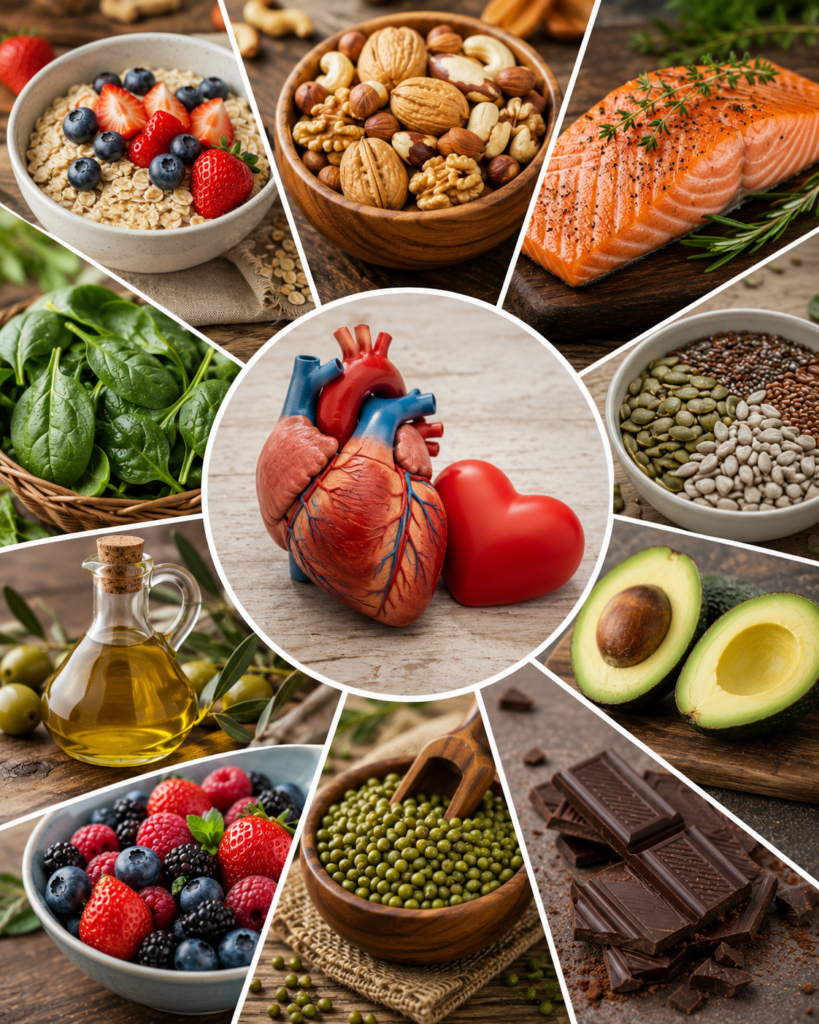
Foods That Improve Heart Health: A Complete Guide to Eating for a Stronger Heart
Heart health is closely linked to the foods we eat every day. A balanced diet rich in nutrient-dense foods can help maintain healthy blood pressure, improve cholesterol levels, reduce inflammation, and lower the risk of cardiovascular diseases. Along with regular exercise, quality sleep, and healthy lifestyle habits, a heart-friendly diet plays an important role in long-term wellness.
This guide explores the best foods that improve heart health and offers practical tips for building a nutritious diet.
Why Heart-Healthy Foods Matter
The heart works continuously to pump blood throughout the body. Poor dietary habits, excessive salt, unhealthy fats, and processed foods can increase the risk of conditions such as high blood pressure, high cholesterol, coronary artery disease, and stroke.
Choosing heart-healthy foods can help:
- Maintain healthy cholesterol levels
- Support normal blood pressure
- Improve blood circulation
- Reduce inflammation
- Help maintain a healthy weight
- Lower the risk of heart disease
- Promote overall cardiovascular health
Healthy eating is beneficial for people of all ages, whether they are preventing heart disease or managing existing risk factors.
Eat More Fruits and Vegetables
Fruits and vegetables are packed with vitamins, minerals, fiber, and antioxidants that support heart health.
Excellent choices include:
- Apples
- Oranges
- Berries
- Guava
- Pomegranate
- Papaya
- Spinach
- Broccoli
- Carrots
- Tomatoes
- Beetroot
Aim to include a variety of colorful fruits and vegetables in your daily meals for maximum nutritional benefits.
Choose Whole Grains
Whole grains contain more fiber and nutrients than refined grains and can help improve cholesterol and blood sugar levels.
Healthy options include:
- Oats
- Brown rice
- Whole wheat
- Millets
- Barley
- Quinoa
Replacing refined grains with whole grains supports overall cardiovascular health.
Include Healthy Fats
Not all fats are harmful. Unsaturated fats can support healthy cholesterol levels when consumed in moderation.
Good sources include:
- Almonds
- Walnuts
- Flaxseeds
- Chia seeds
- Sunflower seeds
- Olive oil
- Groundnut oil
- Fatty fish rich in omega-3 fatty acids
Limit foods that contain trans fats and excessive saturated fats.
Eat Lean Protein
Protein is an essential part of a balanced heart-healthy diet.
Choose:
- Fish
- Skinless chicken
- Lentils
- Beans
- Chickpeas
- Soy products
- Tofu
- Low-fat dairy products
Including plant-based proteins regularly may provide additional heart health benefits.
Add Fiber-Rich Foods
Dietary fiber helps reduce LDL (“bad”) cholesterol and supports digestive health.
High-fiber foods include:
- Oats
- Whole grains
- Fruits
- Vegetables
- Legumes
- Beans
- Seeds
Increasing fiber intake gradually while drinking enough water can improve digestive comfort.
Eat Fish Rich in Omega-3 Fatty Acids
Omega-3 fatty acids are associated with improved heart health.
Examples include:
- Salmon
- Sardines
- Mackerel
- Tuna
For people who do not eat fish, plant sources such as flaxseeds, chia seeds, and walnuts also provide beneficial omega-3 fats.
Reduce Salt Intake
Too much sodium may increase blood pressure.
Simple ways to reduce salt include:
- Cooking with less salt
- Limiting packaged and processed foods
- Choosing fresh ingredients
- Flavoring meals with herbs, garlic, ginger, lemon, and spices instead of excess salt
Most adults benefit from keeping sodium intake within recommended limits.
Limit Added Sugar
High sugar intake may contribute to weight gain, diabetes, and heart disease.
Reduce consumption of:
- Soft drinks
- Sugary beverages
- Sweets
- Cakes
- Cookies
- Sweetened breakfast cereals
- Packaged desserts
Choose naturally sweet fruits instead of processed sugary snacks whenever possible.
Stay Hydrated
Adequate hydration supports healthy circulation and overall body function.
Drink sufficient water throughout the day and limit beverages with added sugars.
Foods to Limit for Better Heart Health
Reducing certain foods may help lower cardiovascular risk.
Limit:
- Deep-fried foods
- Processed meats
- Fast food
- Packaged snacks
- Foods high in trans fats
- Excess butter and ghee
- Sugary drinks
- Highly processed baked goods
- Excess salt
Making healthier substitutions over time can significantly improve diet quality.
Healthy Lifestyle Habits That Support Heart Health
Diet is only one part of maintaining a healthy heart.
Additional healthy habits include:
- Exercise regularly
- Maintain a healthy body weight
- Avoid smoking and tobacco products
- Limit alcohol consumption
- Sleep 7–9 hours each night
- Manage stress through relaxation techniques
- Monitor blood pressure, cholesterol, and blood sugar regularly
A combination of healthy habits offers the greatest protection for long-term cardiovascular health.
Signs That Should Not Be Ignored
Seek immediate medical attention if you experience:
- Chest pain or pressure
- Shortness of breath
- Pain spreading to the arm, neck, jaw, or back
- Sudden dizziness
- Fainting
- Rapid or irregular heartbeat
- Unexplained swelling of the legs
Early medical evaluation is essential for diagnosing and treating heart-related conditions.
Simple Daily Heart-Healthy Checklist
Follow these habits each day:
- Eat at least five servings of fruits and vegetables.
- Choose whole grains instead of refined grains.
- Include lean protein with meals.
- Eat healthy fats in moderation.
- Reduce salt and added sugar.
- Drink enough water.
- Stay physically active.
- Get adequate sleep.
- Manage stress effectively.
- Schedule regular health check-ups.
Conclusion
A heart-healthy diet is one of the most effective ways to protect your cardiovascular system and improve overall well-being. By choosing fruits, vegetables, whole grains, healthy fats, lean proteins, and fiber-rich foods while limiting processed foods, excess salt, and added sugar, you can support a healthier heart for years to come. Combined with regular exercise and routine medical care, healthy eating forms the foundation of lifelong heart wellness.