
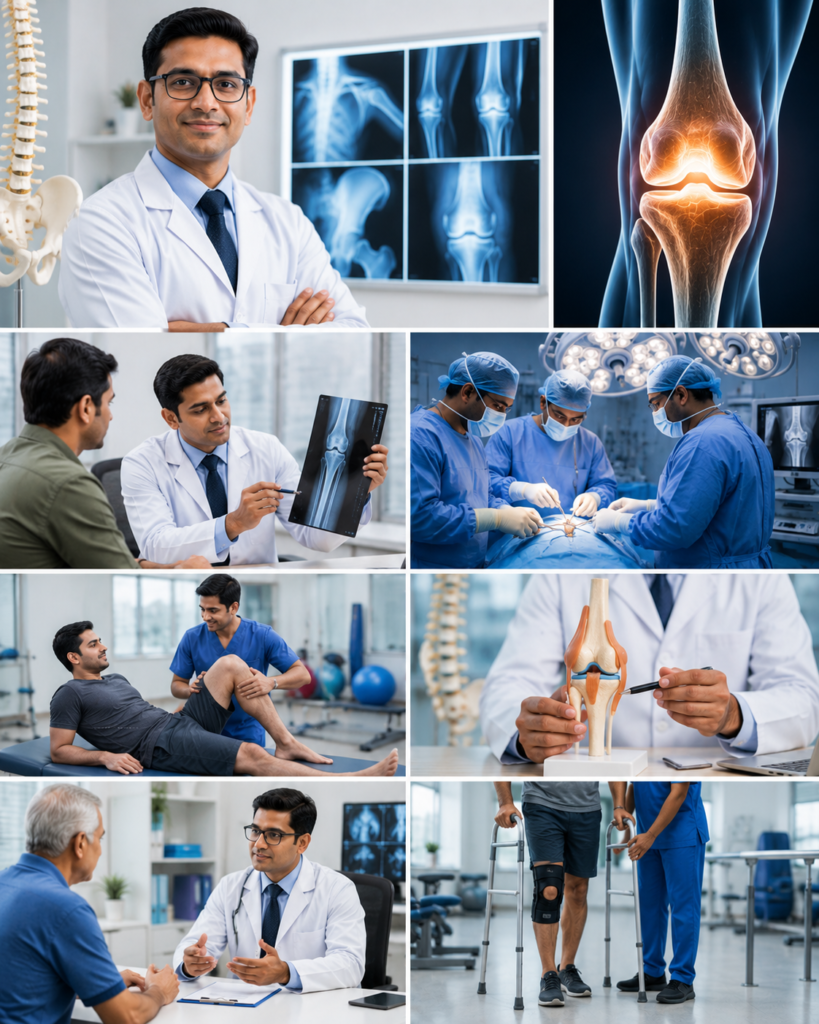
Best Orthopedic Doctors in Madurai: Complete Guide to Bone & Joint Care
Bone and joint health is essential for maintaining an active and pain-free lifestyle. Whether you’re dealing with arthritis, back pain, fractures, sports injuries, or joint stiffness, consulting an experienced orthopedic doctor can help you receive the right diagnosis and treatment.
Madurai is known for its skilled orthopedic specialists and advanced healthcare facilities that provide comprehensive care for musculoskeletal conditions. This guide from MaduraiDoctors explains when to consult an orthopedic doctor, the conditions they treat, available treatment options, and tips for choosing the right specialist.
What Does an Orthopedic Doctor Do?
An orthopedic doctor specializes in diagnosing, treating, preventing, and rehabilitating conditions affecting the:
- Bones
- Joints
- Muscles
- Ligaments
- Tendons
- Spine
Orthopedic specialists treat patients of all ages, from children with congenital bone disorders to older adults with age-related joint conditions.
When Should You See an Orthopedic Doctor?
Consider consulting an orthopedic specialist if you experience:
- Persistent joint pain
- Back or neck pain
- Bone fractures
- Knee pain
- Hip pain
- Shoulder pain
- Sports injuries
- Difficulty walking
- Joint swelling
- Reduced range of motion
- Muscle weakness
- Recurrent sprains
Early diagnosis often prevents complications and promotes faster recovery.
Common Conditions Treated by Orthopedic Doctors
Arthritis
Arthritis causes inflammation of the joints, leading to pain, stiffness, and reduced mobility. Common forms include osteoarthritis and rheumatoid arthritis.
Bone Fractures
Orthopedic doctors diagnose and treat simple and complex fractures using casts, braces, or surgery when necessary.
Sports Injuries
Athletes and active individuals may develop:
- Ligament tears
- Tendon injuries
- Muscle strains
- Meniscus injuries
- Shoulder dislocations
Proper rehabilitation is essential for a safe return to activity.
Spine Disorders
Orthopedic specialists manage various spinal conditions, including:
- Herniated discs
- Sciatica
- Degenerative spine disease
- Scoliosis
- Chronic back pain
Osteoporosis
Weak and brittle bones increase the risk of fractures, especially among older adults. Early diagnosis and treatment help reduce complications.
Joint Disorders
Common joint conditions include:
- Frozen shoulder
- Knee degeneration
- Hip disorders
- Ankle instability
- Elbow injuries
Treatment depends on the severity and underlying cause.
Diagnostic Services
Orthopedic doctors may recommend diagnostic tests such as:
- X-rays
- MRI scans
- CT scans
- Bone density testing
- Ultrasound imaging
- Blood tests (for inflammatory conditions)
- Joint fluid analysis (when indicated)
Accurate diagnosis helps determine the most effective treatment plan.
Treatment Options
Treatment varies based on the condition and its severity.
Non-Surgical Treatments
Many orthopedic conditions improve with conservative care, including:
- Medications
- Physiotherapy
- Lifestyle modifications
- Weight management
- Exercise programs
- Braces and supports
- Joint injections (when appropriate)
Surgical Treatments
If non-surgical methods are insufficient, orthopedic surgeons may recommend procedures such as:
- Joint replacement surgery
- Arthroscopic surgery
- Fracture fixation
- Spine surgery
- Ligament reconstruction
- Tendon repair
The decision for surgery is based on individual patient needs and medical evaluation.
Importance of Physiotherapy
Rehabilitation is an important part of orthopedic care.
Physiotherapy helps patients:
- Improve flexibility
- Restore muscle strength
- Reduce pain
- Improve balance
- Recover after surgery
- Prevent future injuries
Following a rehabilitation program can significantly improve long-term outcomes.
How to Choose the Right Orthopedic Doctor
When selecting an orthopedic specialist, consider the following:
Qualifications
Ensure the doctor has recognized orthopedic training and relevant certifications.
Experience
Doctors with extensive experience often manage a broader range of orthopedic conditions and surgical procedures.
Specialization
Some orthopedic doctors focus on specific areas such as:
- Joint replacement
- Spine surgery
- Sports medicine
- Trauma care
- Pediatric orthopedics
- Hand surgery
Choosing a specialist based on your condition can improve treatment outcomes.
Communication
A good orthopedic doctor should explain:
- Your diagnosis
- Available treatment options
- Expected recovery time
- Possible risks
- Rehabilitation requirements
Clear communication helps patients make informed healthcare decisions.
Preparing for Your Appointment
Before visiting your orthopedic doctor, carry:
- Previous X-rays
- MRI or CT scan reports
- Blood test reports
- Previous prescriptions
- List of current medications
- Medical history
- Details of previous surgeries (if any)
Being prepared allows for a more efficient consultation.
Questions to Ask Your Orthopedic Doctor
Useful questions include:
- What is causing my pain?
- Do I need additional imaging?
- Can my condition be treated without surgery?
- How long will recovery take?
- What activities should I avoid?
- Will physiotherapy help?
- When should I return for follow-up?
These questions can help you better understand your treatment plan.
Tips for Healthy Bones and Joints
Maintaining musculoskeletal health involves simple daily habits.
- Exercise regularly.
- Maintain a healthy body weight.
- Eat calcium-rich foods.
- Ensure adequate vitamin D intake.
- Practice good posture.
- Use proper lifting techniques.
- Wear supportive footwear.
- Avoid smoking.
- Limit alcohol consumption.
- Stay physically active throughout the day.
Healthy lifestyle choices reduce the risk of many orthopedic conditions.
Frequently Asked Questions
When should I consult an orthopedic doctor?
You should consult an orthopedic specialist if you have persistent joint pain, fractures, sports injuries, chronic back pain, reduced mobility, or recurring bone and muscle problems.
Can orthopedic conditions be treated without surgery?
Yes. Many conditions respond well to medication, physiotherapy, exercise, lifestyle changes, and other non-surgical treatments. Surgery is considered when conservative treatment does not provide sufficient relief.
What is joint replacement surgery?
Joint replacement involves removing a damaged joint and replacing it with an artificial implant to improve movement and reduce pain. It is commonly performed for severe arthritis affecting the knee or hip.
How can I keep my bones healthy?
A balanced diet, regular exercise, adequate calcium and vitamin D, maintaining a healthy weight, and routine medical check-ups all contribute to strong bones and healthy joints.
Conclusion
Madurai offers access to experienced orthopedic doctors who provide comprehensive care for bone, joint, muscle, and spine conditions. Whether you need treatment for a sports injury, arthritis, fracture, or chronic back pain, consulting a qualified orthopedic specialist can help restore mobility and improve your quality of life. Early diagnosis, personalized treatment, and consistent rehabilitation remain the keys to achieving long-term musculoskeletal health.