
Parkinson’s Disease Symptoms – Early Signs, Causes, Diagnosis, and Treatment | MaduraiDoctors
Parkinson’s disease is a progressive neurological disorder that primarily affects movement, balance, and coordination. It develops gradually and can impact daily activities as symptoms become more noticeable over time. While there is currently no cure, early diagnosis and appropriate treatment can help manage symptoms, improve mobility, and enhance quality of life.
This guide explains the symptoms of Parkinson’s disease, its causes, risk factors, diagnosis, treatment options, and practical tips for living well with the condition.
What is Parkinson’s Disease?
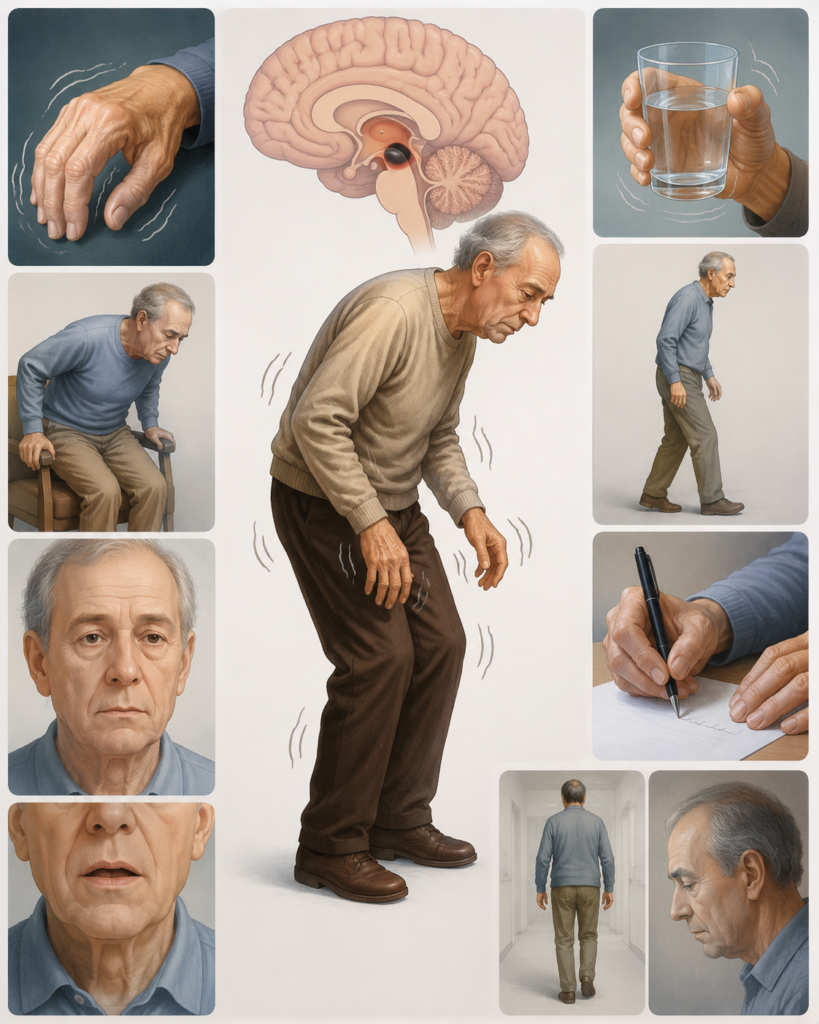
Parkinson’s disease is a disorder of the nervous system caused by the gradual loss of nerve cells in a part of the brain responsible for controlling movement. These cells produce dopamine, a chemical messenger that helps coordinate smooth and balanced muscle movements.
As dopamine levels decrease, movement becomes slower, stiffer, and less coordinated, leading to the characteristic symptoms of Parkinson’s disease.
Early Symptoms of Parkinson’s Disease
Early signs can be subtle and may affect only one side of the body initially.
Common early symptoms include:
- Mild tremor in one hand or fingers
- Reduced arm swing while walking
- Slower movement than usual
- Muscle stiffness
- Small, cramped handwriting
- Softer or quieter voice
- Reduced facial expressions
- Difficulty getting out of a chair
- Changes in posture
- Loss of balance
Recognizing these symptoms early allows timely medical evaluation and treatment.
Common Symptoms of Parkinson’s Disease
As the condition progresses, symptoms become more noticeable.
Tremor
A resting tremor is one of the most recognizable symptoms.
It commonly affects:
- Hands
- Fingers
- Arms
- Legs
- Chin
- Jaw
The tremor usually decreases during purposeful movement.
Slowness of Movement (Bradykinesia)
People with Parkinson’s disease often experience:
- Slow walking
- Difficulty starting movements
- Reduced blinking
- Trouble performing routine tasks
- Fatigue during simple activities
Muscle Stiffness
Muscle rigidity may occur in:
- Neck
- Shoulders
- Arms
- Legs
Stiffness can cause pain and limit movement.
Balance and Coordination Problems
As Parkinson’s disease advances, balance becomes more challenging.
Symptoms include:
- Frequent falls
- Difficulty turning
- Poor coordination
- Stooped posture
- Shuffling gait
Changes in Speech
Speech may become:
- Soft
- Monotone
- Rapid
- Slurred
Some people may hesitate before speaking.
Changes in Handwriting
Handwriting often becomes:
- Smaller
- Crowded
- Less legible
This change is known as micrographia.
Non-Movement Symptoms
Parkinson’s disease can also affect many body systems beyond movement.
These symptoms may include:
- Loss of sense of smell
- Constipation
- Sleep disturbances
- Depression
- Anxiety
- Fatigue
- Memory problems
- Difficulty concentrating
- Urinary problems
- Low blood pressure on standing
- Excessive sweating
These symptoms can sometimes appear years before movement problems develop.
Causes of Parkinson’s Disease
The exact cause remains unknown, but several factors are believed to contribute.
Possible causes include:
- Loss of dopamine-producing brain cells
- Genetic factors
- Environmental exposures
- Aging
- Oxidative stress
- Changes in brain proteins
Most cases result from a combination of genetic and environmental influences.
Risk Factors
Certain factors increase the likelihood of developing Parkinson’s disease.
These include:
- Age over 60 years
- Family history
- Male gender
- Exposure to certain pesticides or toxins
- Previous head injuries
- Environmental factors
Having one or more risk factors does not necessarily mean a person will develop the disease.
How Parkinson’s Disease is Diagnosed
There is no single test that confirms Parkinson’s disease.
Diagnosis is based on:
- Detailed medical history
- Neurological examination
- Review of symptoms
- Assessment of movement and balance
- Response to Parkinson’s medications
- Brain imaging such as MRI or CT scan to rule out other conditions when needed
Regular follow-up helps monitor disease progression and treatment effectiveness.
Treatment Options
Treatment aims to reduce symptoms, improve mobility, and maintain independence.
Medications
Doctors may prescribe medications that increase or mimic dopamine activity in the brain. These can help improve movement, reduce stiffness, and control tremors.
Medication plans are individualized based on age, symptoms, and overall health.
Physical Therapy
Physical therapy helps improve:
- Balance
- Flexibility
- Walking
- Muscle strength
- Posture
- Coordination
Regular exercise is an important part of long-term management.
Occupational Therapy
Occupational therapists help individuals perform daily activities more safely and independently by recommending adaptive techniques and assistive devices.
Speech Therapy
Speech therapy can improve:
- Voice volume
- Speech clarity
- Swallowing difficulties
- Communication skills
Surgical Treatment
For selected individuals whose symptoms are not adequately controlled with medication, surgical procedures such as deep brain stimulation (DBS) may be considered after specialist evaluation.
Lifestyle Tips for People with Parkinson’s Disease
Healthy habits can support treatment and improve quality of life.
Helpful strategies include:
- Exercise regularly
- Eat a balanced diet rich in fiber
- Stay well hydrated
- Get adequate sleep
- Practice balance exercises
- Manage stress
- Keep mentally active
- Maintain regular medical appointments
- Take medications exactly as prescribed
Home Safety Tips
Making the home environment safer can reduce the risk of falls.
Recommendations include:
- Remove loose rugs
- Install grab bars in bathrooms
- Improve lighting
- Keep walkways free of clutter
- Wear supportive footwear
- Use mobility aids if recommended
Possible Complications
Without proper management, Parkinson’s disease may lead to:
- Frequent falls
- Difficulty swallowing
- Malnutrition
- Speech difficulties
- Sleep disorders
- Depression
- Anxiety
- Memory impairment
- Reduced independence
Regular medical care can help identify and manage these complications early.
When Should You See a Doctor?
Seek medical evaluation if you notice:
- Persistent tremors
- Slowness of movement
- Muscle stiffness
- Frequent balance problems
- Changes in handwriting
- Difficulty walking
- Ongoing constipation with movement symptoms
- Loss of smell combined with other neurological symptoms
Early diagnosis allows treatment to begin before symptoms significantly interfere with daily life.
Living with Parkinson’s Disease
Many people with Parkinson’s disease continue to lead active and fulfilling lives with appropriate treatment, rehabilitation, and family support. Staying physically active, maintaining social connections, following a healthy lifestyle, and working closely with healthcare professionals can help manage symptoms and preserve independence for as long as possible.
Family members and caregivers also play a key role by providing encouragement, assisting with daily activities when needed, and creating a safe and supportive environment.
Frequently Asked Questions (FAQs)
Is Parkinson’s disease curable?
Currently, there is no cure for Parkinson’s disease. However, medications, therapy, and lifestyle changes can effectively manage symptoms and improve quality of life.
What is the first symptom of Parkinson’s disease?
Many people notice a mild resting tremor, slowed movement, reduced arm swing, or stiffness as early symptoms.
Does Parkinson’s disease only affect older adults?
It is more common in older adults, but younger individuals can develop early-onset Parkinson’s disease, although it is less common.
Can exercise help Parkinson’s disease?
Yes. Regular exercise improves flexibility, strength, balance, mobility, and overall well-being, making it an essential part of treatment.
Is Parkinson’s disease hereditary?
Most cases are not directly inherited, although certain genetic factors may increase the risk in some individuals.
Conclusion
Parkinson’s disease is a progressive neurological condition that affects movement, balance, and many aspects of daily life. Recognizing early symptoms such as tremors, stiffness, slowed movement, and balance problems can lead to timely diagnosis and effective treatment. A combination of medication, rehabilitation therapies, regular exercise, healthy lifestyle habits, and ongoing medical care can help individuals maintain independence and improve their quality of life. Education, family support, and consistent follow-up remain essential components of successful long-term management.