
Dental Implant Guide: Everything You Need to Know About Dental Implants
Missing teeth can affect not only your appearance but also your ability to eat, speak, and maintain good oral health. Dental implants have become one of the most effective and long-lasting solutions for replacing missing teeth. They provide a natural look and function while helping preserve jawbone health. This comprehensive guide by MaduraiDoctors explains everything you need to know about dental implants, including the procedure, benefits, risks, and aftercare.
What Are Dental Implants?
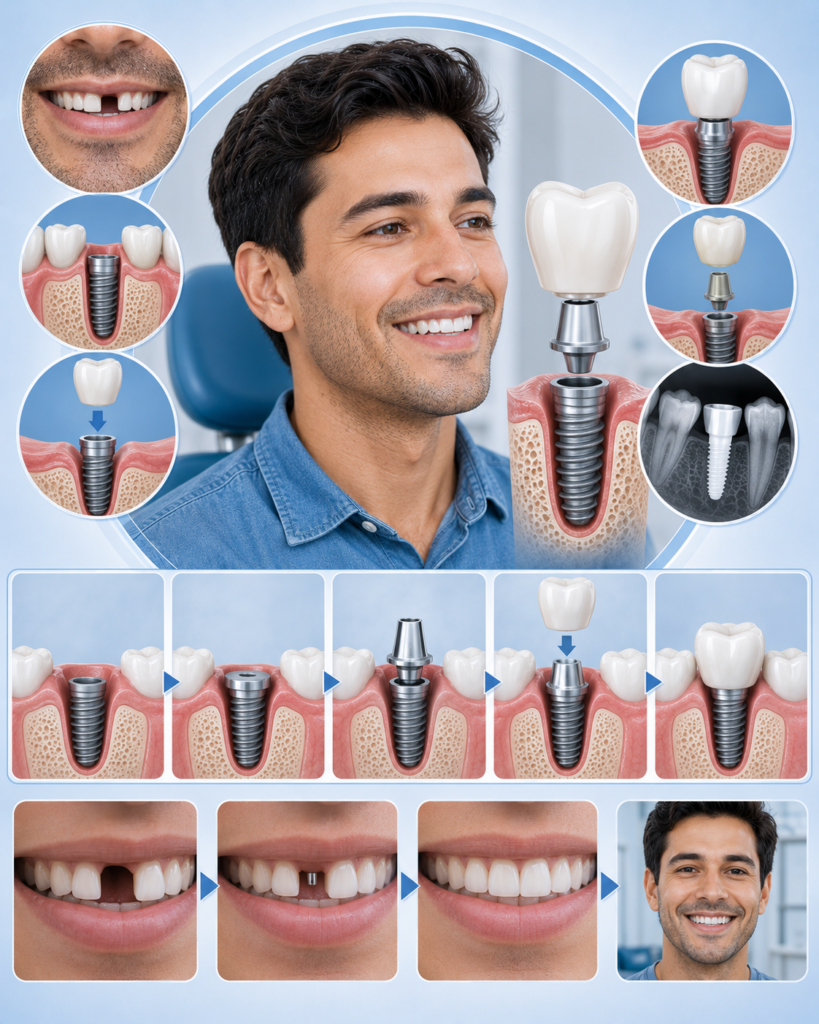
Dental implants are artificial tooth roots, typically made of biocompatible materials such as titanium, that are surgically placed into the jawbone. Once the implant integrates with the bone, it serves as a strong foundation for replacement teeth, such as crowns, bridges, or dentures.
Dental implants are designed to look, feel, and function similarly to natural teeth.
Why Are Dental Implants Needed?
Dental implants may be recommended for individuals who have lost one or more teeth due to:
- Tooth decay
- Gum disease
- Dental trauma or injury
- Congenital absence of teeth
- Failed dental procedures
- Tooth extraction
Replacing missing teeth can help restore both oral function and appearance.
Types of Dental Implants
Several types of dental implant treatments are available depending on individual needs.
Single Tooth Implant
A single implant replaces one missing tooth without affecting neighboring teeth.
Multiple Tooth Implants
Multiple implants can support several replacement teeth when more than one tooth is missing.
Implant-Supported Bridges
These are used when multiple adjacent teeth are missing and provide strong support.
Implant-Supported Dentures
Patients missing most or all teeth may benefit from dentures supported by dental implants.
How Do Dental Implants Work?
Dental implants function by replacing the root of a missing tooth.
The process typically involves:
- Placement of the implant into the jawbone.
- Healing and integration of the implant with the bone.
- Attachment of a connector called an abutment.
- Placement of the artificial tooth or prosthetic restoration.
This process creates a stable and durable tooth replacement.
Who Is a Good Candidate for Dental Implants?
Many adults with missing teeth may be candidates for dental implants.
Ideal candidates generally have:
- Good overall health
- Healthy gums
- Adequate jawbone density
- Good oral hygiene habits
- Commitment to follow-up dental care
A comprehensive dental evaluation helps determine suitability.
Who May Not Be Suitable for Dental Implants?
Certain conditions may require additional evaluation or treatment before implant placement.
These may include:
- Severe gum disease
- Significant bone loss
- Uncontrolled diabetes
- Heavy smoking
- Certain immune disorders
- Poor oral hygiene
- Some medical conditions affecting healing
Dental professionals assess each patient individually.
Benefits of Dental Implants
Dental implants offer numerous advantages over other tooth replacement options.
Natural Appearance
Implants are designed to closely resemble natural teeth.
Improved Chewing Ability
They restore chewing function and help patients eat comfortably.
Better Speech
Unlike loose dentures, implants provide stable support during speaking.
Long-Term Durability
With proper care, dental implants can last for many years.
Preservation of Jawbone
Dental implants help maintain bone structure and reduce bone loss.
Protection of Adjacent Teeth
Unlike traditional bridges, implants do not require alteration of neighboring teeth.
The Dental Implant Procedure
The treatment process usually occurs in several stages.
Initial Consultation
The dentist evaluates:
- Oral health
- Bone quality
- Medical history
- Imaging studies
- Treatment goals
Implant Placement Surgery
During the procedure:
- Local anesthesia is administered.
- The implant is placed into the jawbone.
- The area is allowed to heal.
Osseointegration
Over time, the implant fuses with the jawbone through a process called osseointegration, creating a strong foundation.
Abutment Placement
After healing, an abutment is attached to connect the implant and replacement tooth.
Final Restoration
A custom-made crown, bridge, or denture is placed to complete the treatment.
Bone Grafting and Additional Procedures
Some patients may require additional procedures before implant placement.
These can include:
Bone Grafting
Bone grafting helps rebuild areas with insufficient bone support.
Sinus Lift Procedures
In some upper jaw cases, sinus augmentation may be necessary.
These procedures can improve the chances of successful implant treatment.
Recovery After Dental Implant Surgery
Recovery experiences vary among individuals.
General recovery recommendations include:
- Taking prescribed medications as directed
- Maintaining oral hygiene
- Eating soft foods initially
- Avoiding smoking
- Attending follow-up appointments
- Following all postoperative instructions
Most patients gradually return to normal activities during the healing process.
Possible Risks and Complications
Dental implants have a high success rate, but complications can occasionally occur.
Potential risks include:
- Infection
- Bleeding
- Swelling
- Implant failure
- Nerve injury
- Sinus complications
- Delayed healing
Careful planning and professional treatment help minimize these risks.
How Long Do Dental Implants Last?
Dental implants are designed to be a long-term solution. Their lifespan depends on factors such as:
- Oral hygiene practices
- Overall health
- Lifestyle habits
- Regular dental care
- Smoking status
Proper maintenance can significantly improve long-term success.
Caring for Dental Implants
Maintaining good oral hygiene is essential for implant health.
Recommended practices include:
- Brushing twice daily
- Flossing regularly
- Using recommended oral care products
- Attending routine dental checkups
- Avoiding tobacco use
- Following professional advice
Alternatives to Dental Implants
For individuals who are not candidates for implants, other tooth replacement options may include:
Dental Bridges
Bridges replace missing teeth by using neighboring teeth for support.
Removable Dentures
Dentures provide an alternative solution for replacing multiple missing teeth.
Partial Dentures
Partial dentures may be suitable for replacing several missing teeth.
A dental professional can recommend the most appropriate treatment option.
Frequently Asked Questions About Dental Implants
Are dental implants painful?
Most patients experience minimal discomfort during and after the procedure, as anesthesia and pain management techniques are used.
How long does implant treatment take?
The treatment timeline varies depending on individual healing and treatment requirements.
Are dental implants safe?
Dental implants are considered a safe and well-established treatment when performed by qualified professionals.
Can older adults receive dental implants?
Age alone is not usually a barrier. Overall health and bone quality are more important factors.
When Should You Consult a Dental Professional?
Consider seeking professional advice if you:
- Have missing teeth
- Experience difficulty chewing
- Have loose dentures
- Want a permanent tooth replacement option
- Have concerns about oral health or appearance
Early evaluation can help determine the most suitable treatment plan.
Conclusion
Dental implants provide a reliable, durable, and natural-looking solution for replacing missing teeth. They can restore oral function, improve appearance, and support long-term dental health. Understanding the procedure, benefits, risks, and maintenance requirements helps patients make informed decisions about their treatment options.
This comprehensive MaduraiDoctors dental implant guide emphasizes the importance of professional evaluation, proper treatment planning, and ongoing oral care. If you are considering dental implants or other tooth replacement options, consult a qualified dental professional to determine the best solution for your individual needs.