
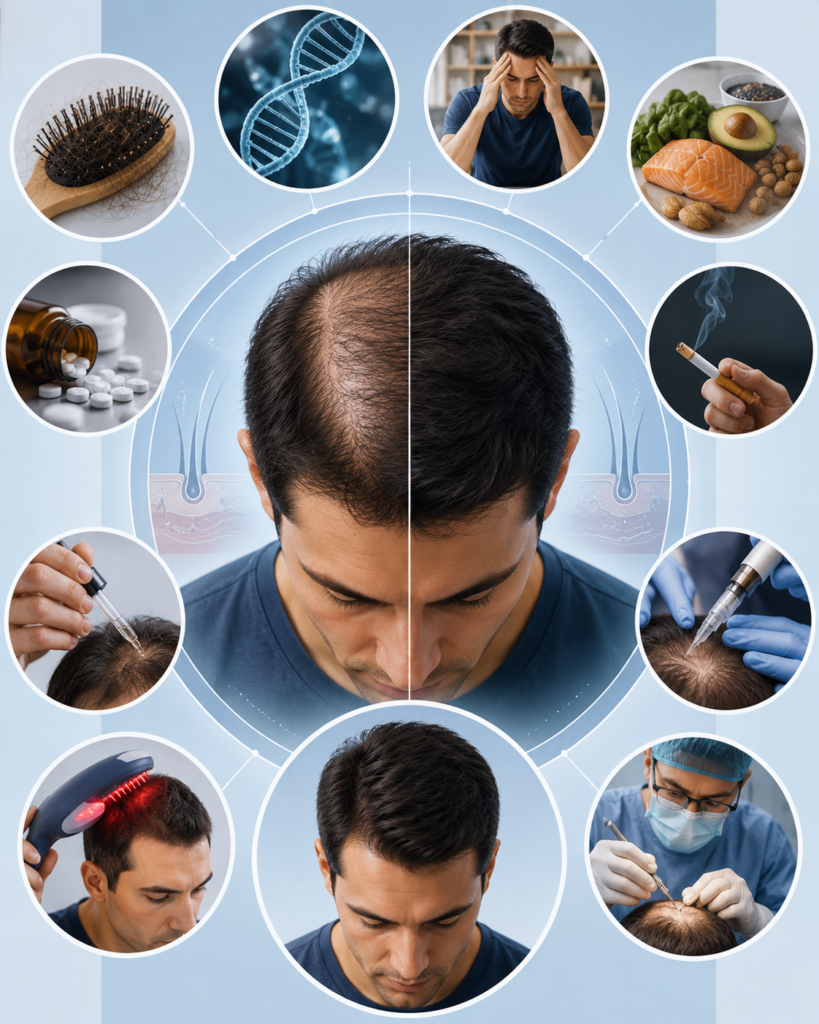
Hair Loss Causes and Treatments: A Complete Guide to Understanding and Managing Hair Fall
Hair loss is a common concern affecting millions of men and women worldwide. While losing some hair daily is a normal part of the hair growth cycle, excessive hair loss can impact confidence and may indicate underlying health issues. This comprehensive guide by MaduraiDoctors explains the common causes of hair loss, available treatment options, and practical ways to maintain healthy hair.
Understanding Hair Loss
Hair loss, medically known as alopecia, occurs when hair falls out faster than it can grow back. It can affect the scalp or other parts of the body and may be temporary or permanent depending on the cause.
A healthy person typically loses around 50 to 100 hairs per day. However, noticeable thinning, bald patches, or excessive shedding may require medical attention.
Common Causes of Hair Loss
1. Genetic Hair Loss
Hereditary hair loss, also known as androgenetic alopecia, is the most common cause of hair thinning in both men and women.
In men, it often presents as:
- Receding hairline
- Thinning at the crown
- Progressive baldness
In women, it usually appears as:
- General thinning of hair
- Widening of the hair part
- Reduced hair volume
2. Hormonal Changes
Hormonal fluctuations can significantly affect hair growth. Common causes include:
- Pregnancy and postpartum changes
- Menopause
- Thyroid disorders
- Polycystic ovary syndrome (PCOS)
- Hormonal imbalances
3. Nutritional Deficiencies
A lack of essential nutrients can weaken hair follicles and contribute to hair loss.
Important nutrients for hair health include:
- Iron
- Protein
- Zinc
- Vitamin D
- Vitamin B12
- Biotin
- Essential fatty acids
4. Stress and Emotional Factors
Physical and emotional stress can trigger temporary hair loss known as telogen effluvium. Common triggers include:
- Major illness
- Surgery
- Emotional trauma
- Chronic stress
- Rapid weight loss
5. Medical Conditions
Several health conditions may cause hair loss, including:
- Thyroid disorders
- Autoimmune diseases
- Scalp infections
- Anemia
- Diabetes
- Chronic illnesses
6. Medications and Treatments
Certain medications may cause hair loss as a side effect, such as:
- Chemotherapy drugs
- Blood pressure medications
- Antidepressants
- Blood thinners
- Some hormonal treatments
7. Hair Styling Practices
Frequent use of harsh hair treatments can damage hair follicles over time.
Examples include:
- Excessive heat styling
- Tight hairstyles
- Chemical treatments
- Frequent coloring or bleaching
- Harsh hair products
Types of Hair Loss
Male Pattern Hair Loss
This hereditary condition affects many men as they age and usually progresses gradually.
Female Pattern Hair Loss
Women typically experience diffuse thinning rather than complete baldness.
Alopecia Areata
An autoimmune condition that causes sudden patchy hair loss.
Telogen Effluvium
Temporary hair shedding caused by stress, illness, or hormonal changes.
Traction Alopecia
Hair loss resulting from repeated tension on the hair roots.
Signs and Symptoms of Hair Loss
Common symptoms include:
- Excessive hair shedding
- Receding hairline
- Thinning hair
- Bald patches
- Widening hair part
- Increased hair fall during washing or combing
- Reduced hair volume
How Is Hair Loss Diagnosed?
Healthcare professionals may recommend several tests to determine the underlying cause.
Medical History and Physical Examination
A detailed evaluation of symptoms, family history, lifestyle, and medical conditions.
Blood Tests
Blood investigations may check for:
- Iron deficiency
- Thyroid disorders
- Vitamin deficiencies
- Hormonal imbalances
Scalp Examination
The scalp and hair follicles are examined for signs of inflammation, infection, or damage.
Hair Pull Test
A simple procedure to assess active hair shedding.
Scalp Biopsy
In some cases, a small sample of scalp tissue may be examined.
Hair Loss Treatment Options
Treatment depends on the underlying cause, severity, and individual health factors.
Medications
Certain medications may help slow hair loss and stimulate hair growth under medical supervision.
Potential options include:
- Topical treatments
- Oral medications
- Hormonal therapies when appropriate
Platelet-Rich Plasma (PRP) Therapy
PRP therapy involves using concentrated platelets from the patient’s blood to stimulate hair follicles and encourage hair growth.
Hair Transplant Surgery
Hair transplantation may be considered for suitable candidates experiencing permanent hair loss.
Common techniques include:
- Follicular Unit Extraction (FUE)
- Follicular Unit Transplantation (FUT)
Low-Level Laser Therapy
Laser therapy may help improve hair density and stimulate hair growth in some individuals.
Treatment of Underlying Medical Conditions
Addressing thyroid disorders, nutritional deficiencies, hormonal problems, or other medical issues can help reduce hair loss.
Natural Ways to Support Healthy Hair
While natural methods may not cure all forms of hair loss, they can support overall hair health.
Eat a Balanced Diet
Include foods rich in:
- Protein
- Iron
- Vitamins
- Minerals
- Healthy fats
Manage Stress
Stress reduction techniques may help minimize stress-related hair loss.
Maintain Proper Hair Care
- Avoid excessive heat styling
- Use gentle hair products
- Avoid overly tight hairstyles
- Protect hair from chemical damage
Get Adequate Sleep
Good sleep supports healthy hormone balance and overall body function.
When Should You See a Doctor?
Consult a healthcare professional if you experience:
- Sudden hair loss
- Patchy bald spots
- Rapid thinning
- Hair loss accompanied by itching or pain
- Hair loss after starting a new medication
- Persistent or worsening symptoms
Early evaluation can help identify treatable causes and improve outcomes.
Can Hair Loss Be Prevented?
Not all types of hair loss can be prevented, especially hereditary forms. However, healthy lifestyle choices and early medical intervention may reduce the risk and slow progression.
Preventive measures include:
- Eating a nutritious diet
- Managing stress
- Avoiding smoking
- Treating medical conditions promptly
- Practicing gentle hair care
- Attending regular health checkups
Conclusion
Hair loss can occur for many reasons, including genetics, hormonal changes, stress, nutritional deficiencies, and medical conditions. Understanding the underlying cause is essential for choosing the most effective treatment approach.
This comprehensive guide by MaduraiDoctors highlights the importance of early diagnosis, professional evaluation, and personalized treatment plans. If you notice unusual hair loss or thinning, seeking medical advice can help identify the cause and provide appropriate treatment options for healthier hair and improved confidence.