
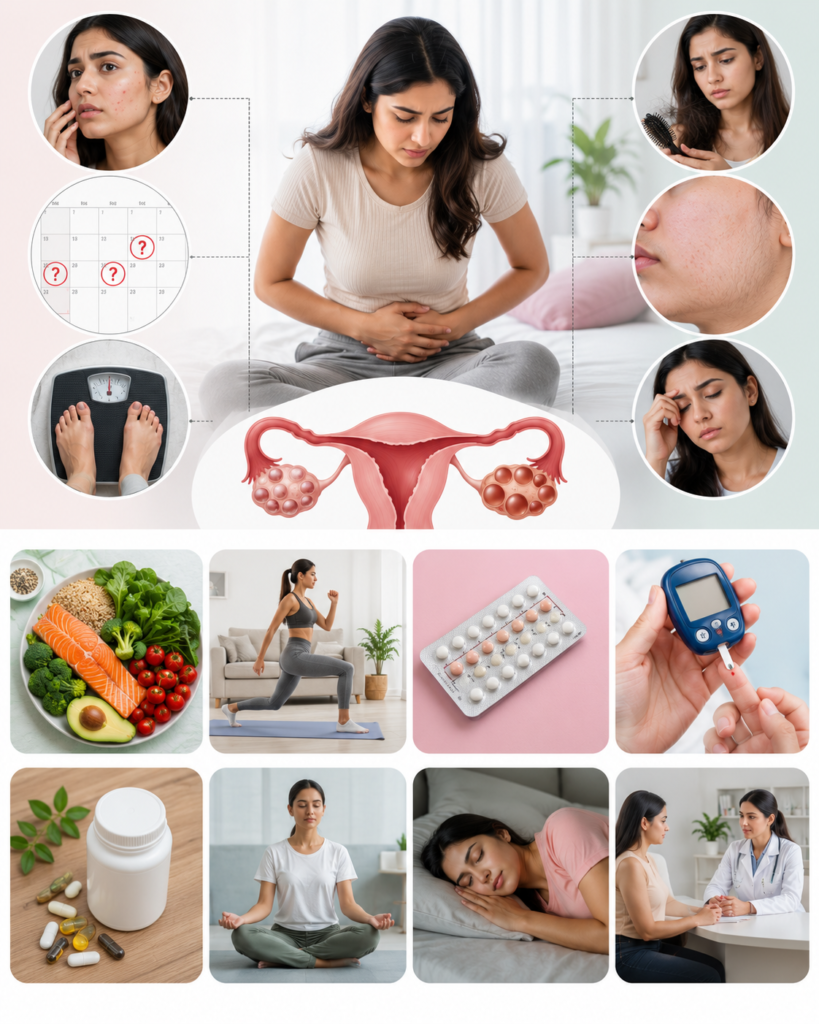
PCOS Symptoms and Treatment: Causes, Diagnosis, Management, and Prevention
Polycystic Ovary Syndrome (PCOS) is one of the most common hormonal disorders affecting women of reproductive age. It can impact menstrual cycles, fertility, metabolism, and overall health. While PCOS is a long-term condition, early diagnosis and appropriate treatment can help manage symptoms, improve quality of life, and reduce the risk of future health complications.
This guide explains the symptoms, causes, diagnosis, treatment options, and lifestyle changes that can help manage PCOS effectively.
What is PCOS?
Polycystic Ovary Syndrome (PCOS) is a hormonal condition in which the ovaries may produce higher-than-normal levels of androgens (male hormones). This hormonal imbalance can interfere with ovulation and lead to irregular menstrual cycles, ovarian cysts, and various metabolic changes.
Not every woman with PCOS has ovarian cysts, and the symptoms can vary widely from person to person.
Common Symptoms of PCOS
PCOS symptoms often begin during adolescence or early adulthood, although they can develop later.
Common symptoms include:
- Irregular or missed menstrual periods
- Heavy or prolonged menstrual bleeding
- Difficulty becoming pregnant due to irregular ovulation
- Excess facial or body hair (hirsutism)
- Acne or oily skin
- Hair thinning or hair loss on the scalp
- Weight gain or difficulty losing weight
- Darkened skin patches, especially around the neck or underarms
- Skin tags
- Pelvic discomfort in some women
- Mood changes
- Fatigue
What Causes PCOS?
The exact cause of PCOS is not fully understood, but several factors are believed to contribute.
These include:
- Hormonal imbalance
- Insulin resistance
- Increased androgen production
- Genetic or family history
- Chronic low-grade inflammation
- Lifestyle and environmental factors
Risk Factors
You may have a higher risk of developing PCOS if you have:
- A family history of PCOS
- Obesity or overweight
- Insulin resistance
- Type 2 diabetes or prediabetes
- A sedentary lifestyle
- Hormonal disorders affecting the ovaries or adrenal glands
Possible Complications of Untreated PCOS
Without proper management, PCOS may increase the risk of:
- Infertility
- Type 2 diabetes
- High blood pressure
- High cholesterol
- Heart disease
- Sleep apnea
- Endometrial hyperplasia
- Endometrial cancer
- Pregnancy complications
- Anxiety and depression
How is PCOS Diagnosed?
Diagnosis usually involves a combination of clinical evaluation and investigations.
A healthcare provider may recommend:
- Detailed medical and menstrual history
- Physical examination
- Pelvic examination
- Pelvic ultrasound
- Blood tests to evaluate hormone levels
- Blood sugar testing
- Lipid profile
- Thyroid function tests when indicated
PCOS Treatment Options
Treatment depends on your symptoms, age, overall health, and whether pregnancy is desired.
Lifestyle Modifications
Lifestyle changes are often the first step in managing PCOS.
These include:
- Achieving and maintaining a healthy weight
- Eating a balanced, nutrient-rich diet
- Regular physical activity
- Limiting processed foods and sugary drinks
- Getting adequate sleep
- Managing stress effectively
Medications
A healthcare provider may prescribe medications to:
- Regulate menstrual cycles
- Support ovulation when pregnancy is desired
- Improve insulin sensitivity
- Reduce acne
- Manage excess hair growth
- Treat associated metabolic conditions
Always take medications only as prescribed by a qualified healthcare professional.
Healthy Diet for PCOS
A balanced eating pattern may help improve insulin sensitivity and support hormone balance.
Include:
- Whole grains
- Fresh vegetables
- Fruits in moderation
- Lean protein
- Healthy fats
- Legumes
- Nuts and seeds
- High-fiber foods
Limit:
- Sugary beverages
- Refined carbohydrates
- Highly processed foods
- Excess saturated fats
Exercise and PCOS
Regular exercise offers several benefits, including:
- Weight management
- Improved insulin sensitivity
- Better hormonal balance
- Enhanced mood
- Reduced cardiovascular risk
Aim for a combination of aerobic exercise and strength training based on your healthcare provider’s recommendations.
When Should You Consult a Doctor?
Seek medical advice if you experience:
- Irregular or absent menstrual periods
- Difficulty conceiving
- Rapid weight gain
- Excess facial or body hair
- Persistent acne
- Hair thinning
- Heavy or prolonged menstrual bleeding
- Pelvic pain
- Symptoms of high blood sugar, such as excessive thirst or frequent urination
Can PCOS Be Prevented?
PCOS cannot always be prevented, particularly when genetics play a role. However, healthy lifestyle habits may reduce the severity of symptoms and lower the risk of complications.
Helpful measures include:
- Maintaining a healthy body weight
- Eating a balanced diet
- Exercising regularly
- Managing stress
- Attending regular health check-ups
- Following prescribed treatment plans
Frequently Asked Questions
Can women with PCOS become pregnant?
Yes. Many women with PCOS can conceive naturally or with appropriate medical treatment and lifestyle modifications.
Is PCOS the same as having ovarian cysts?
No. Although some women with PCOS have multiple small ovarian follicles visible on ultrasound, not everyone with PCOS has ovarian cysts, and ovarian cysts can occur without PCOS.
Does losing weight help PCOS?
For women who are overweight, even modest weight loss may improve menstrual regularity, insulin sensitivity, and ovulation.
Is PCOS a lifelong condition?
PCOS is generally considered a long-term condition, but its symptoms can often be effectively managed with appropriate treatment and healthy lifestyle choices.
Can PCOS increase the risk of diabetes?
Yes. Insulin resistance associated with PCOS can increase the risk of developing prediabetes and type 2 diabetes, making regular monitoring important.
Conclusion
PCOS is a common hormonal condition that affects many aspects of a woman’s health, including menstrual cycles, fertility, metabolism, and emotional well-being. Early diagnosis, regular medical care, a healthy diet, physical activity, and appropriate treatment can help control symptoms and reduce the risk of long-term complications. If you notice signs of PCOS, consulting a qualified healthcare professional is the first step toward effective management.