
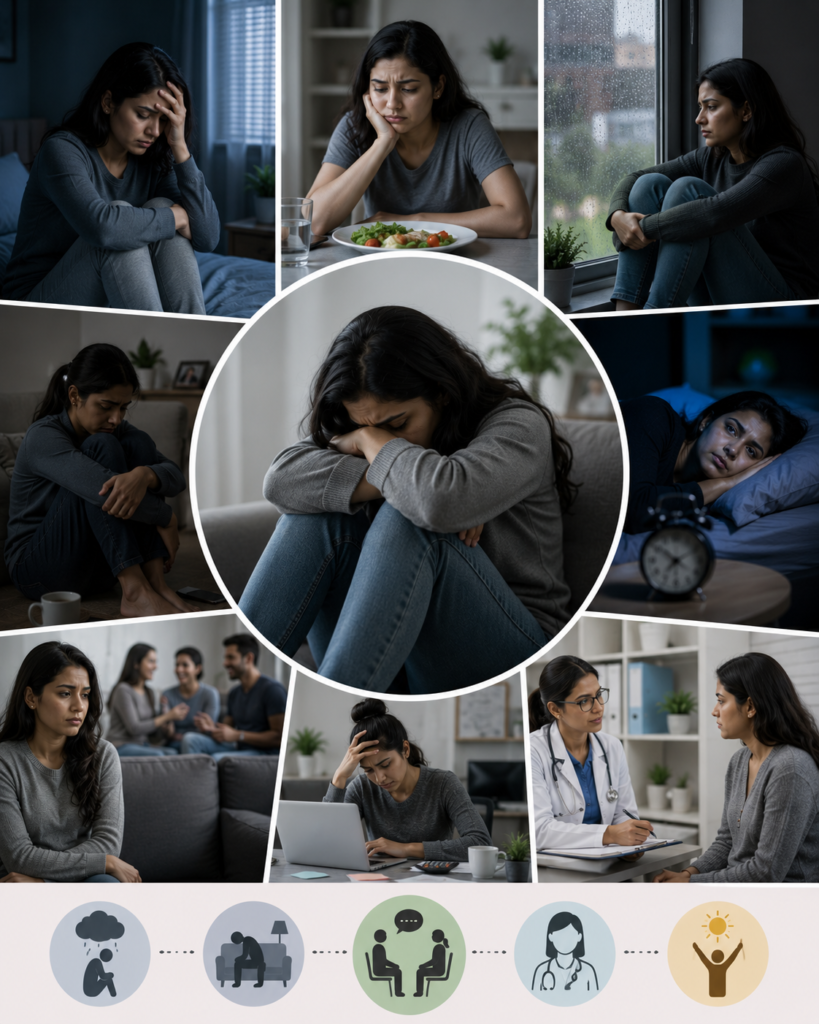
Depression: When to See a Doctor
Depression is more than feeling sad or having a bad day. It is a common mental health condition that can affect the way a person thinks, feels, and behaves. Depression may interfere with work, education, relationships, sleep, appetite, and overall quality of life. The condition can affect people of any age, and with proper treatment, many people recover and lead fulfilling lives.
Understanding the symptoms of depression and knowing when to seek medical help are important steps toward early diagnosis and effective treatment.
What Is Depression?
Depression is a mood disorder characterized by persistent feelings of sadness, hopelessness, or a loss of interest in activities that were once enjoyable. These symptoms last longer than normal emotional responses to life’s challenges and can significantly affect daily functioning.
Depression is a medical condition, not a sign of personal weakness or lack of willpower.
Common Symptoms of Depression
Symptoms can vary from person to person and may be mild, moderate, or severe.
Emotional Symptoms
- Persistent sadness
- Feeling empty or hopeless
- Loss of interest in hobbies and daily activities
- Irritability
- Feelings of guilt or worthlessness
- Low self-confidence
- Difficulty making decisions
- Reduced motivation
Physical Symptoms
- Fatigue or low energy
- Changes in appetite
- Weight gain or weight loss
- Difficulty sleeping or sleeping too much
- Headaches
- Muscle aches
- Digestive discomfort without a clear physical cause
- Slower movements or speech
Cognitive Symptoms
- Poor concentration
- Memory problems
- Difficulty focusing
- Trouble completing routine tasks
- Negative thinking patterns
Symptoms that persist for two weeks or longer should be evaluated by a healthcare professional.
What Causes Depression?
Depression usually results from a combination of biological, psychological, and environmental factors.
Possible causes include:
- Family history of depression
- Chronic stress
- Traumatic life events
- Serious medical conditions
- Hormonal changes
- Certain medications
- Substance misuse
- Lack of social support
In many cases, no single cause can be identified.
Risk Factors
Certain factors increase the likelihood of developing depression:
- Personal or family history of mental health disorders
- Long-term physical illnesses
- Persistent stress
- Major life changes
- Financial difficulties
- Social isolation
- Poor sleep habits
- Alcohol or drug misuse
Having one or more risk factors does not necessarily mean a person will develop depression.
When Should You See a Doctor?
It is important to consult a healthcare professional if you experience:
- Persistent sadness lasting two weeks or longer
- Loss of interest in activities you usually enjoy
- Significant changes in appetite or body weight
- Ongoing sleep problems
- Difficulty concentrating
- Persistent fatigue
- Feelings of hopelessness or worthlessness
- Depression that interferes with work, school, or family life
- Symptoms that continue despite self-care efforts
Early medical evaluation can help identify depression and other health conditions with similar symptoms.
How Depression Is Diagnosed
A healthcare professional may evaluate:
- Medical history
- Emotional and physical symptoms
- Duration of symptoms
- Family history
- Lifestyle habits
- Current medications
- Existing medical conditions
Sometimes additional medical tests may be recommended to rule out physical illnesses such as thyroid disorders, vitamin deficiencies, or other conditions that can mimic depression.
Treatment Options for Depression
Treatment depends on the severity of symptoms and individual needs.
Psychological Therapy
Counseling or psychotherapy can help individuals:
- Understand negative thought patterns
- Develop healthy coping skills
- Improve emotional resilience
- Manage stress more effectively
- Strengthen relationships
Many people benefit significantly from structured therapy sessions.
Medications
Some individuals may require antidepressant medications prescribed by a qualified healthcare professional.
Medication decisions depend on:
- Symptom severity
- Overall health
- Age
- Other medical conditions
- Potential medication interactions
Do not stop or change prescribed medications without medical advice.
Healthy Lifestyle Habits That Support Recovery
Lifestyle changes can complement professional treatment.
Helpful habits include:
- Regular physical activity
- Balanced nutrition
- Adequate sleep
- Daily routines
- Spending time outdoors
- Relaxation techniques
- Staying socially connected
- Limiting alcohol
- Avoiding tobacco and recreational drugs
These habits support overall mental and physical health.
Supporting Someone with Depression
Family and friends play an important role in recovery.
Helpful ways to offer support include:
- Listen without judgment.
- Encourage professional care.
- Stay patient and supportive.
- Help with daily tasks if needed.
- Encourage healthy routines.
- Check in regularly.
Supportive relationships can make recovery easier.
Preventing Depression
Although depression cannot always be prevented, healthy habits may reduce the risk.
These include:
- Managing stress effectively
- Staying physically active
- Maintaining strong social connections
- Sleeping well
- Eating a balanced diet
- Seeking help early for emotional concerns
- Maintaining a healthy work-life balance
Building resilience can improve emotional well-being over time.
When Depression Requires Immediate Medical Attention
Seek urgent medical care if a person:
- Has thoughts of harming themselves
- Talks about suicide or death
- Shows sudden extreme behavioral changes
- Is unable to care for themselves
- Experiences severe confusion or loss of contact with reality
These situations require immediate evaluation by emergency medical services or a qualified mental health professional.
Daily Mental Wellness Checklist
Support your emotional well-being by:
- Sleeping 7–9 hours each night.
- Exercising regularly.
- Eating nutritious meals.
- Staying hydrated.
- Spending time with supportive people.
- Managing stress through relaxation techniques.
- Taking breaks when overwhelmed.
- Limiting alcohol and tobacco.
- Following treatment recommendations if diagnosed.
- Seeking help early if symptoms persist.
Conclusion
Depression is a common and treatable medical condition that should never be ignored. Persistent sadness, loss of interest, sleep disturbances, fatigue, or difficulty functioning are signs that professional medical evaluation may be needed. Early diagnosis and appropriate treatment—including therapy, lifestyle changes, and medication when necessary—can significantly improve recovery and quality of life. Seeking help promptly is an important step toward better mental health and overall well-being.