
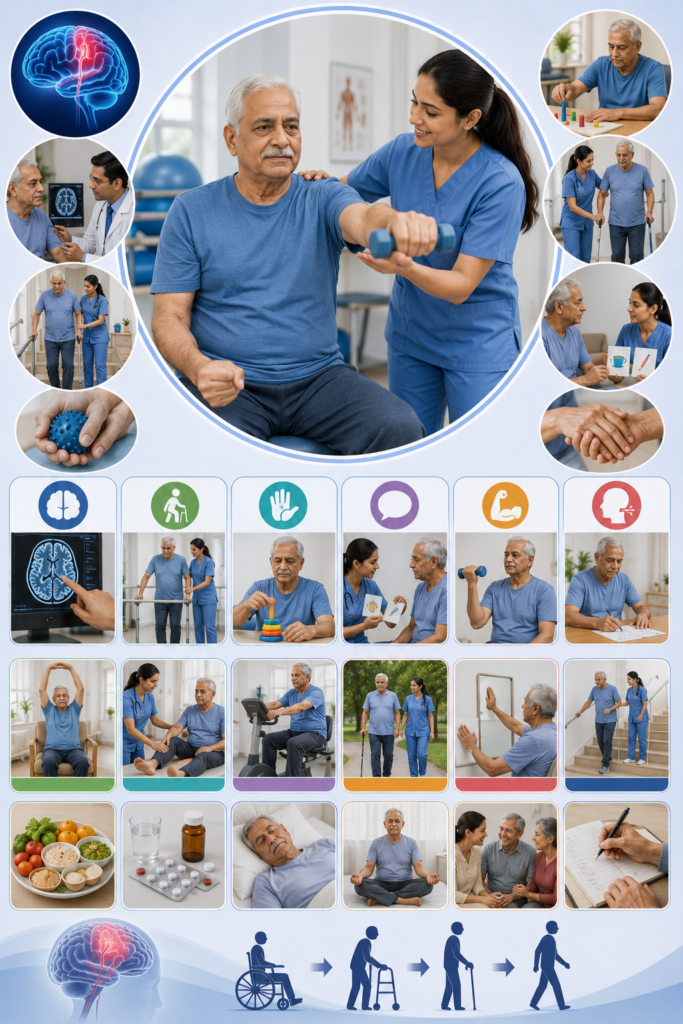
Rehabilitation After Stroke: A Complete Guide to Recovery and Regaining Independence
Stroke rehabilitation is a crucial part of recovery that helps individuals regain physical function, communication skills, independence, and overall quality of life. Recovery after a stroke can vary significantly from person to person, depending on the severity of the stroke, the affected areas of the brain, and the timing of rehabilitation. Early and comprehensive rehabilitation can greatly improve recovery outcomes. This comprehensive guide by MaduraiDoctors explains the importance of stroke rehabilitation, treatment approaches, and strategies for successful recovery.
What Is a Stroke?
A stroke occurs when blood flow to a part of the brain is interrupted or reduced, causing brain cells to become damaged or die. Stroke is a medical emergency that requires immediate treatment.
The two main types of stroke are:
Ischemic Stroke
This occurs when a blood vessel supplying the brain becomes blocked.
Hemorrhagic Stroke
This occurs when a blood vessel in the brain ruptures and causes bleeding.
Both types of stroke can result in significant physical and neurological impairments.
Why Is Stroke Rehabilitation Important?
Stroke rehabilitation aims to help individuals recover lost abilities and adapt to any long-term challenges.
The goals of rehabilitation include:
- Restoring physical function
- Improving communication abilities
- Enhancing mobility
- Supporting emotional health
- Promoting independence
- Improving quality of life
Early rehabilitation often leads to better recovery outcomes.
When Should Stroke Rehabilitation Begin?
Rehabilitation typically begins as soon as the patient’s medical condition becomes stable.
Early intervention can help:
- Prevent complications
- Improve functional recovery
- Reduce disability
- Support faster rehabilitation progress
The rehabilitation process may continue for weeks, months, or even years.
Common Effects of Stroke
Stroke can affect multiple aspects of a person’s health and daily functioning.
Physical Problems
Common physical complications include:
- Muscle weakness
- Paralysis
- Balance problems
- Difficulty walking
- Poor coordination
- Fatigue
Communication Difficulties
Some patients experience:
- Speech difficulties
- Language problems
- Difficulty understanding communication
Cognitive Changes
Stroke may affect:
- Memory
- Attention
- Problem-solving abilities
- Decision-making skills
Emotional Changes
Emotional effects can include:
- Anxiety
- Depression
- Mood changes
- Frustration
- Reduced confidence
Comprehensive rehabilitation addresses all these areas.
Components of Stroke Rehabilitation
Stroke rehabilitation often involves a multidisciplinary approach.
Physical Therapy
Physical therapy helps improve:
- Strength
- Balance
- Coordination
- Mobility
- Walking ability
Therapists design individualized exercise programs based on patient needs.
Occupational Therapy
Occupational therapy focuses on helping patients regain the ability to perform daily activities such as:
- Eating
- Dressing
- Bathing
- Writing
- Household tasks
The goal is to maximize independence.
Speech and Language Therapy
Speech therapists help patients improve:
- Speech clarity
- Language skills
- Communication abilities
- Swallowing function
Early intervention can improve communication outcomes.
Cognitive Rehabilitation
Cognitive therapy may help address:
- Memory problems
- Attention deficits
- Problem-solving difficulties
- Executive function challenges
Specialized exercises support brain recovery and adaptation.
Physical Recovery After Stroke
Physical recovery varies from patient to patient.
Mobility Training
Patients may work on:
- Standing
- Walking
- Transfers
- Balance exercises
- Coordination activities
Muscle Strengthening
Targeted exercises help improve muscle function and endurance.
Flexibility Exercises
Stretching exercises may help reduce stiffness and improve movement.
Regular rehabilitation sessions support ongoing recovery.
Preventing Complications During Rehabilitation
Stroke survivors may be at risk for certain complications.
Preventive measures include:
- Regular movement and exercise
- Proper nutrition
- Skin care
- Fall prevention
- Monitoring medical conditions
- Following treatment plans
Early recognition of complications is important.
Emotional and Psychological Recovery
Emotional healing is an important aspect of stroke recovery.
Common Emotional Challenges
Patients may experience:
- Depression
- Anxiety
- Anger
- Fear
- Emotional stress
Mental Health Support
Helpful interventions may include:
- Counseling
- Family support
- Support groups
- Stress management techniques
- Professional psychological care
Addressing emotional health can improve overall recovery.
Nutrition During Stroke Rehabilitation
A healthy diet supports recovery and long-term health.
Recommended dietary practices include:
- Eating balanced meals
- Consuming adequate protein
- Including fruits and vegetables
- Limiting excessive salt intake
- Maintaining proper hydration
Nutritional recommendations should be individualized.
Importance of Family Support
Family members play an essential role in stroke recovery.
Family support may include:
- Providing encouragement
- Assisting with exercises
- Helping with daily activities
- Supporting emotional well-being
- Encouraging treatment adherence
Positive support can significantly improve rehabilitation outcomes.
Home-Based Stroke Rehabilitation
Many patients continue rehabilitation at home after hospital discharge.
Home rehabilitation may include:
- Exercise programs
- Mobility training
- Speech exercises
- Daily activity practice
- Regular medical follow-up
Home environments should be adapted for safety and accessibility.
Preventing Falls After Stroke
Stroke survivors often have an increased risk of falls.
Safety measures include:
- Removing household hazards
- Using assistive devices when necessary
- Improving home lighting
- Wearing appropriate footwear
- Practicing balance exercises
Fall prevention is an important part of rehabilitation.
Long-Term Recovery After Stroke
Recovery can continue long after the initial stroke event.
Long-term goals may include:
- Increasing independence
- Improving mobility
- Enhancing communication
- Returning to social activities
- Managing chronic health conditions
Progress often occurs gradually over time.
Lifestyle Changes After Stroke
Healthy lifestyle changes can support recovery and reduce future health risks.
Important recommendations include:
- Controlling blood pressure
- Managing diabetes
- Maintaining a healthy diet
- Exercising regularly
- Avoiding tobacco products
- Limiting alcohol consumption
- Taking medications as prescribed
Preventive care remains essential after stroke.
Warning Signs Requiring Medical Attention
Seek immediate medical evaluation if a stroke survivor experiences:
- Sudden weakness
- Difficulty speaking
- New confusion
- Severe headache
- Vision changes
- Chest pain
- Difficulty breathing
- Loss of consciousness
Prompt treatment can prevent serious complications.
Frequently Asked Questions
How long does stroke rehabilitation last?
Recovery duration varies widely depending on the severity of the stroke and individual factors.
Can stroke patients fully recover?
Recovery outcomes vary, and many patients experience significant improvements with rehabilitation.
Is rehabilitation effective for older adults?
Yes. Stroke rehabilitation can benefit individuals of all ages.
When should rehabilitation begin?
Rehabilitation generally starts as soon as the patient is medically stable.
Conclusion
Stroke rehabilitation is an essential component of recovery that helps patients regain function, improve independence, and enhance quality of life. A comprehensive rehabilitation program that addresses physical, emotional, cognitive, and social needs can significantly improve outcomes.
This comprehensive MaduraiDoctors stroke rehabilitation guide emphasizes the importance of early intervention, multidisciplinary care, family support, and ongoing rehabilitation. With proper medical care, rehabilitation services, and continued support, many stroke survivors can achieve meaningful recovery and improved quality of life.