
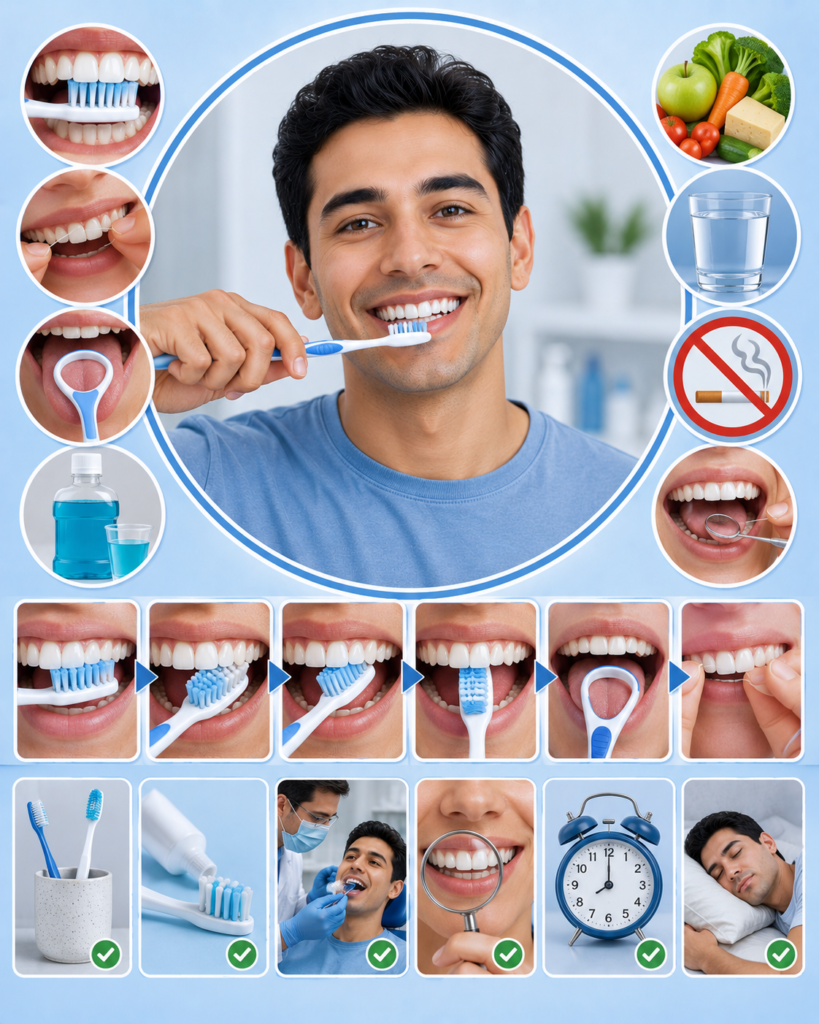
Oral Hygiene Tips: A Complete Guide to Maintaining Healthy Teeth and Gums
Maintaining good oral hygiene is essential for overall health and well-being. Healthy teeth and gums not only contribute to a confident smile but also play an important role in eating, speaking, and preventing various dental problems. Poor oral hygiene can lead to tooth decay, gum disease, bad breath, and other health complications. This comprehensive guide by MaduraiDoctors provides practical oral hygiene tips to help maintain optimal dental health.
Why Is Oral Hygiene Important?
Oral hygiene involves keeping the mouth, teeth, gums, and tongue clean and healthy. Proper oral care helps prevent the buildup of plaque, bacteria, and food particles that can cause dental problems.
Good oral hygiene can help:
- Prevent tooth decay
- Reduce the risk of gum disease
- Maintain fresh breath
- Preserve natural teeth
- Improve overall health
- Enhance confidence and appearance
Common Oral Health Problems
Poor oral hygiene may contribute to several dental conditions, including:
Tooth Decay
Tooth decay occurs when bacteria produce acids that damage tooth enamel.
Gum Disease
Gum disease, also known as periodontal disease, affects the tissues supporting the teeth.
Bad Breath
Persistent bad breath may result from poor oral hygiene and bacterial buildup.
Tooth Sensitivity
Damaged enamel or gum recession can increase tooth sensitivity.
Plaque and Tartar Buildup
Plaque accumulation can harden into tartar if not removed regularly.
Essential Oral Hygiene Tips
Brush Your Teeth Twice Daily
Brushing your teeth regularly is one of the most important oral hygiene practices.
Recommendations include:
- Brush at least twice a day
- Use a soft-bristled toothbrush
- Brush for approximately two minutes
- Clean all surfaces of the teeth
Regular brushing helps remove plaque and food particles.
Use Proper Brushing Technique
Effective brushing involves:
- Holding the toothbrush at an angle to the gums
- Using gentle circular motions
- Cleaning both front and back surfaces
- Brushing the chewing surfaces thoroughly
Avoid aggressive brushing, which may damage teeth and gums.
Replace Your Toothbrush Regularly
Toothbrushes should be replaced periodically or when the bristles become worn.
A worn toothbrush may be less effective at cleaning teeth properly.
Floss Daily
Flossing removes plaque and food particles from areas that a toothbrush cannot easily reach.
Benefits of flossing include:
- Reducing plaque buildup
- Preventing gum disease
- Lowering the risk of tooth decay
- Promoting healthier gums
Daily flossing is an important part of a complete oral hygiene routine.
Clean Your Tongue
The tongue can harbor bacteria that contribute to bad breath and oral health problems.
Tongue cleaning may help:
- Reduce bacteria
- Improve breath freshness
- Enhance oral hygiene
A tongue cleaner or toothbrush can be used gently.
Use Mouthwash Appropriately
Mouthwash may provide additional benefits when used as part of a comprehensive oral care routine.
Potential benefits include:
- Reducing oral bacteria
- Freshening breath
- Supporting gum health
- Helping maintain oral cleanliness
Use mouthwash according to professional recommendations.
Maintain a Healthy Diet
Diet plays an important role in oral health.
Foods That Support Healthy Teeth
Include foods such as:
- Fresh fruits and vegetables
- Dairy products
- Whole grains
- Lean proteins
- Nuts and seeds
Limit Sugary Foods and Drinks
Excessive sugar consumption increases the risk of tooth decay.
Examples include:
- Sugary beverages
- Candies
- Desserts
- Processed snacks
Reducing sugar intake can help protect tooth enamel.
Drink Plenty of Water
Water supports oral health by:
- Washing away food particles
- Helping maintain saliva production
- Reducing bacterial buildup
- Supporting overall health
Drinking water after meals may help improve oral hygiene.
Avoid Tobacco Products
Tobacco use is associated with several oral health problems, including:
- Gum disease
- Tooth discoloration
- Bad breath
- Oral infections
- Increased risk of oral cancers
Avoiding tobacco products benefits both oral and overall health.
Limit Alcohol Consumption
Excessive alcohol consumption may contribute to:
- Dry mouth
- Oral irritation
- Poor oral health outcomes
Moderation can help support healthy oral tissues.
Protect Your Teeth During Sports
Individuals participating in sports activities should consider using protective mouthguards to help prevent dental injuries.
Protective devices may reduce the risk of:
- Broken teeth
- Tooth loss
- Soft tissue injuries
Address Teeth Grinding
Teeth grinding, also known as bruxism, can cause:
- Tooth wear
- Jaw pain
- Headaches
- Dental damage
Consulting a dental professional can help determine appropriate management options.
The Importance of Regular Dental Checkups
Routine dental visits are essential for maintaining good oral health.
Regular examinations can help:
- Detect tooth decay early
- Identify gum disease
- Remove plaque and tartar
- Monitor oral health changes
- Provide preventive care
Professional dental evaluations are important even when no symptoms are present.
Signs You Should Visit a Dentist
Consult a dental professional if you experience:
- Tooth pain
- Bleeding gums
- Persistent bad breath
- Tooth sensitivity
- Loose teeth
- Swollen gums
- Mouth sores that do not heal
- Difficulty chewing
Early treatment can help prevent more serious problems.
Oral Hygiene Tips for Children
Children should develop healthy oral habits early in life.
Helpful practices include:
- Supervising brushing habits
- Encouraging regular dental visits
- Limiting sugary snacks
- Teaching proper brushing techniques
- Promoting daily flossing when appropriate
Establishing healthy habits early can support lifelong oral health.
Oral Hygiene Tips for Older Adults
Older adults may face unique oral health challenges.
Important considerations include:
- Managing dry mouth
- Maintaining dentures properly
- Monitoring gum health
- Attending regular dental examinations
- Continuing daily oral hygiene practices
Proper oral care remains important throughout life.
Frequently Asked Questions
How often should I brush my teeth?
Most dental professionals recommend brushing at least twice daily.
Is flossing really necessary?
Yes, flossing helps clean areas between teeth that brushing alone cannot effectively reach.
How often should I visit a dentist?
The frequency of dental visits varies by individual needs and professional recommendations.
Can poor oral hygiene affect overall health?
Poor oral health has been associated with various health conditions and can affect overall well-being.
Conclusion
Good oral hygiene is essential for maintaining healthy teeth, gums, and overall health. Daily brushing, flossing, healthy eating habits, and regular dental checkups can help prevent many common oral health problems and support lifelong dental wellness.
This comprehensive MaduraiDoctors oral hygiene guide emphasizes the importance of preventive care and healthy habits. By following proper oral hygiene practices and seeking regular professional dental care, individuals can maintain strong teeth, healthy gums, and a confident smile for years to come.