
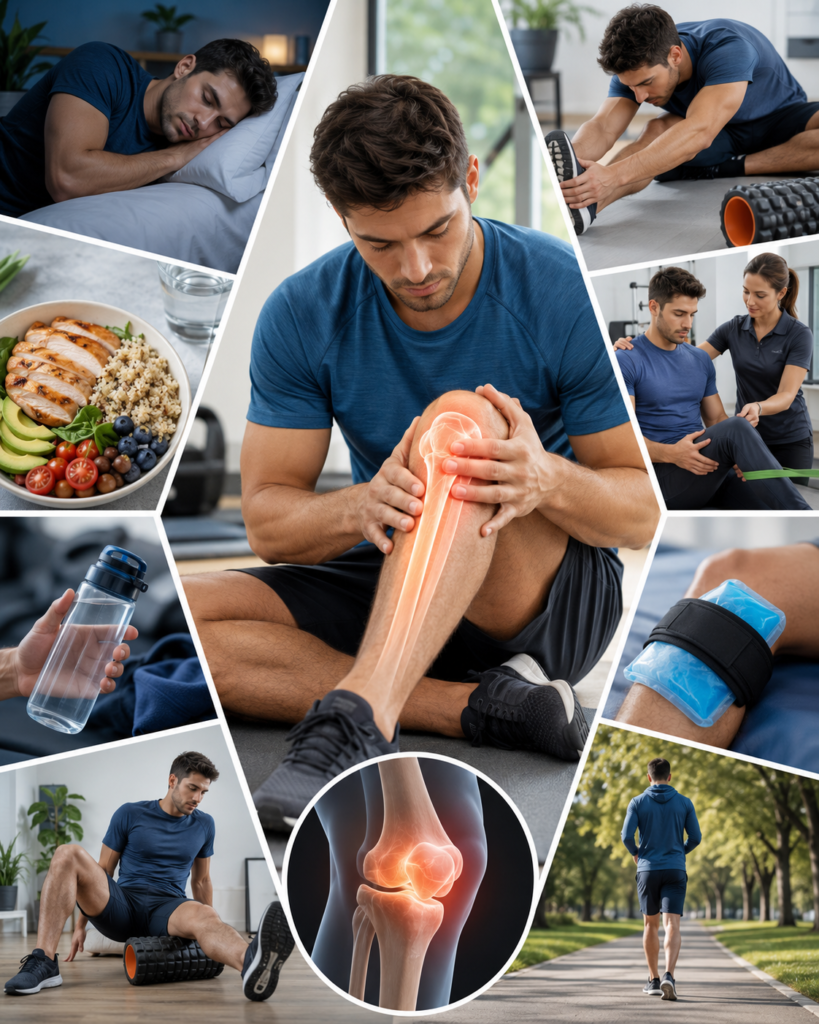
Sports Injury Recovery Tips: A Complete Guide to Faster and Safer Healing
Sports injuries can affect athletes, fitness enthusiasts, and even people who participate in recreational physical activities. Whether it’s a sprained ankle, muscle strain, ligament injury, or joint pain, proper recovery is essential for returning to activity safely. Ignoring an injury or returning to sports too soon can increase the risk of re-injury and long-term complications.
This guide explains common sports injuries, recovery tips, treatment options, and preventive measures to help you recover effectively.
What is a Sports Injury?
A sports injury refers to damage to muscles, ligaments, tendons, bones, or joints that occurs during exercise, sports, or physical activity. Injuries may happen suddenly due to trauma or develop gradually because of repetitive stress and overuse.
Common Types of Sports Injuries
Some of the most common sports injuries include:
- Muscle strains
- Ligament sprains
- Tendon injuries
- Knee injuries
- Shoulder injuries
- Ankle sprains
- Tennis elbow
- Golfer’s elbow
- Shin splints
- Stress fractures
- Rotator cuff injuries
- Achilles tendon injuries
- Hamstring injuries
- Wrist injuries
Common Causes of Sports Injuries
Sports injuries can occur due to several reasons, including:
- Inadequate warm-up before exercise
- Poor exercise technique
- Overtraining
- Sudden increase in workout intensity
- Muscle weakness
- Lack of flexibility
- Improper footwear
- Unsafe playing surfaces
- Direct impact during sports
- Fatigue
- Inadequate recovery between workouts
Symptoms of a Sports Injury
Symptoms depend on the type and severity of the injury.
Common signs include:
- Pain during movement
- Swelling
- Bruising
- Tenderness
- Reduced range of motion
- Joint instability
- Muscle weakness
- Difficulty bearing weight
- Stiffness
- Popping sensation at the time of injury
Immediate First Aid: The RICE Method
For many minor sports injuries, early first aid can reduce pain and swelling.
R – Rest
Avoid activities that worsen the injury and allow the affected area to recover.
I – Ice
Apply an ice pack for 15–20 minutes every few hours during the first 48 hours to reduce pain and swelling.
C – Compression
Use an elastic compression bandage to help control swelling.
E – Elevation
Keep the injured limb elevated above heart level whenever possible.
Sports Injury Recovery Tips
Proper recovery involves more than just resting.
1. Follow Medical Advice
Consult a healthcare professional for an accurate diagnosis and personalized treatment plan.
2. Don’t Return Too Early
Returning to sports before complete recovery increases the risk of another injury.
3. Attend Physiotherapy
A physiotherapist can help restore:
- Strength
- Flexibility
- Balance
- Joint mobility
- Coordination
4. Perform Rehabilitation Exercises
Gradually increase activity under professional supervision.
5. Eat a Healthy Diet
Support healing with foods rich in:
- Protein
- Calcium
- Vitamin D
- Vitamin C
- Zinc
- Omega-3 fatty acids
- Fresh fruits and vegetables
6. Stay Hydrated
Proper hydration supports muscle recovery and overall healing.
7. Get Enough Sleep
Quality sleep helps repair muscles and tissues while supporting the body’s natural healing process.
8. Maintain a Positive Mindset
Recovery takes time. Staying patient and following your rehabilitation plan improves long-term outcomes.
Medical Treatment Options
Depending on the injury, treatment may include:
- Pain-relieving medications
- Anti-inflammatory medicines
- Physiotherapy
- Bracing or splinting
- Joint injections in selected cases
- Platelet-rich plasma (PRP) therapy where appropriate
- Surgical treatment for severe injuries such as ligament tears or fractures
When Should You See a Doctor?
Seek medical attention if:
- Severe pain develops immediately after injury
- You cannot bear weight
- Swelling is significant
- A joint appears deformed
- Pain persists despite rest
- Numbness or weakness occurs
- You hear a popping sound during injury
- Fever or redness develops around the injured area
How to Prevent Sports Injuries
Preventive measures include:
- Warm up before every workout
- Cool down after exercise
- Stretch regularly
- Strengthen supporting muscles
- Increase workout intensity gradually
- Wear appropriate protective equipment
- Use proper sports techniques
- Stay hydrated
- Allow adequate recovery between training sessions
- Replace worn-out sports shoes
Frequently Asked Questions
How long does it take to recover from a sports injury?
Recovery depends on the type and severity of the injury. Minor strains may heal within a few weeks, while ligament injuries or fractures may require several months.
Is complete rest always recommended?
Not always. After the initial healing phase, guided movement and rehabilitation exercises often promote better recovery than prolonged inactivity.
Can physiotherapy speed up recovery?
Yes. Physiotherapy helps improve strength, flexibility, balance, and function while reducing the risk of future injuries.
Should I continue exercising after an injury?
Avoid activities that worsen the injury. A healthcare professional or physiotherapist can recommend safe exercises during recovery.
Can sports injuries be prevented completely?
While not all injuries are preventable, proper training, good technique, regular conditioning, and adequate recovery significantly reduce the risk.
Conclusion
Sports injuries are common, but appropriate treatment and a structured recovery plan can help you return to your activities safely. Early diagnosis, proper rehabilitation, balanced nutrition, and gradual return to exercise are key to preventing complications and achieving full recovery. Listening to your body and seeking professional medical advice when needed can support long-term health and athletic performance.