
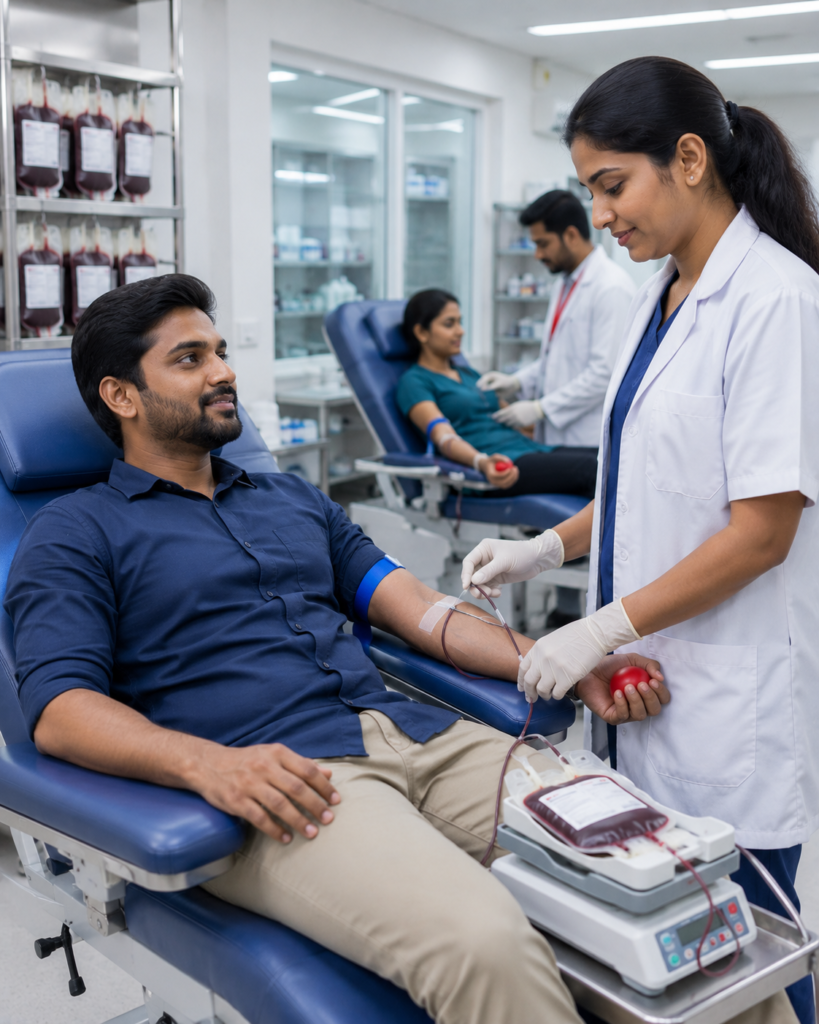
Blood Banks in Madurai – A Complete Guide to Safe Blood Donation and Blood Services
Blood banks play a crucial role in modern healthcare by collecting, testing, processing, storing, and supplying blood and blood components for patients in need. Blood transfusions are essential during emergencies, surgeries, childbirth, cancer treatment, trauma care, and for managing various blood disorders. Safe and timely access to blood can save lives and improve patient outcomes.
If you’re searching for Blood Banks in Madurai, this guide provides information about blood bank services, blood donation, blood components, eligibility criteria, and the importance of voluntary blood donation. This article is intended for informational purposes and does not promote or recommend any specific blood bank.
What is a Blood Bank?
A blood bank is a licensed healthcare facility that collects blood from eligible donors, performs safety testing, separates blood into components, stores it under controlled conditions, and supplies it to hospitals and patients when medically required.
Blood banks follow strict quality and safety standards to ensure that donated blood is safe for transfusion.
Why Are Blood Banks Important?
Blood banks support healthcare by:
- Providing blood during medical emergencies
- Supporting major and minor surgeries
- Assisting patients with severe injuries
- Supplying blood for childbirth complications
- Supporting cancer treatment
- Helping patients with blood disorders
- Maintaining emergency blood reserves
- Ensuring safe blood transfusion practices
Blood Components Available
Instead of using whole blood for every patient, donated blood is usually separated into different components based on medical needs.
Red Blood Cells (RBCs)
Used for patients with:
- Severe blood loss
- Anemia
- Major surgeries
- Trauma
Platelets
Platelets help control bleeding and are commonly used for patients with:
- Dengue-related low platelet counts
- Cancer treatment
- Bone marrow disorders
- Blood diseases
Fresh Frozen Plasma (FFP)
Plasma is used for:
- Liver disease
- Clotting disorders
- Severe bleeding
- Trauma patients
Cryoprecipitate
This blood component is used for certain clotting factor deficiencies and specific bleeding disorders.
Who May Need Blood Transfusions?
Blood transfusions may be required for:
- Accident and trauma victims
- Surgical patients
- Pregnant women with severe bleeding
- Cancer patients
- Individuals with severe anemia
- Patients with thalassemia
- Sickle cell disease
- Hemophilia and other bleeding disorders
- Organ transplant recipients
The decision to perform a blood transfusion is made by a qualified healthcare professional based on the patient’s clinical condition.
Blood Donation Eligibility
General eligibility requirements often include:
- Age between 18 and 65 years (subject to local guidelines)
- Good overall health
- Minimum body weight as specified by donation guidelines
- Normal hemoglobin levels
- No active infections or fever
- Meeting the recommended interval between donations
Eligibility may vary depending on national regulations and individual medical history.
The Blood Donation Process
Blood donation is a simple and carefully monitored procedure that generally includes:
- Donor registration
- Health questionnaire
- Basic physical assessment
- Hemoglobin testing
- Blood donation
- Short observation period
- Light refreshments after donation
The actual blood collection usually takes only a few minutes, while the complete visit may take around 30 to 60 minutes.
Safety Measures Followed by Blood Banks
Licensed blood banks follow strict procedures to ensure safety, including:
- Donor health screening
- Blood group identification
- Testing for infectious diseases
- Sterile, single-use collection equipment
- Proper storage under controlled temperatures
- Blood compatibility testing before transfusion
These measures help reduce the risk of transfusion-related complications.
Benefits of Voluntary Blood Donation
Regular voluntary blood donation benefits the community by:
- Saving lives during emergencies
- Supporting patients undergoing surgery
- Helping children with blood disorders
- Maintaining adequate blood supplies
- Encouraging community participation in healthcare
Many healthy individuals can safely donate blood at recommended intervals after meeting eligibility criteria.
Tips Before Donating Blood
To prepare for blood donation:
- Eat a healthy meal before donating.
- Drink plenty of water.
- Get adequate sleep the night before.
- Avoid alcohol before donation.
- Carry a valid identification document if required.
- Inform the medical staff about any medications or recent illnesses.
Care After Blood Donation
After donating blood:
- Rest for a few minutes.
- Drink extra fluids during the day.
- Avoid heavy lifting for several hours.
- Eat nutritious meals.
- Follow the advice provided by the blood bank staff.
Most donors can resume normal daily activities shortly after donation.
Myths About Blood Donation
Myth: Blood donation is painful.
Only a brief needle prick is usually felt during the donation process.
Myth: Blood donation causes weakness for a long time.
Most healthy donors recover quickly by staying hydrated and eating well.
Myth: Older adults cannot donate blood.
Eligibility depends on health status and applicable guidelines, not age alone.
Myth: Donating blood frequently is harmful.
Healthy individuals may donate at medically recommended intervals after meeting eligibility requirements.
Frequently Asked Questions
How long does blood donation take?
The blood collection itself generally takes around 8–10 minutes, while the complete donation process, including registration and screening, may take 30–60 minutes.
Is blood donation safe?
Yes. Licensed blood banks use sterile, single-use equipment and follow strict safety protocols to protect both donors and recipients.
Can I donate blood if I take regular medications?
It depends on the medication and your overall health. The medical team will assess your eligibility during the screening process.
How often can I donate blood?
The recommended interval between donations varies according to national guidelines and the type of donation. Blood bank staff will advise you accordingly.
Why is voluntary blood donation important?
Voluntary blood donation helps maintain a reliable blood supply for emergencies, surgeries, cancer treatment, and patients with chronic blood disorders.
Conclusion
Blood banks are an essential part of the healthcare system, ensuring the safe collection, testing, storage, and distribution of blood and blood components for patients in need. Voluntary blood donation is a valuable community service that supports emergency care, surgeries, cancer treatment, and the management of various medical conditions. By understanding the donation process and encouraging eligible individuals to donate, communities can help maintain a safe and adequate blood supply while contributing to better healthcare outcomes.