
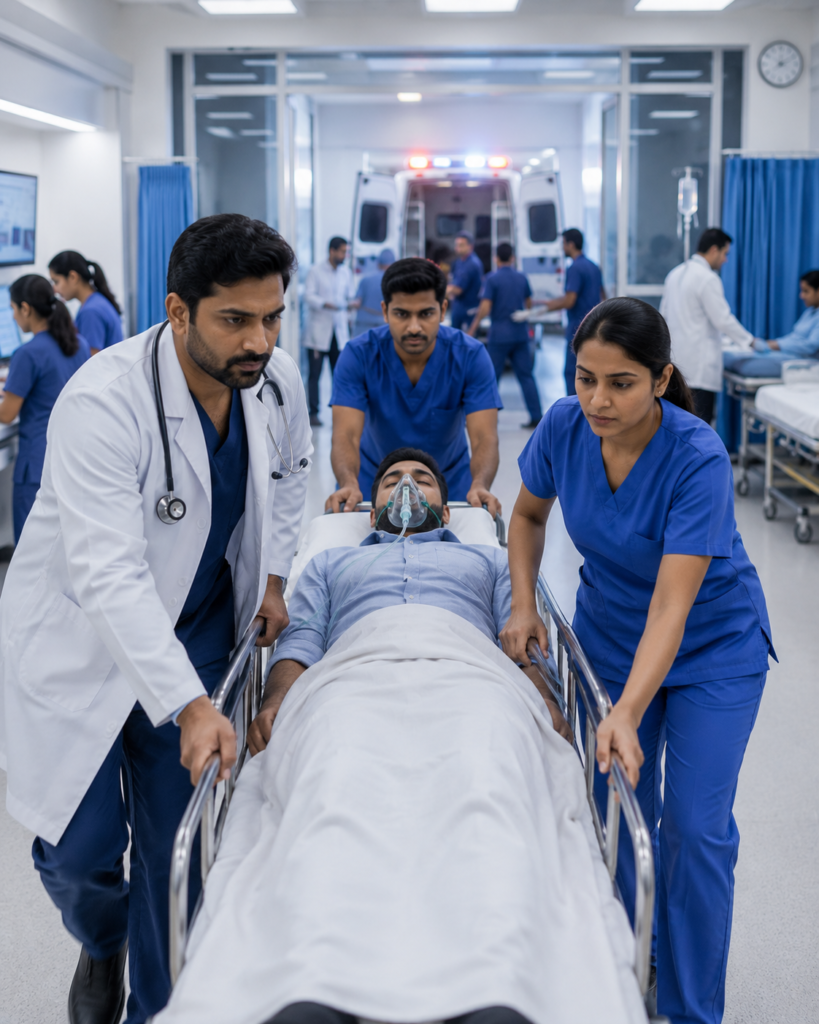
Emergency Hospitals in Madurai – 24/7 Emergency Medical Care and Critical Services
Medical emergencies can happen at any time and require immediate evaluation and treatment. Emergency hospitals are equipped to provide rapid care for life-threatening illnesses, serious injuries, accidents, heart attacks, strokes, severe infections, and other urgent medical conditions. Access to timely emergency care can significantly improve outcomes and reduce the risk of complications.
If you’re searching for emergency hospitals in Madurai, this guide explains the importance of emergency care, the services available, common emergencies treated, and when to seek immediate medical attention.
What is an Emergency Hospital?
An emergency hospital provides round-the-clock medical care for patients with serious illnesses or injuries that require immediate attention. Emergency departments are staffed by trained emergency physicians, nurses, and multidisciplinary teams who assess, stabilize, diagnose, and treat patients based on the severity of their condition. (World Health Organization)
Medical Emergencies Treated
Emergency hospitals manage a wide range of critical conditions, including:
- Heart attack
- Stroke
- Severe chest pain
- Road traffic accidents
- Head injuries
- Fractures and major trauma
- Severe bleeding
- Breathing difficulties
- Asthma attacks
- Seizures
- Poisoning
- Burns
- Allergic reactions (Anaphylaxis)
- Snake bites
- High fever with altered consciousness
- Severe abdominal pain
- Pregnancy-related emergencies
- Pediatric emergencies
Prompt treatment is especially important for conditions such as heart attacks, strokes, severe trauma, and sepsis, where delays can affect recovery and survival. (World Health Organization)
Signs You Should Visit an Emergency Hospital Immediately
Seek emergency medical care if you or someone nearby experiences:
- Sudden severe chest pain
- Difficulty breathing
- Loss of consciousness
- Sudden weakness on one side of the body
- Difficulty speaking
- Severe head injury
- Heavy bleeding
- Serious burns
- Convulsions lasting several minutes
- Severe allergic reaction with swelling or breathing difficulty
- Major fractures
- Persistent severe abdominal pain
- Uncontrolled vomiting with dehydration
These symptoms may indicate life-threatening conditions that require immediate evaluation. (Cleveland Clinic)
Emergency Services Available
Most modern emergency hospitals provide:
24/7 Emergency Department
Emergency physicians and trained nurses are available around the clock to provide immediate assessment and treatment.
Trauma Care
Management of injuries caused by road accidents, falls, workplace incidents, sports injuries, and other forms of trauma.
Cardiac Emergency Care
Emergency evaluation and treatment for:
- Heart attacks
- Chest pain
- Cardiac arrhythmias
- Heart failure
Stroke Care
Rapid diagnosis and treatment for suspected strokes to reduce the risk of permanent brain damage.
Pediatric Emergency Services
Emergency care for infants, children, and adolescents with acute illnesses or injuries.
Obstetric and Gynecological Emergencies
Immediate care for pregnancy complications, labor-related emergencies, and severe gynecological conditions.
Critical Care
Patients requiring continuous monitoring and advanced life support may be transferred to an Intensive Care Unit (ICU) after stabilization. (World Health Organization)
Diagnostic Facilities in Emergency Care
Emergency departments often have rapid access to diagnostic services, including:
- Digital X-rays
- CT Scan
- MRI (when indicated)
- Ultrasound
- ECG
- Echocardiography
- Blood investigations
- Arterial blood gas analysis
- Cardiac enzyme testing
These investigations help clinicians identify the cause of the emergency and begin appropriate treatment without unnecessary delay.
Emergency Procedures Performed
Depending on the patient’s condition, emergency teams may perform:
- Cardiopulmonary Resuscitation (CPR)
- Airway management
- Oxygen therapy
- Intravenous (IV) fluid administration
- Blood transfusion
- Fracture stabilization
- Wound care and suturing
- Emergency medications
- Defibrillation for certain cardiac emergencies
- Trauma stabilization
Emergency care follows established protocols to quickly assess and stabilize critically ill or injured patients. (World Health Organization)
What Happens in an Emergency Department?
Most emergency departments follow a structured process:
- Triage – Patients are assessed based on the severity of their condition.
- Initial Stabilization – Immediate treatment is provided for life-threatening problems.
- Diagnostic Evaluation – Imaging and laboratory tests are performed if needed.
- Definitive Treatment – Appropriate medical or surgical management begins.
- Admission or Discharge – Depending on the condition, patients may be admitted, transferred to specialized care, or discharged with follow-up instructions. (World Health Organization)
Preparing for an Emergency
Although emergencies are unexpected, it helps to:
- Keep emergency contact numbers accessible.
- Carry a list of current medications.
- Know your allergies.
- Keep previous medical records available if possible.
- Learn basic first aid and CPR.
- Seek medical help promptly rather than waiting for symptoms to worsen.
Tips to Reduce the Risk of Medical Emergencies
While not all emergencies can be prevented, you can reduce risk by:
- Managing chronic conditions such as diabetes and hypertension.
- Wearing helmets and seat belts.
- Following workplace safety precautions.
- Exercising regularly.
- Eating a balanced diet.
- Avoiding tobacco use.
- Limiting alcohol consumption.
- Keeping vaccinations up to date.
- Attending routine health checkups.
Frequently Asked Questions
What is the difference between an emergency and an urgent medical condition?
An emergency is a life-threatening condition that requires immediate medical treatment, while an urgent condition needs prompt care but is not usually immediately life-threatening. (Cleveland Clinic)
Do emergency hospitals operate 24 hours?
Yes. Emergency departments are designed to provide medical care 24 hours a day, seven days a week.
Should I visit an emergency hospital for severe chest pain?
Yes. Sudden or severe chest pain should be evaluated immediately because it may indicate a heart attack or another serious cardiac condition.
What is triage?
Triage is the process of assessing patients based on the severity of their illness or injury so that those with life-threatening conditions receive immediate treatment.
Can emergency hospitals treat children?
Yes. Most emergency departments provide care for both adults and children, and many hospitals have dedicated pediatric emergency services.
Conclusion
Emergency hospitals play a vital role in providing immediate, life-saving medical care for serious illnesses and injuries. From trauma and cardiac emergencies to stroke management and critical care, emergency departments are equipped with trained healthcare professionals and advanced diagnostic facilities to deliver rapid treatment when every minute counts. Recognizing the warning signs of a medical emergency and seeking timely medical attention can significantly improve recovery and reduce the risk of complications.