
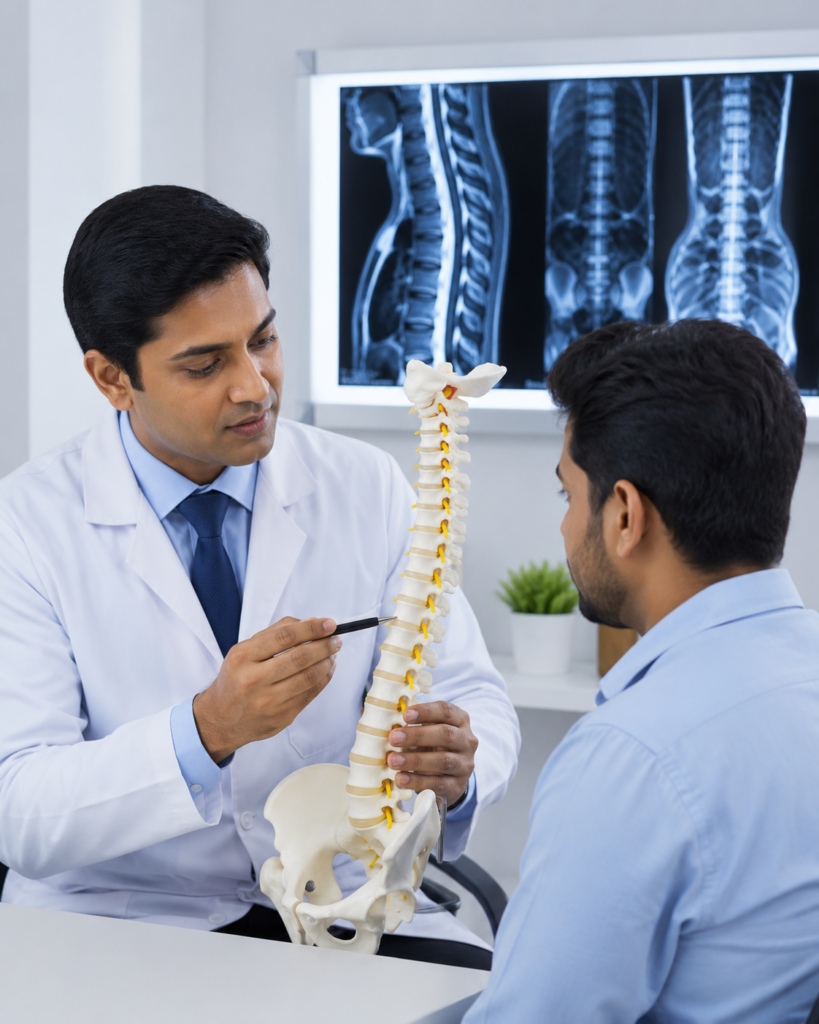
Best Spine Surgeons in Madurai – Advanced Care for Spine and Back Disorders
Back and neck pain are among the most common health concerns affecting people of all ages. While many spinal conditions improve with medication, physiotherapy, and lifestyle changes, some cases require specialized surgical treatment. Choosing an experienced spine surgeon is essential for accurate diagnosis, personalized treatment, and successful recovery.
If you’re looking for the best spine surgeons in Madurai, this guide explains common spine conditions, available treatments, surgical options, and how expert care can help restore mobility and improve quality of life.
Who is a Spine Surgeon?
A spine surgeon is an orthopedic spine specialist or neurosurgeon trained to diagnose and treat disorders affecting the spine, spinal cord, discs, and nerves. They manage both non-surgical and surgical treatments based on the patient’s condition.
Common Spine Conditions Treated
Spine specialists diagnose and treat a wide range of disorders, including:
- Herniated (slipped) disc
- Degenerative disc disease
- Sciatica
- Cervical spondylosis
- Lumbar spondylosis
- Spinal stenosis
- Scoliosis
- Kyphosis
- Spondylolisthesis
- Spinal fractures
- Spine infections
- Spinal tumors
- Chronic neck pain
- Chronic lower back pain
- Nerve compression disorders
Many spinal conditions are initially managed without surgery, but surgery may be recommended if symptoms persist or neurological problems develop. (MedlinePlus)
Symptoms That Require Evaluation
Consult a spine specialist if you experience:
- Persistent back pain
- Neck pain lasting several weeks
- Pain radiating to the arms or legs
- Tingling or numbness
- Muscle weakness
- Difficulty walking
- Loss of balance
- Severe sciatica
- Difficulty standing for long periods
- Bowel or bladder control problems (requires immediate medical attention)
Diagnostic Services
Spine specialists may recommend:
- Physical examination
- Digital X-rays
- MRI Scan
- CT Scan
- Nerve Conduction Studies
- Electromyography (EMG)
- Bone density testing
- Blood investigations (when infection or inflammation is suspected)
Accurate diagnosis helps determine whether conservative treatment or surgery is the most appropriate option.
Non-Surgical Treatment Options
Many spine conditions improve without surgery through:
- Pain management medications
- Physiotherapy
- Posture correction
- Lifestyle modification
- Weight management
- Activity modification
- Epidural steroid injections
- Nerve block injections
- Rehabilitation exercises
Most patients benefit from conservative treatment before surgery is considered. (MedlinePlus)
Spine Surgeries Performed
When surgery becomes necessary, experienced spine surgeons perform procedures such as:
Microdiscectomy
Removes part of a herniated disc that is compressing a spinal nerve.
Laminectomy
Removes a portion of bone to relieve pressure on the spinal cord or nerves, commonly used for spinal stenosis.
Spinal Fusion
Stabilizes the spine by joining two or more vertebrae to treat instability, deformity, or certain degenerative conditions.
Artificial Disc Replacement
Replaces a damaged spinal disc while preserving motion in selected patients.
Minimally Invasive Spine Surgery (MISS)
Uses smaller incisions with less tissue disruption, often resulting in reduced pain and quicker recovery for suitable cases.
Spine Trauma Surgery
Treats fractures and spinal instability caused by accidents or injuries.
The choice of procedure depends on the diagnosis, spinal level involved, and the patient’s overall health. (Medical News Today)
Benefits of Minimally Invasive Spine Surgery
Modern minimally invasive techniques may offer:
- Smaller incisions
- Less blood loss
- Reduced postoperative pain
- Lower infection risk
- Shorter hospital stay
- Faster recovery
- Earlier return to daily activities
Not every spinal condition is suitable for minimally invasive surgery, and your surgeon will recommend the most appropriate approach. (AANS)
When is Spine Surgery Recommended?
Surgery may be advised when:
- Severe pain persists despite conservative treatment
- Progressive weakness develops
- Significant nerve compression is present
- Walking becomes increasingly difficult
- Spinal instability is diagnosed
- Fractures require stabilization
- Spinal tumors need surgical removal
- Emergency neurological symptoms such as bowel or bladder dysfunction occur
The decision is based on symptoms, imaging findings, neurological examination, and overall health. (MedlinePlus)
Recovery After Spine Surgery
Recovery varies depending on the procedure performed.
Patients are generally advised to:
- Follow rehabilitation exercises
- Attend physiotherapy sessions
- Avoid heavy lifting during healing
- Maintain proper posture
- Keep follow-up appointments
- Gradually return to normal activities as recommended
Recovery timelines differ between minimally invasive and traditional open spine surgery.
Tips for Maintaining a Healthy Spine
You can reduce the risk of spine problems by:
- Maintaining good posture
- Exercising regularly
- Strengthening core muscles
- Maintaining a healthy body weight
- Using proper lifting techniques
- Avoiding prolonged sitting
- Sleeping on a supportive mattress
- Quitting smoking
- Staying physically active
Frequently Asked Questions
Which doctor performs spine surgery?
Spine surgery is performed by specially trained orthopedic spine surgeons or neurosurgeons with expertise in spinal disorders.
Is spine surgery always necessary?
No. Many spinal conditions improve with medication, physiotherapy, exercise, and lifestyle changes. Surgery is considered when conservative treatment is ineffective or neurological symptoms worsen.
How long does recovery take?
Recovery depends on the type of surgery, the patient’s overall health, and adherence to rehabilitation. Minimally invasive procedures often allow for faster recovery than traditional open surgery.
Is minimally invasive spine surgery suitable for everyone?
Not always. The suitability of minimally invasive techniques depends on the specific spinal condition, its severity, and the surgeon’s assessment.
Can spine problems be prevented?
While not all conditions are preventable, maintaining good posture, staying active, managing weight, and practicing proper body mechanics can help reduce the risk of many spinal disorders.
Conclusion
Spinal disorders can significantly affect daily life, but timely diagnosis and expert treatment can help relieve pain, improve mobility, and restore function. Whether treatment involves physiotherapy, medication, minimally invasive procedures, or advanced spine surgery, consulting an experienced spine specialist ensures a personalized care plan tailored to your condition. Early evaluation and appropriate management can lead to better outcomes and an improved quality of life.