
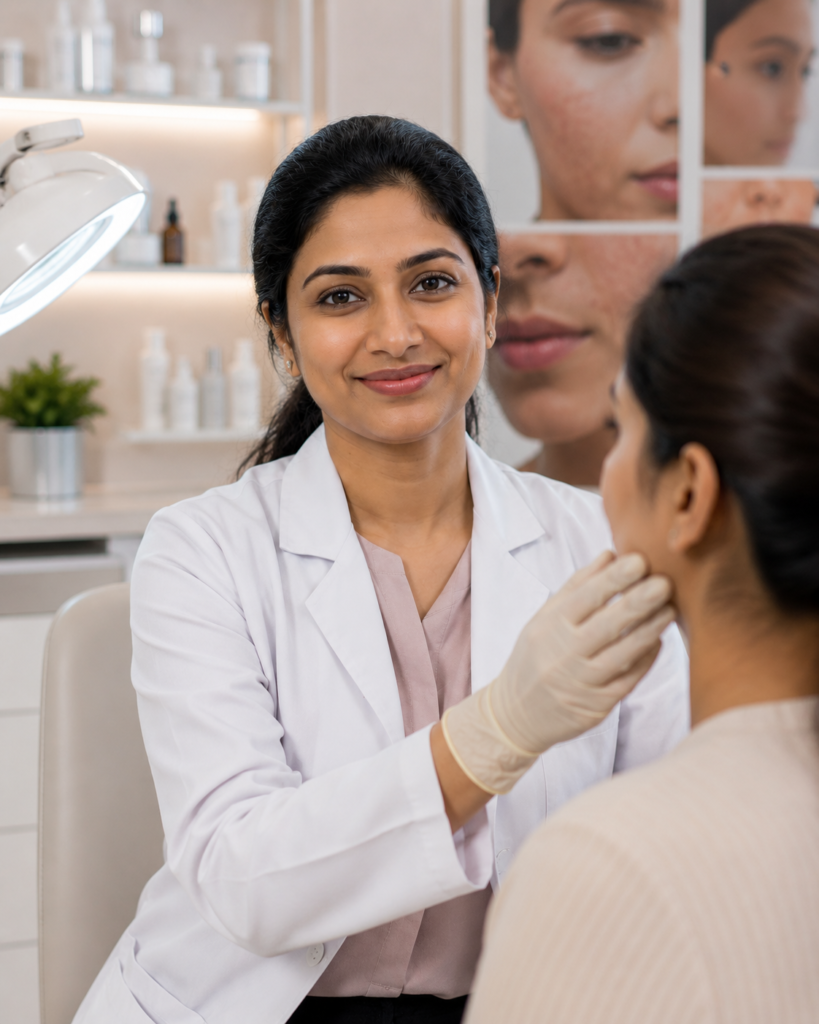
Best Dermatologists in Madurai – Complete Guide to Skin, Hair & Nail Care
Healthy skin is an important part of overall well-being. Whether you’re dealing with acne, eczema, hair loss, pigmentation, or chronic skin conditions, consulting an experienced dermatologist can help with accurate diagnosis and effective treatment.
If you’re searching for the best dermatologists in Madurai, this comprehensive guide from MaduraiDoctors explains the role of dermatologists, the conditions they treat, available services, and tips for choosing the right skin specialist.
Who is a Dermatologist?
A dermatologist is a medical doctor who specializes in diagnosing, treating, and preventing diseases affecting the skin, hair, nails, and mucous membranes. Dermatologists manage both medical and cosmetic skin concerns and can also identify skin changes that may indicate underlying health conditions. (Cleveland Clinic)
Common Skin Conditions Treated by Dermatologists
Dermatologists diagnose and treat a wide variety of conditions, including:
- Acne and acne scars
- Eczema (Atopic Dermatitis)
- Psoriasis
- Fungal skin infections
- Bacterial and viral skin infections
- Skin allergies
- Rosacea
- Vitiligo
- Pigmentation disorders
- Hair loss (Alopecia)
- Dandruff and scalp disorders
- Nail infections
- Warts
- Skin cysts
- Skin cancer screening
When Should You Visit a Dermatologist?
You should consider consulting a dermatologist if you experience:
- Persistent acne
- Itchy or painful skin rashes
- Sudden hair loss
- Changes in moles or skin spots
- Persistent pigmentation
- Dry, flaky, or irritated skin
- Chronic dandruff
- Nail discoloration or thickening
- Non-healing wounds
- Recurrent skin infections
Early diagnosis often leads to better treatment outcomes.
Services Offered by Dermatologists in Madurai
Many dermatology clinics and hospitals in Madurai provide comprehensive skin, hair, and nail care services.
Acne Treatment
Dermatologists evaluate the severity of acne and recommend personalized treatment plans that may include topical medications, oral medicines, chemical peels, or advanced procedures.
Hair Loss Treatment
Hair fall may occur due to hormonal changes, nutritional deficiencies, genetics, stress, or medical conditions. Dermatologists identify the underlying cause and recommend appropriate treatment.
Pigmentation Management
Treatment options are available for:
- Melasma
- Sunspots
- Post-inflammatory pigmentation
- Uneven skin tone
Allergy and Skin Rash Treatment
Specialists diagnose allergic skin reactions and inflammatory conditions such as eczema, urticaria, and contact dermatitis.
Psoriasis and Eczema Care
Long-term management plans help reduce flare-ups, control symptoms, and improve quality of life for patients with chronic skin diseases.
Skin Infection Treatment
Dermatologists diagnose fungal, bacterial, viral, and parasitic infections and prescribe suitable medications based on the cause.
Nail Disorder Management
Common nail problems such as fungal infections, brittle nails, discoloration, and nail deformities can be evaluated and treated.
Cosmetic Dermatology
Many dermatologists also provide cosmetic procedures such as:
- Chemical peels
- Laser treatments
- Scar reduction
- Mole removal
- Skin rejuvenation
- Anti-aging procedures
Treatment recommendations are based on individual skin type and clinical evaluation. (Cleveland Clinic)
Importance of Regular Skin Check-ups
Routine skin examinations help detect problems early, especially for people with:
- Chronic skin diseases
- Family history of skin cancer
- Multiple moles
- Long-term sun exposure
- Recurrent skin infections
Regular consultations also support better management of ongoing skin conditions. (Healthline)
How to Choose the Right Dermatologist
Before selecting a dermatologist, consider:
Qualifications
Choose a qualified dermatologist with recognized medical training and expertise in dermatology.
Clinical Experience
Experience in treating a wide range of skin, hair, and nail disorders is beneficial.
Diagnostic Facilities
Hospitals and clinics with laboratory services, skin biopsy facilities, and advanced diagnostic equipment can support comprehensive care.
Communication
A good dermatologist explains diagnoses, treatment options, expected outcomes, and skincare recommendations in a clear and understandable manner.
Follow-up Care
Many skin conditions require regular monitoring, making continuity of care an important factor.
Tips for Maintaining Healthy Skin
To promote healthy skin:
- Cleanse your skin gently every day.
- Use sunscreen with adequate SPF when outdoors.
- Stay well hydrated.
- Eat a balanced diet rich in fruits and vegetables.
- Avoid excessive sun exposure.
- Do not scratch persistent rashes.
- Use skincare products suitable for your skin type.
- Seek medical advice instead of self-medicating persistent skin problems.
Dermatology Care in Madurai
Madurai offers access to dermatology departments in multispecialty hospitals as well as dedicated skin clinics. These facilities commonly provide diagnosis and treatment for medical dermatology, pediatric skin disorders, cosmetic dermatology, hair disorders, nail diseases, allergy management, and minor dermatological procedures using modern diagnostic techniques.
Frequently Asked Questions
Can a dermatologist treat hair loss?
Yes. Dermatologists diagnose the cause of hair loss and recommend treatments based on the underlying condition.
Is acne permanently curable?
Most acne can be effectively managed with proper treatment, although long-term skincare and follow-up may be needed to prevent recurrence.
When should I get a mole examined?
Consult a dermatologist if a mole changes in size, color, shape, becomes painful, bleeds, or develops irregular borders.
Do dermatologists treat nail problems?
Yes. Dermatologists diagnose and manage fungal infections, nail deformities, discoloration, and other nail-related conditions.
Conclusion
Healthy skin reflects overall health, and timely consultation with a dermatologist can help prevent complications, improve skin conditions, and enhance quality of life. Whether you need treatment for acne, allergies, hair loss, pigmentation, or chronic skin disorders, seeking professional medical advice is the first step toward effective care.